

There's a moment most people in their 30s share. You catch your reflection in good lighting — or bad lighting, depending on how you look at it — and something has quietly shifted. The fine lines around your eyes weren't there two years ago. Your skin doesn't quite bounce back the way it used to after a rough week of sleep. Your forehead has started telling stories you didn't give it permission to tell.
This isn't cause for alarm. It's actually cause for action — and your 30s are genuinely the best time to take it.
Here's why that matters: the treatments that work best aren't the ones that reverse years of damage. They're the ones that keep that damage from accumulating in the first place. Starting in your 30s means you're working with your skin, not against it — building a foundation that makes your 40s, 50s, and beyond look and feel like a natural extension of who you are, not a sudden scramble to turn back the clock.
At Physician Artistry in Sterling, VA, Dr. Thomas has spent over 30 years helping patients navigate exactly this moment. What follows is the honest, medically grounded guide to the treatments worth starting in your 30s — and why timing matters more than most people realize.
Why Your 30s Are a Turning Point for Skin
Your skin's collagen production starts declining in your mid-to-late 20s — roughly 1% per year. By the time you're in your 30s, that loss is subtle but real. Cell turnover slows down. Sun damage from your 20s starts surfacing as uneven tone and texture. Dynamic lines — the ones created by repeated facial movement — begin transitioning into static lines that stick around even when your face is at rest. None of this is dramatic yet. And that's exactly the point. In your 30s, you still have the luxury of prevention. You're not starting from scratch — you're getting ahead.Preventative Botox: The Treatment Worth Starting Earlier Than You Think
If you've wondered whether Botox actually prevents wrinkles when you start before they fully form, the answer is yes — with nuance. Botox works by relaxing the specific muscles responsible for repetitive facial expressions: the squinting that creates crow's feet, the furrowing that deepens the "11s" between your brows, the forehead movements that etch horizontal lines over time. When those muscles are gently and consistently relaxed before deep creases set in, the skin over them never gets the chance to fold and crease repeatedly. The result isn't a frozen face — it's a face that simply ages more slowly and more gracefully. In your 30s, the doses used for preventative treatment are typically smaller than what's needed for correction later. That means more natural-looking results, lower cost per session, and a longer runway before more intensive intervention would ever be needed. The key — and this cannot be overstated — is that the outcome depends entirely on who is injecting you. Botox is not a commodity. The difference between results that look refreshed and natural versus results that look overdone or flat is the physician's understanding of facial anatomy, muscle behavior, and your individual structure. Dr. Thomas personally oversees every treatment plan at Physician Artistry, which is why patients consistently describe results that "enhanced my features without ever looking overdone." If you're curious about how different neuromodulators compare, our guide on Botox vs. Dysport breaks down what's actually different between them — and which might suit your goals better.Secret RF Microneedling: Collagen Banking Starts Now
You can't stop collagen loss — but you can stimulate your body to produce more of it. That's the core logic behind Secret RF Microneedling, and it's one of the most valuable investments you can make in your 30s. Secret RF combines the controlled micro-injuries of traditional microneedling with radiofrequency energy delivered directly into the deeper layers of the skin. This dual stimulation triggers a robust collagen and elastin response — the kind that improves skin texture, tightens pores, smooths early fine lines, and builds structural integrity that holds up over time. In your 30s, your skin's healing response is still strong. That means better results per session, less downtime than you'd see in later decades, and the compounding benefit of building a collagen reserve now that will serve you for years. Think of it as depositing into a skin bank while the interest rates are favorable. Patients who have tried Secret RF consistently describe skin that looks "noticeably tightened and smoothed" — and the results continue improving for several months after each session as new collagen matures. For a deeper look at how RF microneedling compares to standard microneedling, this guide explains the key differences.Dermal Fillers: Maintenance, Not Restoration
Here's the thing about dermal fillers that most people don't understand until they've waited too long: it's far easier — and more natural-looking — to maintain volume than to replace it. In your 30s, you're likely not dealing with significant volume loss yet. But early signs are often already present: a slight hollowing under the eyes, early softening of the cheek structure, or the beginning of shadow in areas that used to look full and lifted. Addressing these changes with small, strategic amounts of filler at this stage requires far less product and produces results that look completely like you — just a well-rested, healthy version of you. Waiting until volume loss is significant often means needing more product, more sessions, and managing a more dramatic change at once. The patients who achieve the most natural, lasting results are almost always the ones who started conservative and stayed consistent. Our dermal fillers page walks through what to expect, and if you've been curious about what a more comprehensive approach might look like, our guide on what a liquid facelift actually involves is worth a read.HydraFacial: The Foundation That Makes Everything Else Work Better
No injectable or energy-based treatment performs at its best on compromised skin. A HydraFacial is, in the simplest terms, the cleanest and most thorough reset your skin can get — and in your 30s, making it a consistent part of your routine pays dividends. HydraFacial uses a three-step vortex system to deeply cleanse, exfoliate, and infuse the skin with targeted serums — addressing everything from congestion and dullness to early hyperpigmentation and dehydration. Unlike harsher resurfacing treatments, there's no downtime, no redness, and no reason to wait for a special occasion. It's the kind of treatment you can get on a Tuesday and look better by Wednesday. As a regular monthly or quarterly treatment, HydraFacial keeps your skin canvas in optimal condition — so when you do invest in Botox, fillers, or RF microneedling, those treatments work better and last longer. For patients who want a deeper dive, our post on building a HydraFacial series for dull, aging skin explains how to sequence treatments for maximum impact.Chemical Peels: Your Answer to Early Sun Damage
The sun damage you accumulated in your 20s doesn't always show up immediately. In your 30s, it starts emerging as uneven skin tone, early brown spots, and a subtle dullness that skincare products alone can't fully address. A well-matched chemical peel is one of the most effective ways to interrupt that process and reset your skin's tone and texture. Chemical peels work by removing the outermost layers of damaged skin, prompting the body to replace them with newer, healthier cells. Depending on depth and formulation, peels can address surface texture, pigmentation, fine lines, and overall luminosity. The result isn't dramatic resurfacing — in your 30s, it doesn't need to be. A series of lighter peels, done consistently, produces the kind of gradual but cumulative improvement that keeps your skin looking clear and even-toned without requiring recovery time. If you're weighing peels against microneedling for texture and tone concerns, our comparison of microneedling versus chemical peels is a helpful place to start.SkinVive by Juvederm: The Skin Quality Treatment Your 30s Need
Not everything that makes skin look younger is about volume or wrinkle reduction. Skin quality — the way light reflects off your skin, how hydrated and smooth it looks at rest — matters just as much, and it's something that SkinVive by Juvederm addresses in a way that nothing else quite replicates. SkinVive is an intradermal injection of hyaluronic acid micro-droplets placed just beneath the skin's surface — not to add volume, but to deeply hydrate and improve skin texture from within. The result is skin that looks naturally dewy, smooth, and healthy — the kind of glow that reads as well-rested and vital rather than "done." In your 30s, SkinVive functions as a proactive investment in skin quality before significant degradation occurs. Patients who've experienced it often describe the results as subtle but unmistakable — the kind of improvement where people notice something looks different without being able to identify exactly what changed.The Bigger Picture: Building a Plan That Makes Sense for You
The question isn't really "which treatment should I start in my 30s?" The better question is: what does a thoughtful, personalized plan look like for your specific skin, your goals, and your life? At Physician Artistry, that's exactly how Dr. Thomas approaches it. There's no one-size-fits-all protocol here — every treatment plan is built around a real conversation, a comprehensive evaluation, and a genuine understanding of what you want to achieve and what timeline makes sense. That's what patients mean when they describe a "comprehensive and thoughtful approach" — it's not a menu you order from. It's a plan built for you. If you're ready to think about how to structure your own approach, our guide to building a personalized med spa treatment plan is a good place to start. And if you want to understand how skincare and injectables work together — and whether the order you do things actually matters — this post answers that question directly. Your 30s aren't a deadline. They're an opportunity. The patients who feel best about how they age aren't the ones who waited until something felt urgent — they're the ones who made thoughtful, well-guided choices while they still had the luxury of going slow. When you're ready to have that conversation, Dr. Thomas and the team at Physician Artistry in Sterling, VA are here — not as a corporate clinic running you through a checklist, but as the kind of practice that genuinely invests in your long-term health and confidence.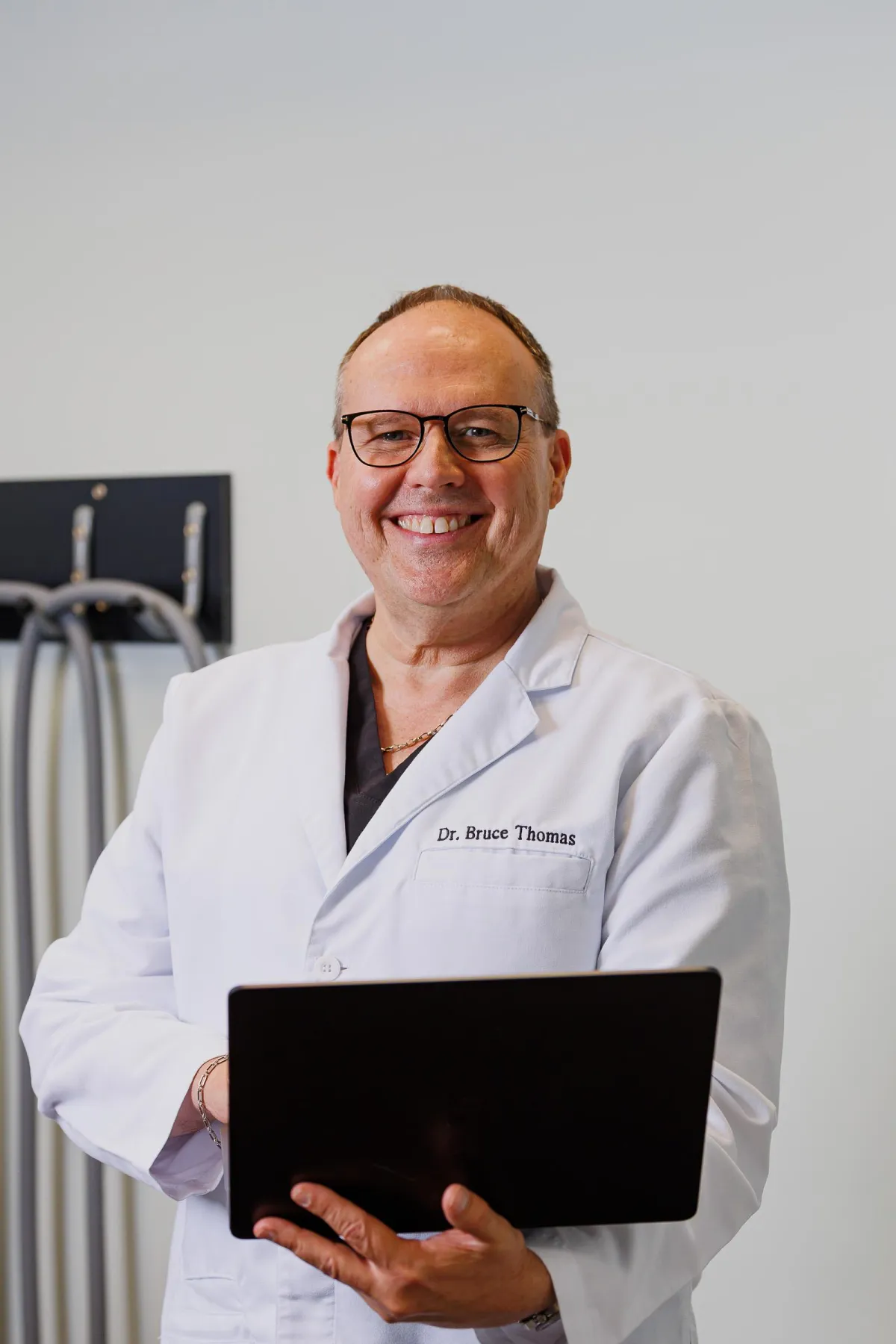
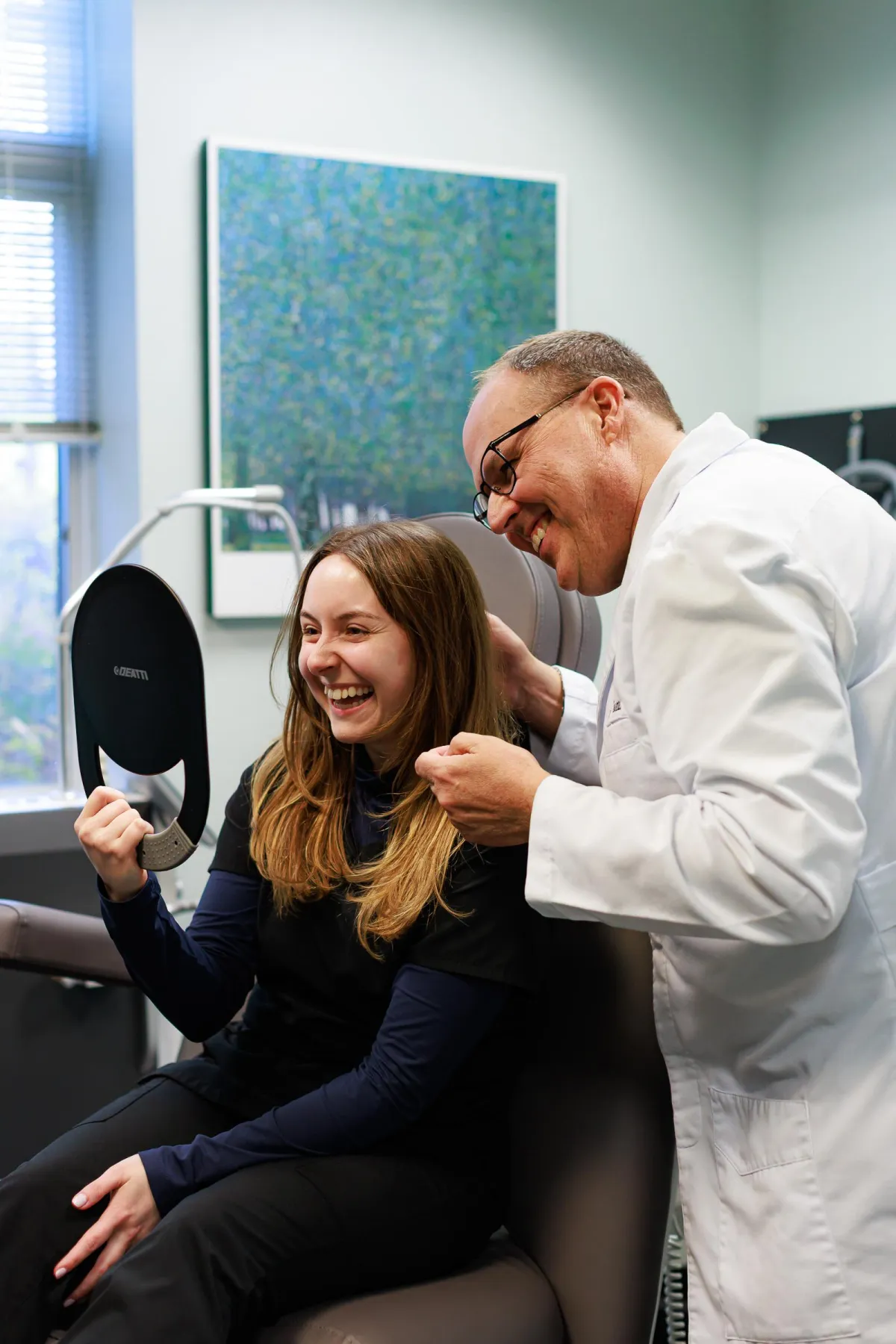
Start your transformation today!
Schedule your complimentary consultation with our friendly and knowledgeable team.