
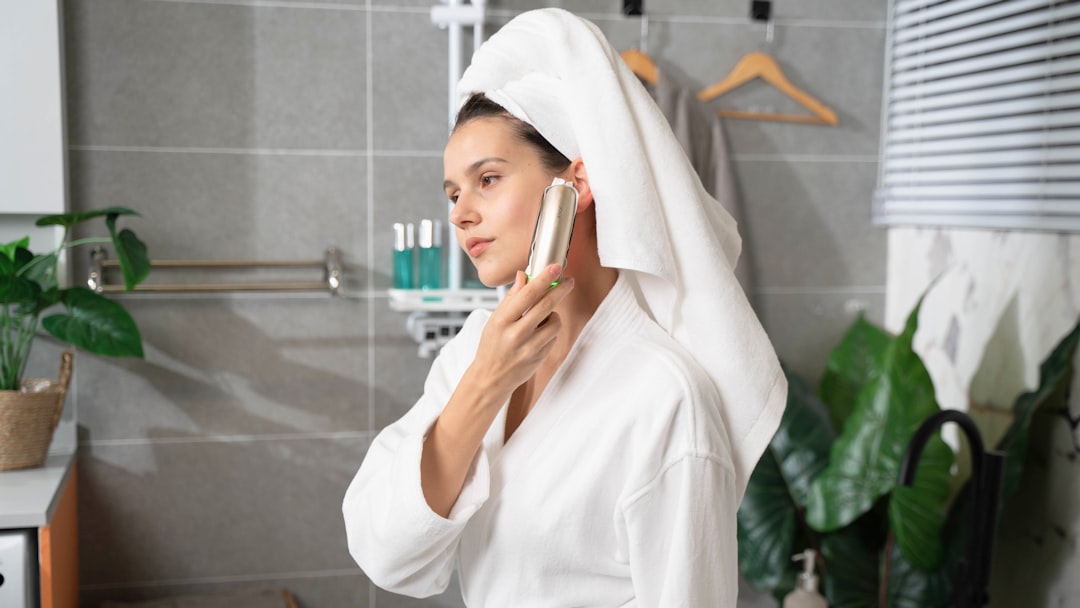
If you've spent any time on social media lately, you've probably noticed it: people in their mid-twenties talking openly about their Botox appointments, using words like "baby Botox" and "prejuvenation" with the same casual confidence previous generations reserved for sunscreen recommendations. What was once a quietly kept secret among women in their forties has become a normalized topic among a generation that grew up watching every expression on a high-resolution camera.
So the question a lot of people are asking — whether they're 24 or 44 — is simple: Should I be doing this earlier than I am?
The honest answer isn't a blanket yes or no. It's more nuanced than that, and it's exactly the kind of conversation worth having with a physician who actually looks at your face, not just your birthdate.
Why Younger Patients Are Starting Sooner
The trend isn't random. There's a real clinical logic behind early Botox, and understanding it helps you make a more informed decision for yourself.
Botox works by temporarily relaxing the muscles that create dynamic wrinkles — the lines that appear when you squint, furrow your brow, or smile. When those muscles move repeatedly over years and decades, the skin above them eventually starts to crease even at rest. That's when a dynamic wrinkle becomes a static wrinkle — one that lives in your face whether you're making an expression or not.
The premise behind starting earlier is straightforward: if you soften that repeated muscle movement before the skin has a chance to crease permanently, you may reduce how deep those lines become over time. You're not reversing damage — you're getting ahead of it.
This is sometimes called preventative Botox, and it's a legitimate approach when it's used thoughtfully. The key word is thoughtfully.
What "Earlier" Actually Means — and What It Doesn't
Starting Botox in your mid-to-late twenties doesn't mean walking in for a full treatment just because you've seen someone else do it. It means working with a provider who assesses whether your muscle activity is strong enough, and whether the patterns you're seeing actually warrant intervention right now.
Some people in their late twenties have expressive faces with significant muscle movement and early furrowing between the brows. For them, a conservative treatment may genuinely help. Others the same age have minimal dynamic lines that don't need anything yet. Age is one data point — not the deciding factor.
What's worth avoiding is the idea that earlier is always better, or that more is always more protective. Over-treating a face in its twenties can flatten natural expressions and create an appearance that looks managed rather than fresh. The goal of good Botox, at any age, is for people to think you look well-rested — not to be able to tell you've had something done.
You can read more about what that looks like in practice in our guide on how to get natural-looking results with Botox.
The Areas Most Worth Addressing Early
When younger patients do come in for Botox, the conversation tends to focus on a few specific areas:
The "11 lines" between the brows. For people with strong corrugator muscles — the ones that create that vertical furrowing when you concentrate or feel stressed — early, light treatment can slow the progression of what eventually becomes one of the most difficult areas to fully smooth. We cover this in depth in our guide on treating forehead lines and frown lines with Botox.
Forehead lines. Horizontal forehead lines in younger patients are often driven by overactive frontalis muscle activity. This area requires careful dosing — too much and the brow drops, which nobody wants. The right approach here is always conservative and always personalized.
Crow's feet. The skin around the eyes is thinner than almost anywhere else on the face, and repeated squinting can leave its mark early. Light treatment here can preserve smoothness around the eyes without affecting natural expression. Our guide on treating crow's feet walks through what to expect.
Masseter (jaw) Botox. This one surprises some patients — it's not about wrinkles at all. Younger patients who clench or grind their teeth, or who want a slightly more refined jawline, may benefit from masseter Botox. It's one of the more versatile uses of the treatment for this age group.
What the Research Actually Suggests
There is emerging evidence that early, consistent Botox use can reduce the depth of static wrinkles over time compared to people who begin treatment later. This makes biological sense: you're reducing the mechanical stress on the skin over a longer period.
That said, the research is still developing, and it's important not to overstate what we know. What's well established is that Botox is safe, effective, and reversible — meaning there's no significant downside to a thoughtful, medically supervised approach in a younger patient who has genuine muscle activity worth addressing.
What's less well supported is the idea that everyone needs to start at 25. That framing treats Botox as a prevention checklist rather than a personalized medical decision — and that's where things can go sideways.
The Difference Between Informed and Influenced
Here's something worth saying plainly: social media has made Botox more normalized, and there's genuinely good in that. Removing stigma around aesthetic care helps people make decisions without shame. But social media has also created a new kind of pressure — the feeling that you're already behind if you haven't started yet, or that your face should look a certain way by a certain age.
That pressure isn't a good reason to start. Curiosity, early lines you genuinely notice, or wanting to stay ahead of a family pattern you've observed — those are good reasons to have a conversation with a physician. There's a meaningful difference between coming in because you want to and coming in because you feel like you should.
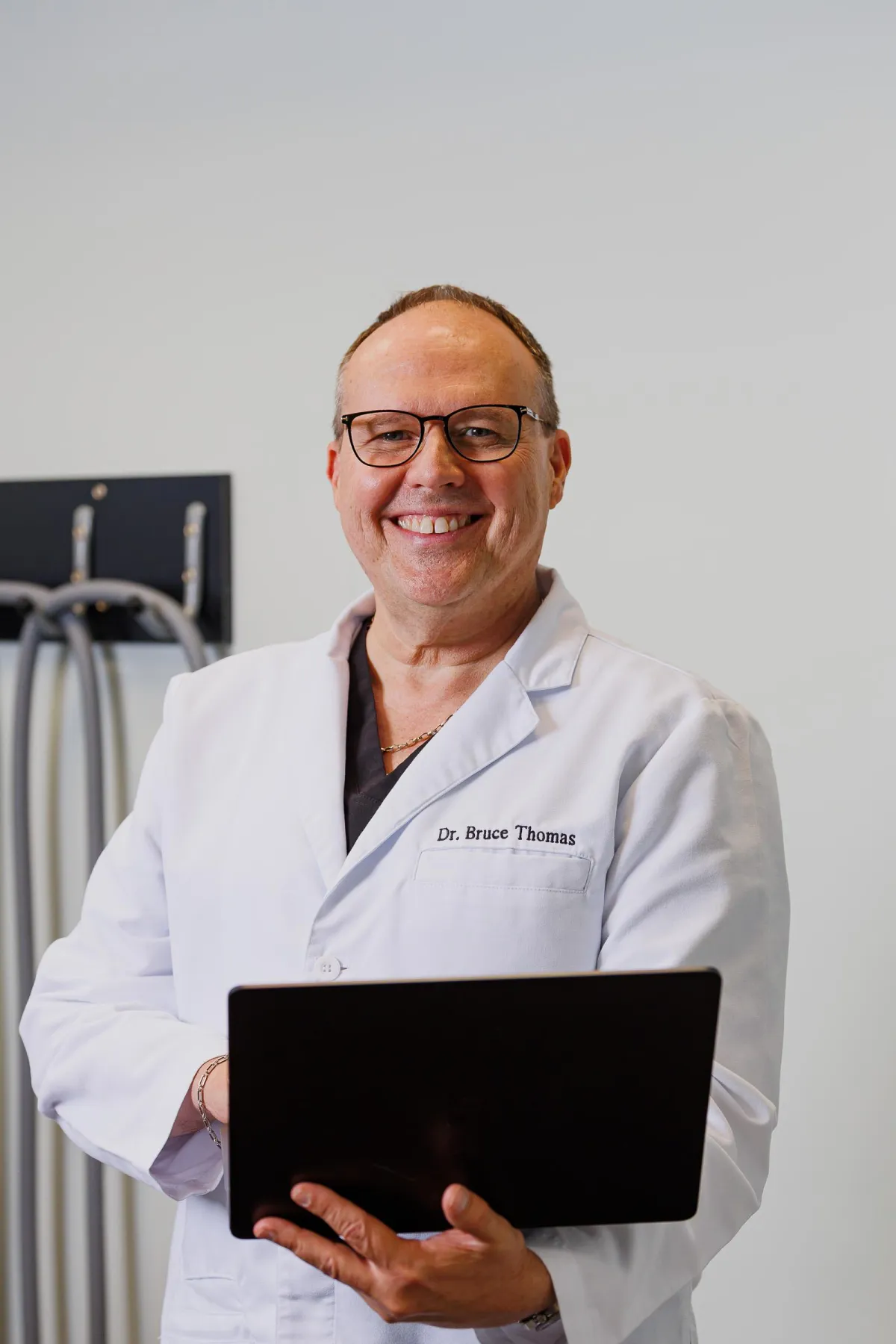
At Physician Artistry, that distinction matters to us. Dr. Thomas has been practicing aesthetic medicine for over 30 years, and part of what that experience brings is the confidence to tell a patient, honestly, if they don't need anything yet. A lot of patients have told us that hearing "you're not ready for this" — followed by a real explanation of what to watch for — was exactly what they needed.
What a First Botox Appointment Actually Looks Like
If you're curious about Botox and wondering whether it makes sense for where your face is right now, the best starting point is simply a conversation. Our guide on what to expect during your first Botox appointment walks through the full process — from how Dr. Thomas evaluates your facial dynamics to what the treatment itself involves and what recovery looks like.
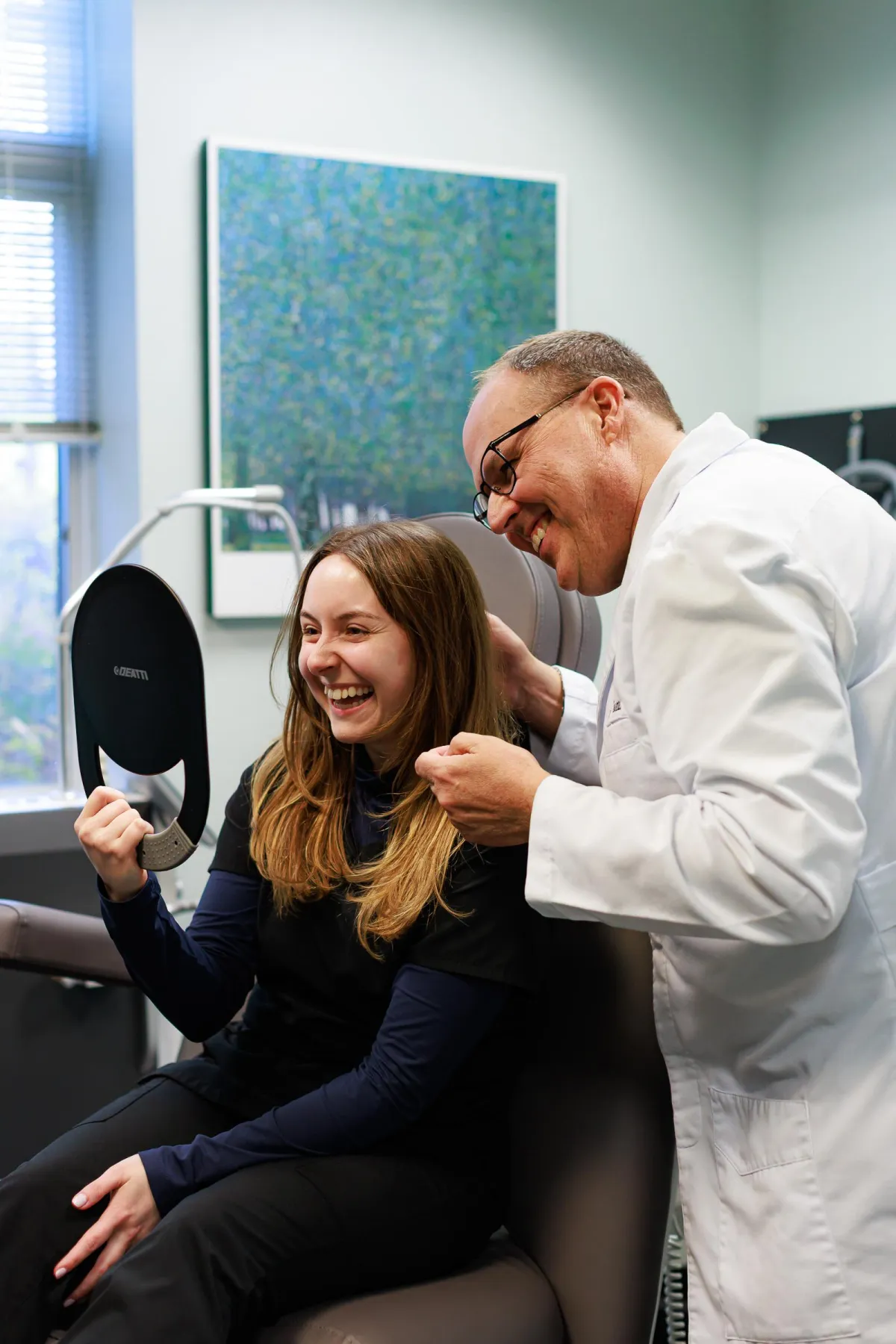
The short version: it's a thorough, unhurried conversation before any treatment is planned. You leave knowing exactly what was done, why, and what to expect. And if you're not a candidate yet, you'll know that too — along with a clear sense of what to look for and when to come back.
Botox Alongside Other Treatments — or On Its Own
Botox is often part of a broader approach to skin health, especially as patients move through their thirties and forties. Some patients combine it with dermal fillers to address volume alongside movement, while others use it alongside skin-quality treatments like Secret RF Microneedling or HydraFacial to address texture and tone at the same time.
There's also a useful guide on combining Botox and fillers for a full-face refresh if you're wondering how these treatments work together. But for younger patients, Botox on its own — used conservatively in one or two targeted areas — is often the most appropriate starting point.
So — Should You Start Earlier?
If you're seeing movement-driven lines that bother you, if you have a strong family pattern you'd like to stay ahead of, or if you're simply curious and want a physician's honest opinion, the answer is: come in and find out. Not because you're behind, not because a trend says you should, but because you deserve a real assessment from someone who's going to look at your face and give you a straight answer.
If you're in Northern Virginia and you'd like to talk through whether Botox makes sense for you right now, learn more about our Botox treatments or reach out to schedule a consultation. There's no script here — just an honest conversation about what you're seeing, what you want, and what actually makes sense for your face.
Start your transformation today!
Schedule your complimentary consultation with our friendly and knowledgeable team.