

If you've been researching skin rejuvenation options in Northern Virginia, you've probably come across PRP therapy. It shows up alongside microneedling, laser treatments, and fillers, but it works differently from all of them. Some patients are curious. Others are skeptical. Most just want a straight answer about whether it's worth considering.
This post breaks down what PRP therapy actually is, how it's used for skin rejuvenation, and what you should know before scheduling a consultation in Sterling, VA.
What Is PRP Therapy?
PRP stands for platelet-rich plasma. It's derived from your own blood, which is drawn in a small amount at the start of your appointment and then processed in a centrifuge. That process separates the plasma, which is rich in platelets, from the rest of your blood components.
Platelets contain growth factors, proteins that play a role in tissue repair and cell regeneration. When platelet-rich plasma is applied or injected into the skin, it may signal the body to increase collagen production and support natural renewal processes.
- PRP is derived from your own blood, so there is no foreign substance introduced
- The treatment takes about 60 to 90 minutes from blood draw to completion
- It is commonly used on the face, neck, and décolletage
- PRP is also used for hair restoration in patients experiencing thinning or shedding
Because PRP uses your body's own biology, it tends to be well tolerated. Side effects are generally mild and temporary, most commonly some redness or swelling at the treatment site.
What Skin Concerns Can PRP Address?
PRP is not a treatment for every skin issue. It works best for patients who want to support overall skin quality rather than correct a specific structural concern like deep volume loss or pronounced hollowing. That said, many patients find it complements other treatments well.
PRP therapy may be helpful for:
- Fine lines and early wrinkles, particularly around the eyes and mouth
- Dull or uneven skin tone
- Rough or crepey skin texture
- Early signs of skin laxity
- Overall skin quality improvements in patients in their late 30s through 60s
It is not typically the first recommendation for patients with significant volume loss, deep folds, or structural concerns. For those issues, dermal fillers or treatments like Secret RF Microneedling may be more appropriate, or PRP may be used alongside them as part of a combined approach.
What Does a PRP Facial Actually Involve?
The term "PRP facial" can refer to a few different delivery methods. At a physician-led practice, the approach is tailored to the patient's skin goals and anatomy. Here's what the process generally looks like:
- Blood draw: A small amount of blood is drawn from your arm, similar to a routine lab draw
- Centrifuge processing: The blood is spun down to separate and concentrate the platelet-rich plasma
- Topical or injection delivery: The PRP is either applied to the skin after microneedling to enhance absorption, or injected directly into targeted areas
- Recovery: Most patients experience mild redness for 24 to 48 hours. Downtime is minimal for most people
Results from PRP therapy are gradual. Many patients notice improvement in skin texture and tone over four to eight weeks as the skin responds. A series of treatments is often recommended for the best outcome, though your provider will discuss what makes sense for your specific situation.
If you're also curious about how growth factors are used in skin care products, our team offers PDGF+ platelet-derived growth factor serum as a complement to in-office treatments.
Is PRP Right for You? What to Consider Before Booking
PRP therapy is not ideal for everyone. A brief consultation can help determine whether it fits your goals, your skin type, and your overall health profile.
PRP may be a good fit if you:
- Want to improve skin quality without injectables or laser downtime
- Are in generally good health with no active bleeding disorders or certain autoimmune conditions
- Have realistic expectations about gradual, natural-looking results
- Are interested in a treatment that works with your body's own biology
PRP is typically not recommended for patients who are pregnant, taking blood thinners, or have certain platelet disorders. Your provider will review your health history before any treatment is planned.
If you're still comparing options, it's worth reading about treatments like microneedling or chemical peels, which address some overlapping concerns through different mechanisms.
PRP Therapy at Physician Artistry in Sterling, VA
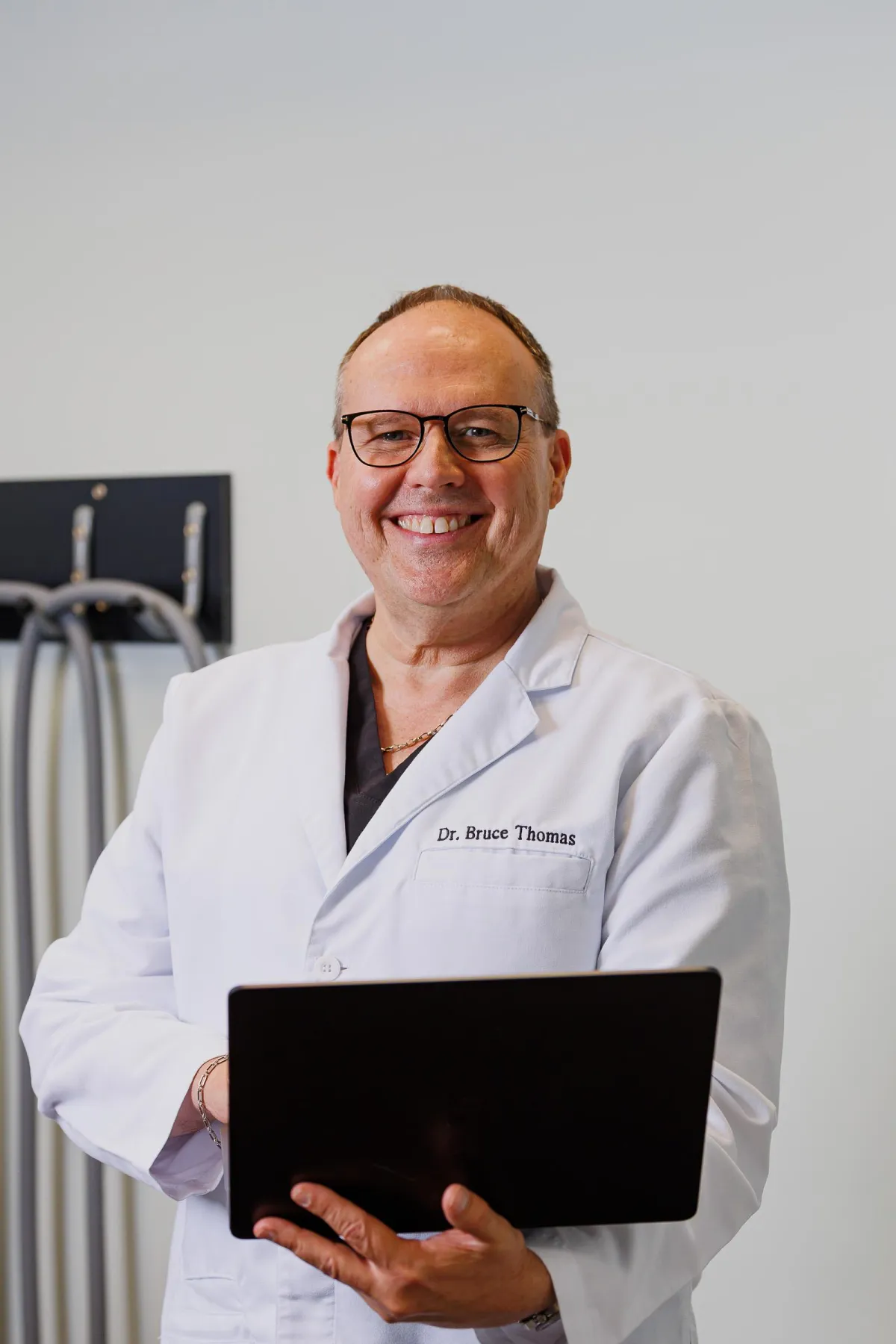
At Physician Artistry Medical Spa, treatments are recommended based on what will genuinely serve each patient, not what sounds impressive. Dr. Bruce Thomas leads the practice and oversees all treatment protocols, bringing a physician's perspective to every consultation.
The goal is never to push a single treatment in isolation. Many patients benefit from combining PRP with other approaches, whether that's Botox for dynamic lines, SkinVive for skin hydration, or HydraFacial for surface-level texture. The right combination depends on your skin, your goals, and your timeline.
If you're in Sterling, Ashburn, Herndon, Reston, or the surrounding Loudoun County area and want to understand whether PRP therapy makes sense for your skin, the best next step is a conversation.
Call Physician Artistry at (703) 433-1700 or visit physicianartistry.com to schedule a consultation. We'll take the time to understand your concerns and give you an honest assessment of your options.
Start your transformation today!
Schedule your complimentary consultation with our friendly and knowledgeable team.