
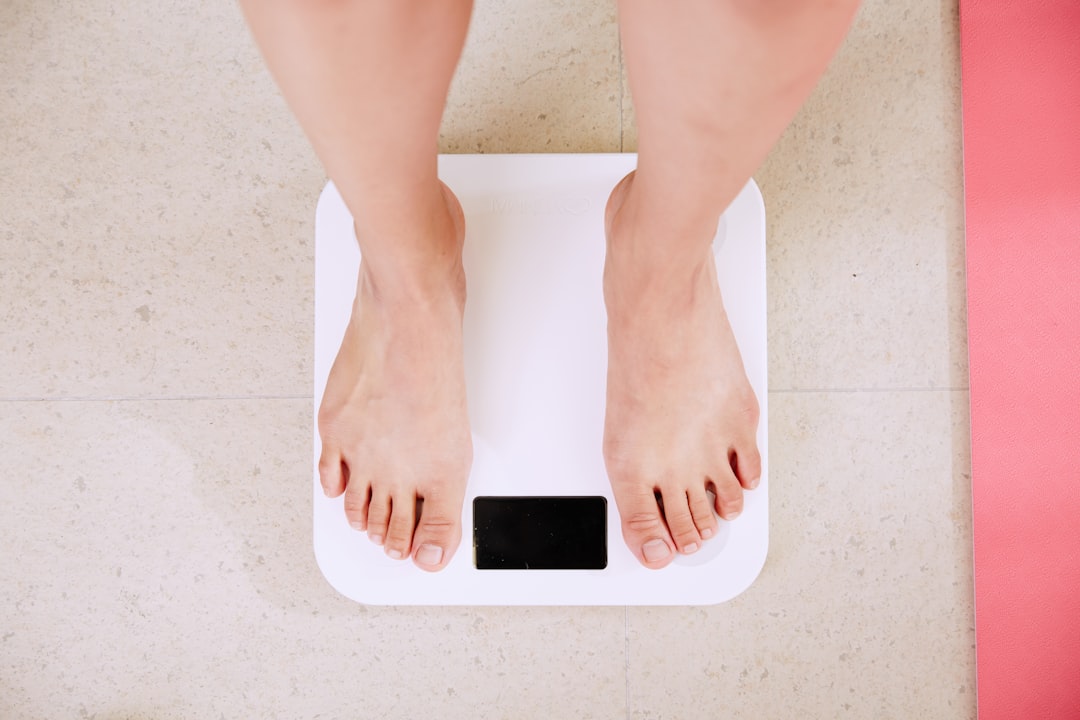
If you've been researching tirzepatide, you've probably done your homework. You know it's one of the most effective weight loss medications available right now. You may have looked into the side effects of tirzepatide, wondered when tirzepatide starts working, and tried to figure out how much tirzepatide to start with. Those are exactly the right questions to ask before starting any medical treatment.
But there's one thing most patients don't think to ask about — and it tends to show up a few months in, just when the scale is finally moving in the right direction.
Skin laxity.
It's not a rash. It's not a reaction. It's the gradual loosening and sagging of skin that happens when fat loss occurs faster than the skin's natural collagen structure can keep pace with. And for tirzepatide users in Sterling, VA, it's becoming one of the most common things we're helping patients address at Physician Artistry.
First, Let's Answer the Questions You Came Here With
Before we get into the skin piece, let's address the foundational questions — because they matter, and you deserve a clear answer.
What are the side effects of tirzepatide?
The most commonly reported side effects of tirzepatide are gastrointestinal: nausea, vomiting, diarrhea, constipation, and reduced appetite. These tend to be most noticeable in the early weeks of treatment and typically ease as your body adjusts to the medication and as dosing is titrated up gradually. Less common side effects can include fatigue, injection site reactions, and changes in heart rate. Skin laxity isn't listed on the standard side effect sheet — but that doesn't mean it isn't real. It's a downstream consequence of rapid fat loss, and it affects a meaningful number of patients who lose weight quickly.
When does tirzepatide start working?
Most patients begin noticing reduced appetite within the first one to two weeks. Visible weight loss typically becomes apparent within the first four to eight weeks, though this varies based on starting weight, dose, lifestyle factors, and individual metabolism. Tirzepatide works as a dual GIP and GLP-1 receptor agonist — meaning it targets two pathways simultaneously, which is part of why it tends to produce more significant weight loss than semaglutide alone for many patients. If you'd like to understand how these two medications compare, our team has put together a detailed breakdown in Tirzepatide vs. Semaglutide: Which Weight Loss Injection Wins?
How much tirzepatide to start with?
Starting dose is always determined by a physician — and this is not a place to guess. The standard clinical starting point is 2.5 mg once weekly, with gradual increases every four weeks based on tolerability and response, up to a maintenance dose of 5 mg, 10 mg, or 15 mg depending on the individual. At Physician Artistry, Dr. Thomas personally reviews every patient's health history, goals, and current medications before recommending a starting dose and titration schedule. This is not a one-size-fits-all protocol. Learn more about our physician-supervised approach on our tirzepatide weight loss page.
Now, About That Skin Problem
Here's what tends to happen: tirzepatide works. Really well. Patients who struggled for years to lose weight start seeing significant results — sometimes 15 to 25 percent of their body weight — within several months to a year. That's genuinely life-changing.
But skin doesn't automatically snap back after significant fat loss. Collagen and elastin — the proteins that give skin its firmness and elasticity — take time to remodel. When fat loss is rapid, the skin can be left behind, appearing loose, crepey, or deflated in areas like the face, neck, arms, and abdomen.
This is the same phenomenon we see with semaglutide users, and it can feel discouraging when you're working so hard. We wrote about this in more detail in our post on semaglutide and skin laxity, and much of what applies there applies here as well.
The good news? This is one of the most treatable aesthetic concerns we address at Physician Artistry — and it doesn't require surgery.
What's Actually Happening to Your Skin
Your skin contains a network of collagen fibers that support its structure. When fat is present beneath the skin, it provides a kind of scaffolding. When fat is lost — especially quickly — that scaffolding is reduced, and the skin above it can look loose or saggy.
At the same time, tirzepatide patients are often in a caloric deficit, which can slow collagen production and affect the skin's ability to rebound on its own. After 35 or 40, natural collagen production is already declining — so the combination of weight loss and age-related collagen loss can compound the effect.
Patients who are already paying attention to this dynamic often ask us whether starting preventive skin treatments while on tirzepatide makes sense. The answer, in most cases, is yes.
What We're Doing for Tirzepatide Patients at Physician Artistry
Dr. Thomas and the team at Physician Artistry are seeing more tirzepatide patients each month who are thrilled with their weight loss — and want help ensuring their skin looks as good as they feel. Here's what that typically looks like in practice.
Secret RF Microneedling
Secret RF Microneedling is one of the most effective non-surgical treatments for improving skin firmness and texture. It uses radiofrequency energy delivered through tiny needles to stimulate collagen and elastin deep within the skin — the same proteins that weight loss can compromise. Patients typically see progressive improvement over several months, with skin appearing firmer, smoother, and more lifted. It works on the face, neck, arms, and abdomen — all areas where tirzepatide-related laxity tends to show up. We've written more about what to expect from this treatment in our post on whether RF microneedling is worth it.
Sculptra and Collagen-Stimulating Fillers
For facial volume loss specifically — which can give tirzepatide patients a drawn or gaunt appearance in the face — collagen stimulators like Sculptra offer a gradual, natural-looking solution. Rather than simply adding volume like a traditional filler, Sculptra works by triggering your body's own collagen production over time. Results build over months and tend to look remarkably natural. You can read about how this process unfolds in our post on the Sculptra results timeline from months one through six. For a broader look at how biostimulators like Sculptra are changing the treatment landscape, our post on biostimulators replacing traditional fillers is worth a read.
Skin Tightening Treatments
For patients with more significant laxity — particularly on the neck and lower face — we discuss non-surgical skin tightening options as part of a personalized plan. Dr. Thomas is thorough about understanding where you are in your tirzepatide journey before recommending timing, since continued weight loss will affect results. The goal is always to time treatments strategically so results are both effective and lasting.
Dermal Fillers for Facial Volume
When rapid weight loss affects the face, structural fillers can restore definition to the cheeks, jawline, and midface. Patients are often surprised at how much of what they think of as "looking tired" or "looking older" is actually volume loss rather than wrinkles. Restoring volume in the right areas can take years off the face without looking overdone — consistent with the feedback we regularly hear from our patients that their results enhanced their features without ever looking unnatural.
Does Timing Matter?
Yes — and this is worth understanding. If you're still actively losing weight on tirzepatide, some treatments are better suited to start sooner (like collagen-stimulating treatments, which work gradually over time), while others are better timed once your weight has stabilized. Dr. Thomas will walk through this with you specifically, because the right plan depends on where you are in your treatment.
One thing we consistently encourage: don't wait until you're done losing weight to start thinking about skin. The earlier collagen-stimulating treatments are introduced, the better positioned your skin is to respond as your body changes.
What Patients Tell Us
We hear versions of the same thing often. Patients come in having lost meaningful weight — sometimes more than they've lost in years of trying — and they feel genuinely proud of that. But they're looking in the mirror and seeing skin that doesn't quite match how they feel. They're not unhappy with the medication. They're just dealing with something they didn't expect and weren't prepared for.
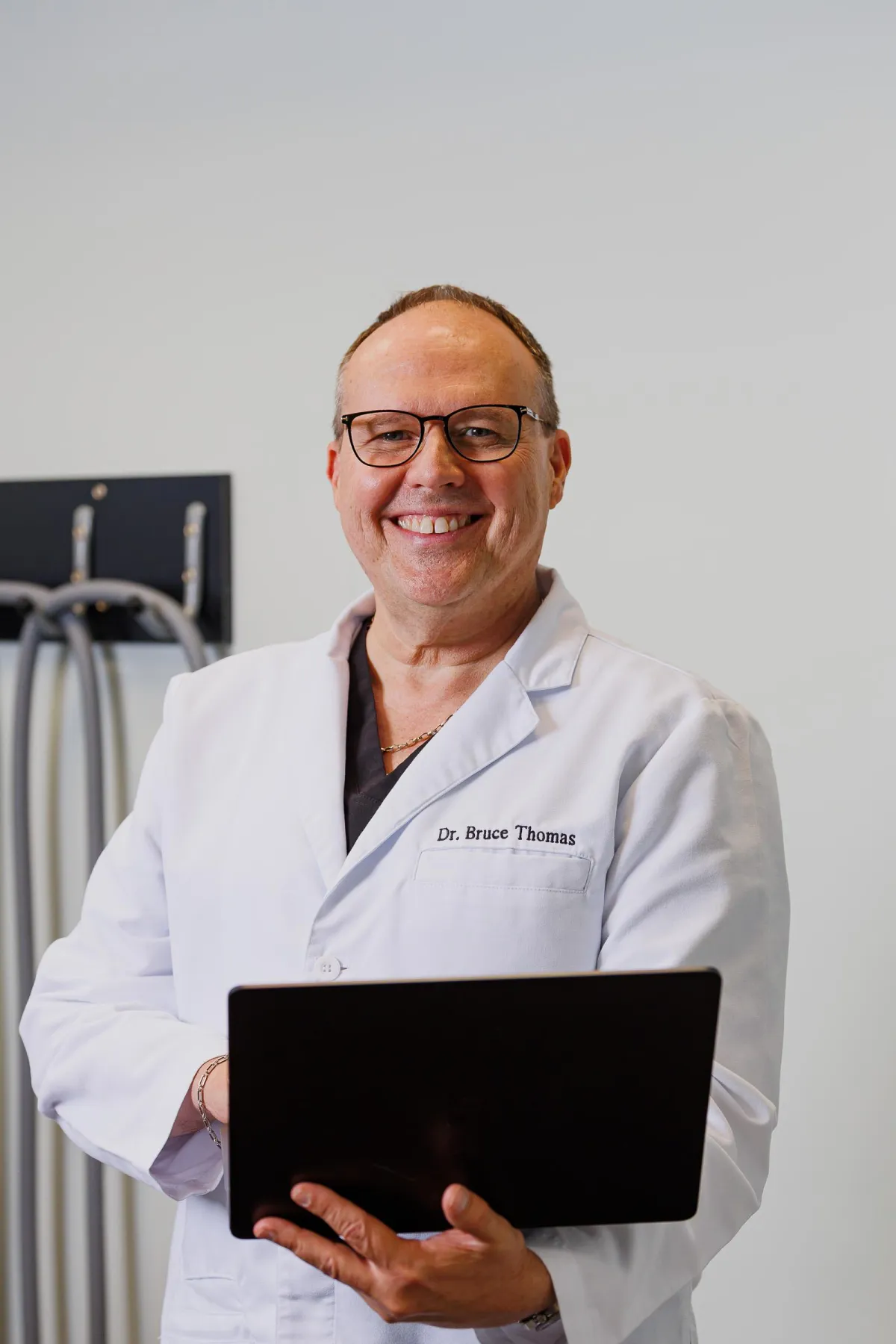
That's exactly the kind of situation where a physician-led practice makes a difference. Dr. Thomas has over 30 years of clinical expertise and approaches every tirzepatide patient as a whole person — not just a weight loss case. The skin concerns are real. They're addressable. And the plan is always thoughtful, not rushed.
What to Do Next
If you're currently on tirzepatide — or thinking about starting it — and you're wondering what this means for your skin, the best first step is a consultation. Dr. Thomas will review your current medications, your weight loss history, and your skin concerns together, and recommend a timeline that makes sense for where you are right now.
Physician Artistry is located in Sterling, VA and serves patients throughout Northern Virginia, Loudoun County, and the DC metro area. We've helped over 5,000 patients navigate exactly these kinds of transitions — and we'd be glad to help you do the same.
Start your transformation today!
Schedule your complimentary consultation with our friendly and knowledgeable team.