
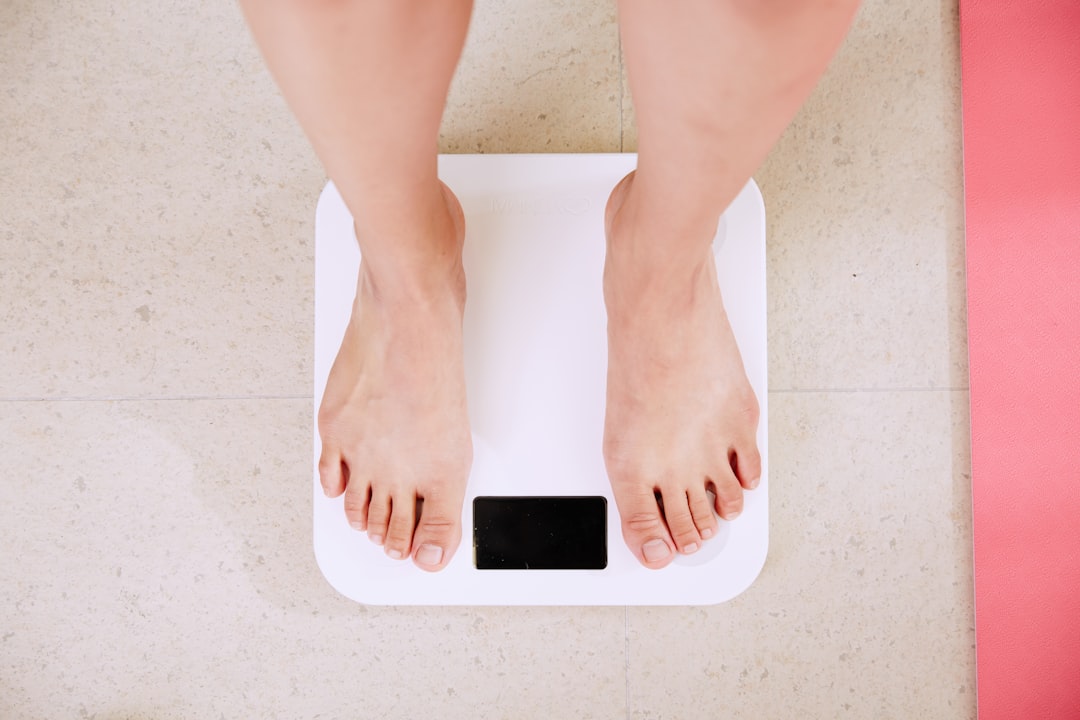
Losing weight on tirzepatide can feel like a turning point. Patients who've struggled for years finally see real, sustained progress — sometimes 40, 50, even 60 or more pounds gone over the course of their treatment. That's genuinely life-changing, and it deserves to be celebrated.
But for a lot of patients, especially those in their 40s and beyond, there's a moment somewhere along the way where the excitement gets complicated. The scale keeps moving in the right direction, but the skin isn't quite keeping up. The stomach looks softer than expected. The inner arms feel looser. The jawline and neck aren't as defined as they once were. And instead of feeling like the finish line is getting closer, it starts to feel like a different kind of problem just traded places with the first one.
If that sounds familiar, you're not alone — and more importantly, you're not stuck.
Why Tirzepatide Weight Loss Affects Skin the Way It Does
To understand why loose skin happens after significant weight loss, it helps to think about what skin actually is and how it behaves. Skin is elastic, but that elasticity has limits — and those limits depend heavily on age, genetics, how quickly weight is lost, and how much structural support the skin had to begin with.
For most of your life, your skin was supported by a combination of fat tissue underneath it and a framework of collagen and elastin fibers within it. Collagen gives skin its firmness; elastin allows it to stretch and snap back. When you carry extra weight for months or years, the skin gradually expands to accommodate the additional volume. The collagen network stretches, elastin fibers weaken, and the skin slowly loses some of its ability to recoil on its own.
When weight loss happens — especially relatively rapid weight loss, which tirzepatide can produce — the fat that was supporting the skin from below gets reduced. The skin is left with less structure underneath it, and if the collagen and elastin network has been stretched or weakened, it may not have enough integrity to contract and firm up on its own.
This is why loose skin after weight loss isn't a failure of the treatment. Tirzepatide did exactly what it was supposed to do. The skin is simply responding the way skin behaves when its underlying support changes faster than its own biology can compensate for.
Is Tirzepatide Safe — And Does It Affect Your Skin Differently?
One of the most common questions patients ask when they start noticing skin changes is whether the medication itself is causing a skin problem. It's worth being direct here: tirzepatide is a well-studied medication, and for the vast majority of patients, it is considered safe when prescribed and monitored by a physician. The skin laxity patients experience is not a toxic side effect of the drug itself. It's a downstream consequence of the weight loss the drug produces.
That said, tirzepatide does create some conditions that can accelerate how quickly skin loses tone. It suppresses appetite significantly, which means patients sometimes aren't consuming enough protein to support skin structure during active weight loss. Collagen synthesis requires adequate protein, along with specific micronutrients. When the body is in a caloric deficit and protein intake is insufficient, it may break down muscle tissue for energy — and muscle loss underneath the skin reduces the structural support that keeps skin looking taut and defined.
There's also the question of how GLP-1 medications affect the face specifically. If you've noticed that your face looks older, more hollowed, or less defined than expected as you've lost weight, you're not imagining it. We've written about this in more detail in our post on why tirzepatide users see faster facial aging during weight loss — the short version is that facial fat serves a structural role, and when it depletes faster than the overlying skin can adapt, it can create a gaunt or prematurely aged appearance.
Tirzepatide skin sensitivity is also something some patients report during active treatment. For most patients, this is mild and temporary. But any time you notice new or persistent skin changes during GLP-1 therapy, it's worth mentioning to the physician managing your care.
How Much Tirzepatide for Weight Loss — And Does Dosing Affect Skin?
Patients often wonder whether the dose they're on influences how pronounced the skin laxity becomes. It's a reasonable question. The answer is nuanced: higher doses of tirzepatide tend to produce more rapid and significant weight loss, which can outpace the skin's ability to adapt. But slower weight loss doesn't guarantee tight skin — it just may give the skin more time to adjust.
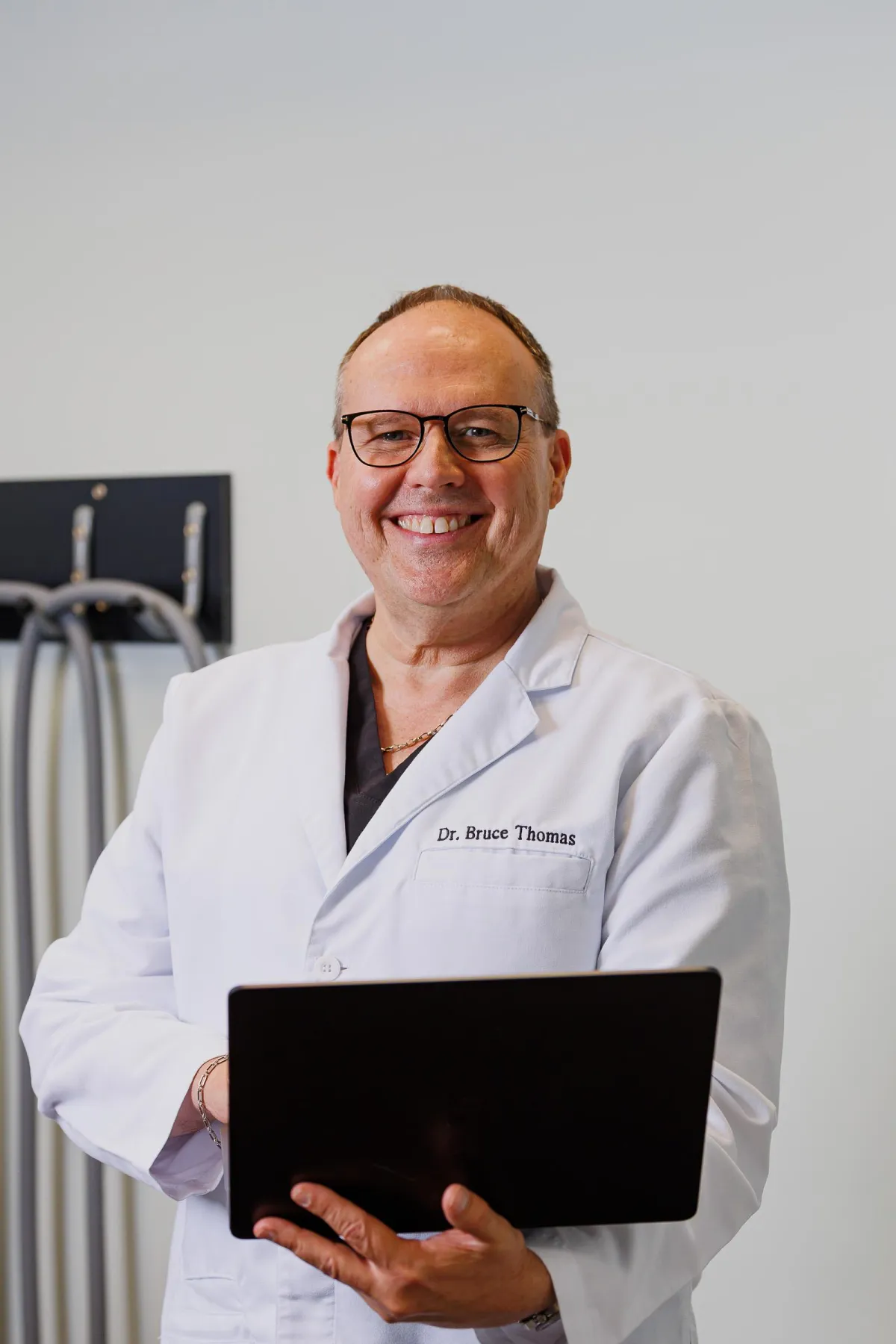
How much tirzepatide is appropriate for weight loss is something that should be determined by your physician based on your health history, your goals, and how your body is responding to the medication. At Physician Artistry, Dr. Thomas oversees every GLP-1 treatment plan personally. That means dosing decisions aren't made by a protocol on paper — they're made with real attention to how you as an individual are progressing and what your body is telling us along the way.
If you're not already working with a physician who's actively monitoring your response to tirzepatide, that's worth addressing sooner rather than later. We've also seen patients arrive having hit a plateau after initial success — something we cover in depth in our post on what to do when tirzepatide stops working.
The Skin Laxity Problem Is Real — And It's Treatable
Loose skin after tirzepatide weight loss isn't something you simply have to accept. There are effective, non-surgical treatments that address the underlying issue — collagen and elastin loss — rather than just masking it at the surface.
The key is understanding that no topical product, no matter how well formulated, can reverse structural skin laxity that developed over months or years of weight change. Firming creams work at the very superficial layer of skin. Real tightening requires stimulating the deeper collagen network — and that requires energy-based or collagen-induction treatments delivered at the right depth.
Secret RF Microneedling is one of the most effective tools available for this. It uses radiofrequency energy delivered through tiny needles directly into the dermis — the layer where collagen lives — triggering a controlled healing response that stimulates new collagen and elastin production. Over a series of treatments, patients see meaningful tightening and smoothing, particularly on the abdomen, arms, thighs, and face. One of our patients described results that "noticeably tightened and smoothed my skin," which captures exactly what this treatment can do when done correctly. Learn more about Secret RF Microneedling at Physician Artistry.
PDO threads offer another dimension of support, particularly for areas like the lower face, neck, and jawline where loose skin creates a structural problem that benefits from mechanical lifting and collagen stimulation simultaneously. Many patients are surprised by what threads can accomplish without surgery. If you're curious, our post on why patients are choosing PDO threads over facelifts is a good starting point.
Sculptra is another option worth knowing about, especially for patients who've experienced significant volume loss in the face or body. Unlike traditional fillers that add immediate volume, Sculptra works by stimulating your body's own collagen production gradually over several months. The results are subtle, progressive, and long-lasting — making it particularly well-suited to patients who want natural-looking improvement rather than a filled or inflated appearance.
Depending on what you're working with, the best approach may involve combining two or more of these treatments. Our post on which med spa treatments actually help with skin laxity after GLP-1 weight loss goes into more detail on how different options complement each other.
What This Looks Like in Practice
No two patients come in with the same picture. Someone who lost 30 pounds in their mid-40s will have different skin dynamics than someone who lost 60 pounds in their late 50s. The areas of concern are different, the degree of laxity is different, and what's realistic to accomplish non-surgically is different.
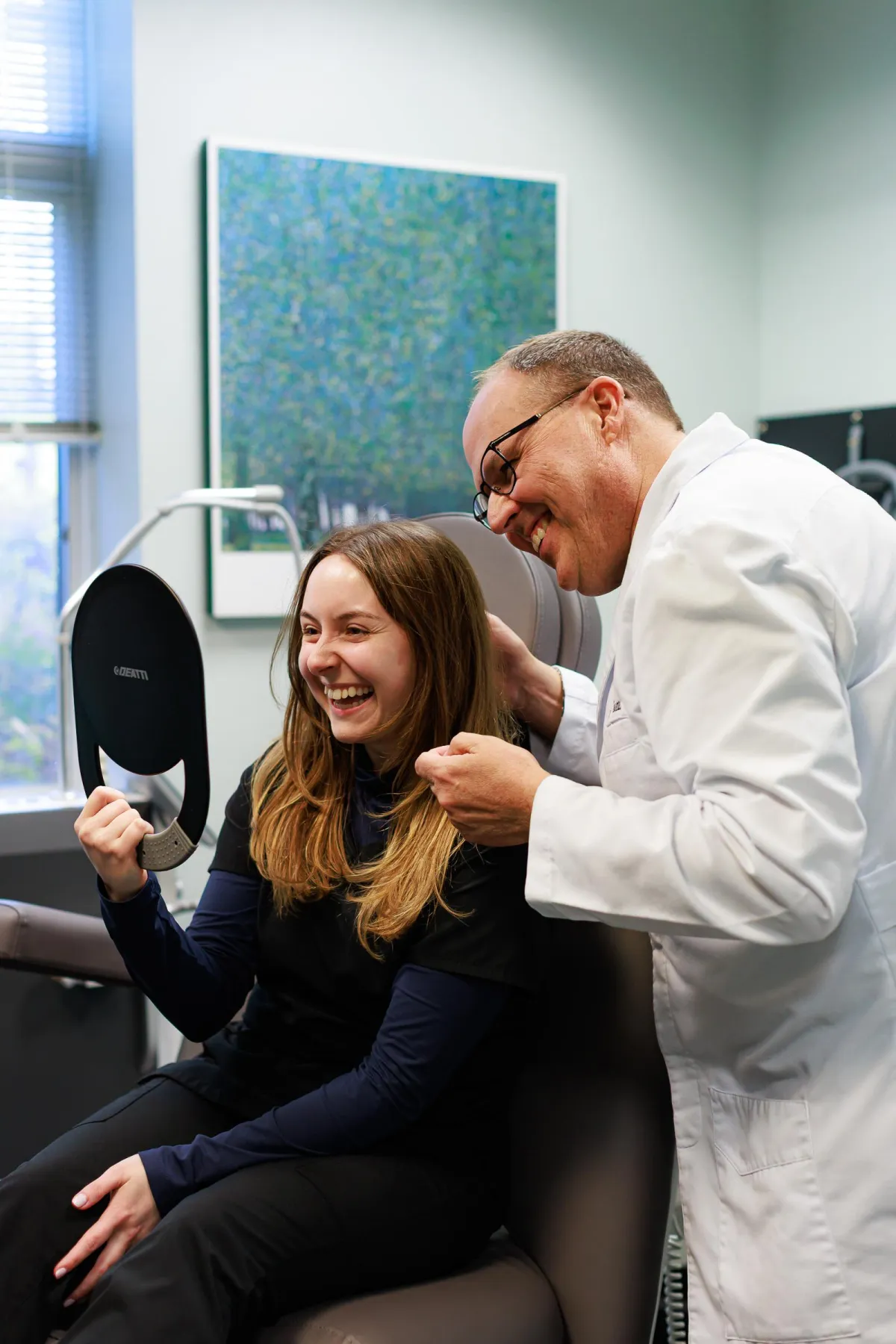
That's why the first conversation matters so much. When you come in to see Dr. Thomas, the goal isn't to sell you a package of treatments — it's to understand exactly where you are, what you're hoping for, and what path makes the most clinical sense for your specific situation. Patients consistently describe this approach as "comprehensive and thoughtful," and it's something we take seriously because the alternative — a generic protocol applied to every patient who lost weight — simply doesn't produce the kind of results that hold up over time.
If you're navigating skin changes alongside your weight loss journey, or if you're earlier in your tirzepatide treatment and want to be proactive about protecting your skin as you lose weight, we'd love to have that conversation with you. Learn more about tirzepatide at Physician Artistry, or reach out to schedule a consultation.
You worked hard to get here. Let's make sure your skin reflects that.
Start your transformation today!
Schedule your complimentary consultation with our friendly and knowledgeable team.