

If you've searched for testosterone therapy in Virginia Beach or anywhere else in the Commonwealth, chances are you didn't arrive here on a whim. Something nudged you — maybe it was waking up exhausted after eight hours of sleep, losing interest in things that used to excite you, or noticing your body simply doesn't respond the way it used to in the gym or the bedroom. You're not imagining it, and you're far from alone.
Across Northern Virginia — from government contractors in Tysons to active-duty service members near Fort Belvoir and the Pentagon — men in their 30s, 40s, and 50s are having a quiet, private realization: low testosterone isn't a punchline. It's a medical condition with real symptoms, real causes, and real solutions. And they're addressing it without fanfare, discreetly and on their own terms.
The Symptoms Nobody Talks About at Happy Hour
Low testosterone rarely announces itself with a single dramatic sign. Instead, it chips away quietly:
- Persistent fatigue that coffee can't fix
- Declining muscle mass despite consistent training
- Stubborn weight gain, especially around the midsection
- Low libido or difficulty maintaining erections
- Irritability, low mood, or a general sense of flatness
- Trouble concentrating — a fog that wasn't there a few years ago
We've written in detail about how testosterone decline quietly wrecks sleep quality, and how that single symptom can cascade into nearly every other area of life. Poor sleep lowers testosterone further, which worsens sleep, which worsens mood and energy — a loop that feels impossible to break without addressing the root hormonal cause.
Why "Virginia Beach" and "Northern Virginia" Men Are Searching the Same Thing
Whether you're stationed near the coast or commuting into DC every day, the pattern is identical: high-performing, high-pressure men hitting a wall they can't explain. Chronic stress, irregular sleep, and the demands of a career that never really turns off all accelerate hormonal decline. We've covered this connection closely in how stress hormones affect the body, and testosterone is often the first casualty of a cortisol-dominant lifestyle.
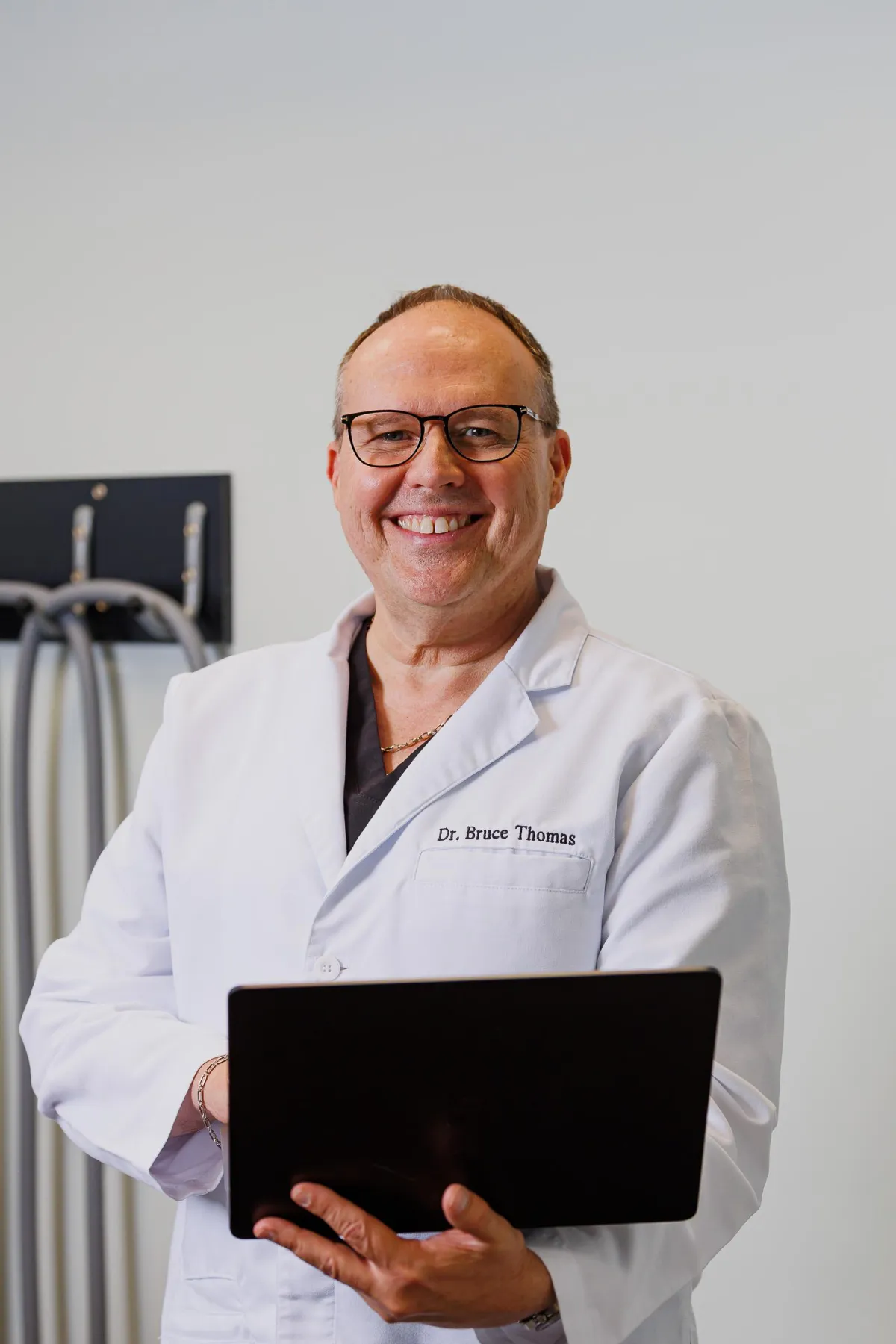
Dr. Thomas has spent over 30 years in clinical medicine, and one thing hasn't changed: men wait far too long to ask for help. The men who've come through our doors and seen real change — detailed in how testosterone therapy changed these Northern Virginia men completely — almost always say the same thing afterward: "I wish I hadn't waited."
What "Quietly Reversing" Actually Looks Like
Testosterone replacement therapy, when properly dosed and monitored by a physician, isn't about chasing numbers on a lab report. It's about restoring the version of you that existed before the fatigue, the fog, and the frustration set in. Patients typically describe:
- Noticeably more consistent energy throughout the day
- Improved mood and mental clarity
- Better results from strength training and easier fat loss
- Renewed interest in intimacy and improved performance
- A general sense of "feeling like myself again" — a phrase we hear from patients constantly
This isn't guesswork. Every treatment plan at Physician Artistry begins with comprehensive and thoughtful bloodwork — not a quick symptom checklist — because testosterone therapy done well requires precision, not assumptions. If you're also noticing changes in sexual performance alongside low energy, it's worth reading about how erection problems under 50 are rising and why hormone levels are often the overlooked piece of that puzzle. Many of our patients pair testosterone therapy with GainsWave for a more complete approach to performance and vascular health.
Understanding Low Testosterone and VA Disability Ratings
This is where things get important for the many veterans and current service members we work with in the Northern Virginia area. Low testosterone (medically referred to as hypogonadism) can, in certain circumstances, be recognized by the Department of Veterans Affairs as a compensable condition — particularly when it develops secondary to another service-connected issue such as PTSD, traumatic brain injury, diabetes, or medication side effects from treating a service-connected condition.
A low testosterone VA disability rating isn't something we file or determine here — that process runs through the VA's own evaluation system, and we always encourage veterans to work with an accredited VSO or disability attorney for the claims side. But here's where our role matters: a proper diagnosis requires thorough testing and evaluation, with documented lab values, symptom history, and a clear clinical picture. Many veterans go years without ever having their testosterone formally tested, which means there's no medical record to support a claim even if the condition clearly exists.
Getting baseline labs, an official diagnosis, and a documented treatment plan serves two purposes at once: it gives you a clear, physician-guided path to feeling better, and it creates the kind of medical documentation that matters if you choose to pursue a disability claim related to a service-connected condition. We approach this the same way we approach every case — with comprehensive testing first, so nothing is left to guesswork.
Why Men Are Handling This Quietly
There's still an unnecessary stigma around hormone therapy for men — as if asking for help with fatigue or libido is somehow different from asking for help with high blood pressure or high cholesterol. It isn't. Testosterone is a hormone, not a character flaw, and declining levels are a measurable, treatable medical reality, not a personal failing.
That's part of why so many Northern Virginia men prefer working with a smaller, physician-led practice rather than a corporate clinic chain. At Physician Artistry, Dr. Thomas personally oversees every treatment plan — no handoffs to a rotating cast of providers, no feeling like a number in a system. If you're also managing broader health or body composition goals, you may find it useful to read why the scale keeps lying to you after 40, since testosterone, muscle mass, and metabolism are deeply intertwined.
What the First Conversation Actually Looks Like
There's no dramatic reveal, no pressure, and no judgment. It starts with a conversation about how you've actually been feeling, followed by comprehensive lab work that looks at total and free testosterone, along with other markers that can affect how you feel day to day. From there, you and Dr. Thomas build a plan together — one that fits your life, your goals, and your comfort level.
If you've been quietly wondering whether what you're feeling is "just age" or something more, it's worth finding out. Learn more about our approach on the testosterone therapy page, or explore how other men over 40 and 50 in the region have finally addressed it in Sterling VA's hidden health crisis and why men over 50 are finally addressing this.
You don't have to accept feeling like a diminished version of yourself. The first step is simply finding out what's actually going on — quietly, thoroughly, and with someone who will check in long after that first appointment.
Start your transformation today!
Schedule your complimentary consultation with our friendly and knowledgeable team.