

There's a specific moment a lot of our male patients describe. It usually happens somewhere between their late 30s and mid-50s. They're not sick, exactly. Bloodwork looks "normal" on paper. But something feels off — the gym isn't giving them the results it used to, their patience is shorter, their sleep is worse, and the version of themselves they remember from ten years ago feels increasingly out of reach.
We hear this story so often at Physician Artistry that we've stopped being surprised by it. What we haven't stopped being moved by is what happens next, once a man finally gets a real answer.
**It Usually Starts With a Guess — Not a Diagnosis**
Most of the men who walk through our doors in Sterling have already tried to fix the problem themselves. More sleep. Less alcohol. A new workout split. Sometimes it helps a little. Often it doesn't move the needle at all, because the real issue isn't lifestyle — it's biology.
Testosterone naturally declines with age, but for a meaningful number of men, that decline happens faster and more severely than it should. It shows up as fatigue that coffee can't fix, a noticeable dip in motivation, harder-to-maintain muscle, stubborn weight around the midsection, and a libido that's quietly disappeared. We wrote in detail about this pattern in Low Testosterone in Men Over 40: Sterling VA's Hidden Health Crisis, and it remains one of the most common concerns men bring to their first visit with Dr. Thomas.
The frustrating part is that primary care visits often miss it entirely. A general checkup doesn't always include the comprehensive hormone panel needed to catch a deficiency — which means men can go years attributing very real symptoms to "just getting older."
**Why Testing Actually Matters**
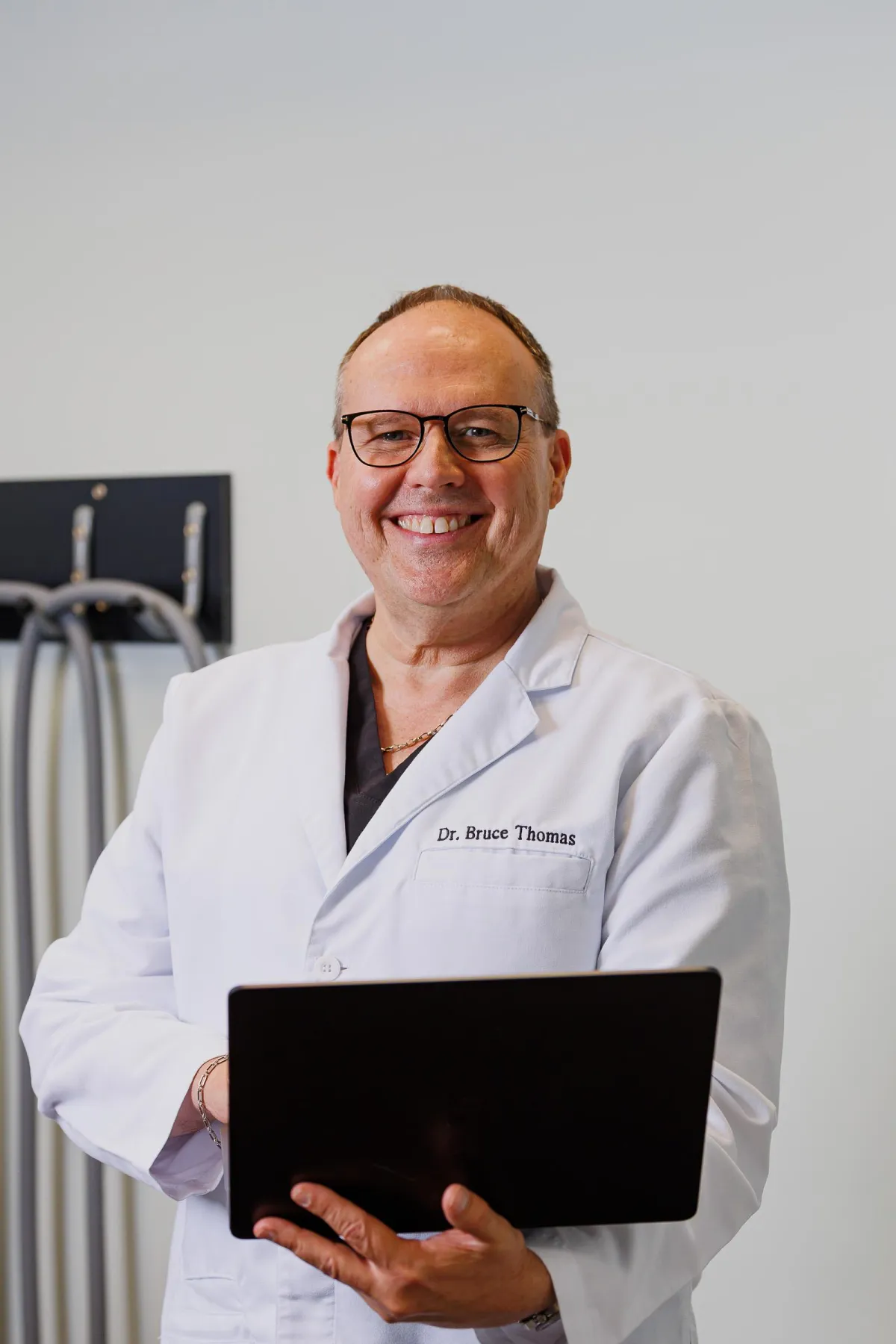
Dr. Thomas's approach to testosterone replacement therapy in Virginia is built around something we say a lot: comprehensive and thoughtful testing before anything else. That means real bloodwork, a real conversation about symptoms and health history, and a treatment plan that's built around your numbers — not a one-size-fits-all protocol.
This matters because testosterone therapy isn't something to guess your way through. Dosing that's right for one man's biology can be completely wrong for another's. That's part of why every plan at our practice is personally overseen by a physician with more than three decades of experience in hormone medicine, not a template pulled off a shelf.
For men over 50 specifically, this evaluation becomes even more important, since symptoms of low testosterone often overlap with other age-related changes. We go deeper into this in Men Over 50 in Sterling VA Are Finally Addressing This.
**What Actually Changes**
The men who've gone through testosterone therapy with us describe changes that go far beyond the gym. Energy that doesn't crash by 2 p.m. Sleep that actually feels restorative. A mental fog that lifts. Confidence that comes back in a way that affects their marriages, their careers, and how they show up for their families.
One patient put it simply: *"I feel like myself again — energized, healthy, and confident."* That's the outcome we're chasing every time — not a dramatic transformation for its own sake, but a return to feeling like the person you actually are.
For many men, testosterone therapy also pairs naturally with other treatments we offer for male wellness. Some patients combine it with GainsWave to address performance concerns, or with our P-Shot for men noticing changes discussed candidly in P-Shot Results Sterling VA Men Keep Quiet About. Others are simultaneously working on weight management, since low testosterone and stubborn weight gain frequently travel together.
**We See Patients Well Beyond Sterling**
While our practice is rooted in Sterling and Loudoun County, we regularly see men who drive in from across the DC metro area — and yes, from as far as Virginia Beach — specifically for the kind of physician-led, thoroughly tested approach to testosterone therapy that's harder to find at larger, corporate clinics. Many of these patients tell us they'd tried a testosterone clinic closer to home first and left feeling rushed, unheard, or handed a prescription with no real follow-up plan.
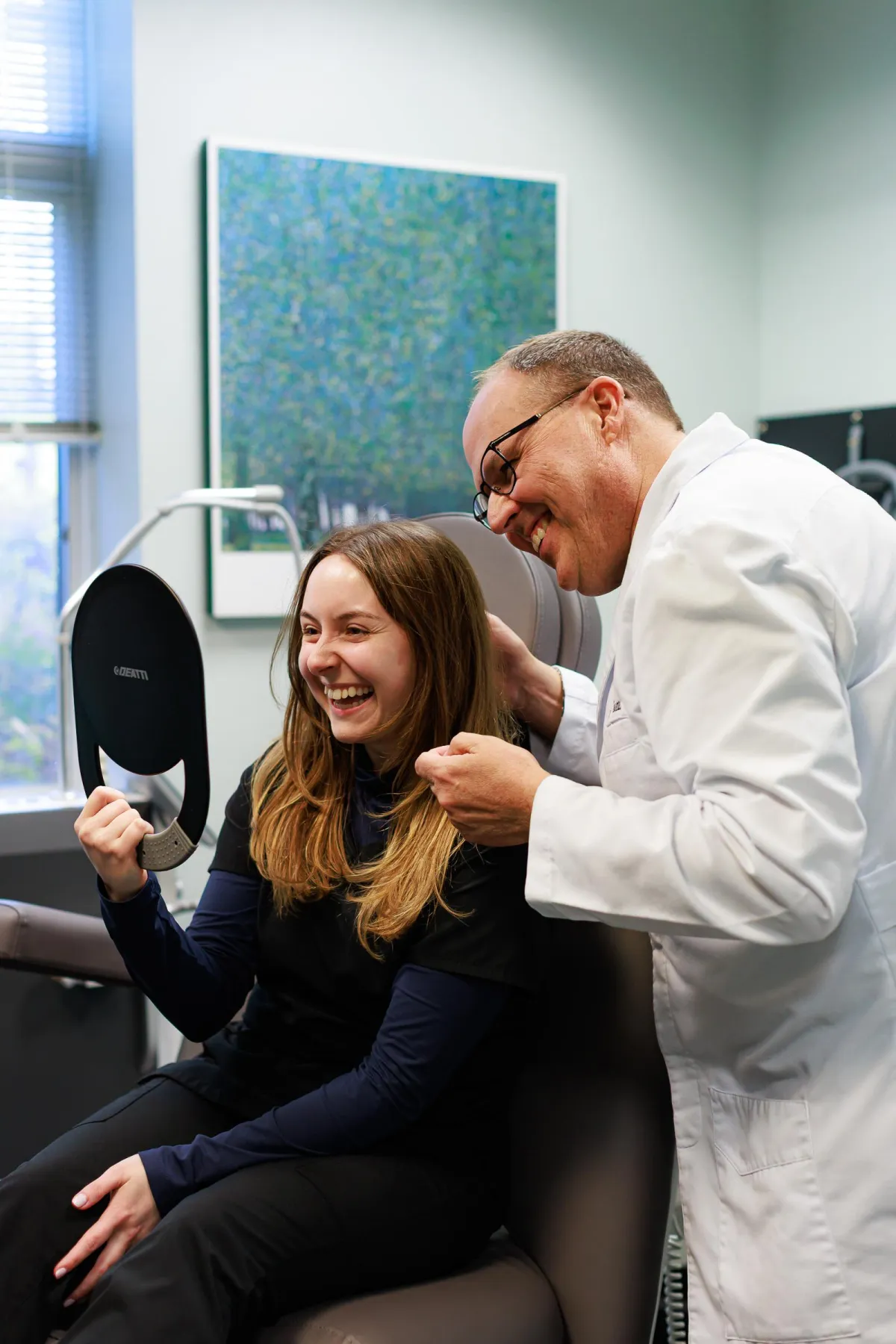
That's not how we practice. Dr. Thomas checks in after major milestones, adjusts dosing based on how you're actually responding, and treats the relationship as ongoing — not transactional. It's part of why our patients consistently describe "kind, attentive" care that continues well past the first appointment.
**Supporting the Whole Picture**
Testosterone therapy works best as part of a bigger picture of how you're taking care of your body. Some of our patients pair their hormone therapy with IV nutrient support to help with energy, recovery, and overall wellness between visits — something we offer alongside our hormone programs for patients who want a more complete approach to feeling their best. If you're curious whether vitamin infusions make sense alongside hormone therapy, our team can walk you through it during your consultation, and you can read more general context in Vitamin Infusions and IV Therapy: Worth It at a Med Spa?.
**Where to Start**
If any part of this feels familiar — the fatigue, the flat mood, the sense that something's quietly shifted — the first step isn't a prescription. It's a real conversation and real bloodwork. That's how we get answers instead of guesses, and it's how so many of our male patients across Northern Virginia have found their way back to feeling like themselves.
You can learn more about our approach on our Testosterone Therapy page, or reach out to schedule a consultation with Dr. Thomas directly.
Start your transformation today!
Schedule your complimentary consultation with our friendly and knowledgeable team.