
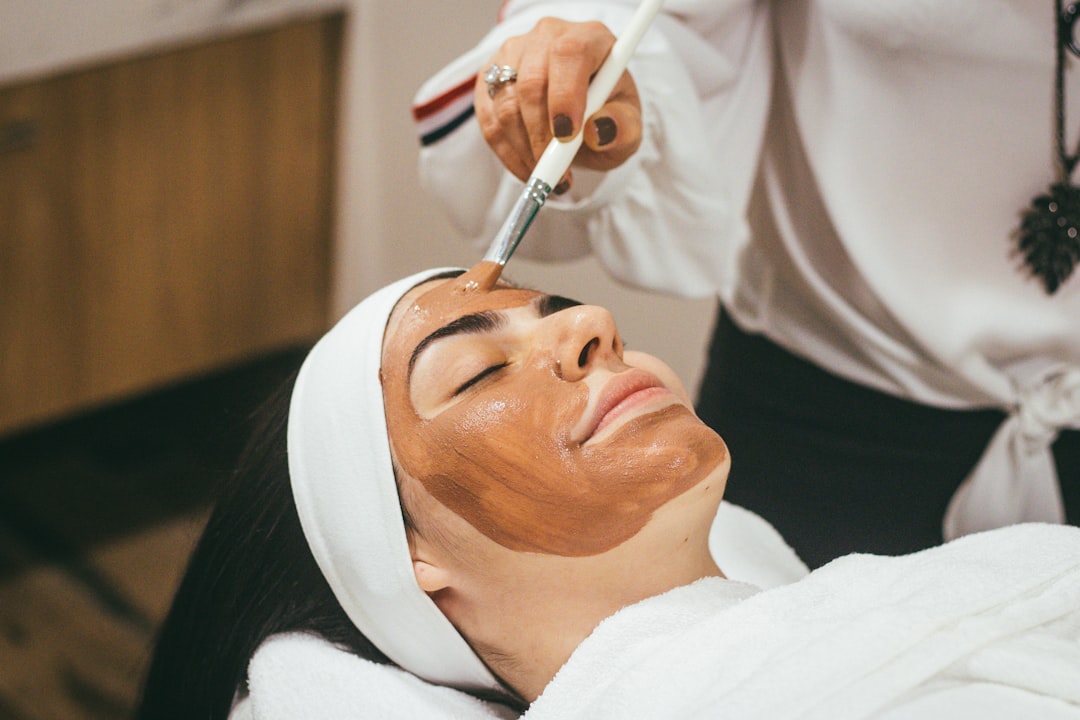
You got filler a few days ago and everything seemed fine. Then you noticed it — a small, tender lump near your jaw, under your chin, or along the side of your neck. Your face still looks a little puffy, and now you're wondering if something went wrong.
First: take a breath. Swollen lymph nodes after filler are more common than most patients realize, and in the overwhelming majority of cases, they're a completely normal part of how your immune system responds to an injection. That said, there's a meaningful difference between normal post-treatment swelling and something that warrants a closer look — and knowing which one you're dealing with makes all the difference.
At Physician Artistry in Sterling, VA, Dr. Thomas and the team field questions like this regularly. Here's a straightforward explanation of what's actually happening, what's normal, and what's not.
Why Lymph Nodes Swell After Filler in the First Place
Your lymphatic system is your body's cleanup crew. When you receive any kind of injection — whether it's a vaccine, a dental procedure, or dermal filler — your immune system notices. It sends white blood cells to the area to investigate and, if necessary, respond. The lymph nodes nearest to the injection site often become temporarily enlarged as part of that process.
For facial filler specifically, the lymph nodes most likely to be affected are those along the jaw, under the chin, and down the sides of the neck. They may feel like small, movable, slightly tender bumps — usually nothing alarming, but definitely noticeable if you're not expecting them.
This response is more likely when:
- A larger volume of filler was placed in a single session
- Multiple areas were treated at once
- You have a naturally more reactive immune system
- Your body is already fighting something else — even mild seasonal allergies or a low-grade cold
It's also worth knowing that hyaluronic acid fillers, which are the most commonly used type, are made from a substance your body already produces naturally. Even so, the injection itself — the mechanical disruption of tissue — is enough to trigger a localized immune response in some patients.
What Normal Swelling Looks and Feels Like
Understanding the difference between normal and concerning starts with knowing what the typical recovery timeline actually looks like. If you haven't already, the detailed breakdown in Swollen After Filler? Here Is What Is Actually Normal is worth reading alongside this article.
In general terms, normal post-filler lymph node swelling:
- Appears within the first 24 to 72 hours after treatment
- Involves nodes that are small, soft, and movable
- May be mildly tender to the touch but not acutely painful
- Begins to resolve on its own within one to two weeks
- Is not accompanied by fever, spreading redness, or warmth at the injection site
Patients who are more tuned in to their bodies — or who have had lymph node swelling from other causes before — often notice this more readily than others. That self-awareness is actually a good thing. It means you'll also be more likely to catch anything unusual early.
The Lip Filler Swelling Question: What's the Node and What's the Filler?
One of the most common points of confusion involves lip filler specifically. After lip injections, the entire lower face can feel swollen and tender for several days. Distinguishing between filler swelling in the lips themselves, general tissue inflammation, and reactive lymph node swelling near the jaw can be genuinely tricky — especially in those first 48 to 72 hours.
Here's a useful way to think about it: filler swelling is diffuse and sits at or just beneath the skin surface. Lymph node swelling feels like a distinct, localized bump — usually firmer, more defined, and located further from the actual injection site, often along the jawline or neck.
The tender pea-sized lump under your jaw? That's almost certainly a reactive lymph node. The general puffiness of your lips themselves? That's filler swelling resolving on its own schedule. Both are normal. Neither requires immediate intervention if there are no other symptoms present.
For patients curious about the full lip filler healing process — including how swelling changes day by day — our lip filler service page is a good place to start, and we're always happy to walk you through exactly what to expect at your appointment.
When to Treat Lymph Node Swelling as a Warning Sign
There are situations where swelling after filler — lymph node-related or otherwise — does warrant prompt attention. Being an informed patient means knowing when to reach out.
Contact your provider if you notice:
- Fever — any temperature above 100.4°F in the days following treatment should be evaluated
- Spreading redness or warmth at the injection site, not just typical bruising
- Nodes that continue to grow rather than plateau and begin resolving
- Nodes that remain firm and enlarged beyond three to four weeks after treatment
- Skin that appears pale, mottled, or is changing color in ways that don't match normal bruising patterns
- Significant pain that is getting worse rather than better over the first week
- Asymmetric swelling that is dramatic and increasing, rather than the usual mild unevenness of early healing
One rare but serious complication worth mentioning is delayed hypersensitivity — an immune response to hyaluronic acid filler that can occur days, weeks, or even months after treatment. This is uncommon, but it can cause visible swelling, firmness, and in some cases nodule formation. It's distinct from the normal reactive lymph node swelling discussed above, and it requires a different management approach entirely. A physician-led practice — not a medical spa operating without physician oversight — is where you want to be if this happens.
Vascular complications, while unrelated to lymph node swelling, are another category that requires immediate attention. If you experience any sudden change in skin color, blanching, or vision changes after filler, that is a separate emergency — don't wait.
What About Filler Placed Near the Neck or Jawline?
Jawline and chin filler are increasingly popular — and for good reason. When placed correctly, they can meaningfully redefine the lower face without surgery. But these treatment areas sit closer to lymph node clusters than, say, the cheeks, so post-treatment node swelling in this region is particularly common.
If you've recently had chin filler or jawline injections and you're feeling tender nodes along your neck, this is almost certainly the immune response described above — not a sign that something went wrong with the placement. That said, if you had your treatment done somewhere other than a physician-led practice, and something feels off, it's never the wrong call to get a second opinion from a qualified provider.
Filler Type Matters More Than Most Patients Realize
Not all fillers carry the same risk profile for inflammatory response. Hyaluronic acid fillers — like Juvederm and Restylane — are generally well-tolerated and have the added benefit of being dissolvable with hyaluronidase if a problem ever arises. Biostimulatory fillers like Sculptra and Radiesse work differently — they trigger a controlled collagen-building response — and their post-treatment inflammatory profile can be somewhat more pronounced in some patients.
If you've had biostimulatory filler and are noticing more significant node swelling than expected, that conversation is worth having with your provider in detail. The context of what was used, how much, and where it was placed all shapes what normal looks like for your specific treatment.
Curious about the difference between these categories? Sculptra and Radiesse Together: Is Combining Biostimulators Safe? is a useful read for patients considering or recovering from those options.
What You Can Do During Recovery
There isn't much active intervention required for normal lymph node swelling after filler — and that's actually good news. Your job is mostly to stay out of your body's way while it does what it's designed to do.
Practical steps that support a smoother recovery:
- Stay hydrated. Lymphatic drainage depends on adequate fluid intake. Drink water consistently in the days after treatment.
- Avoid strenuous exercise for 24 to 48 hours. Elevated heart rate and blood pressure increase swelling and bruising risk right after injection.
- Skip the salt. High-sodium foods in the days following treatment amplify fluid retention and make swelling more pronounced.
- Don't massage the area aggressively. Unless your provider specifically instructs you to (which they might for certain biostimulatory fillers), aggressive manipulation of recently injected tissue is not helpful and can shift placement.
- Sleep with your head slightly elevated for the first few nights. Gravity helps.
- Arnica, taken orally or applied topically, can help reduce bruising and swelling for some patients — ask your provider if it's appropriate for your situation.
Cold compresses (wrapped in cloth, never applied directly to skin) can help manage swelling at the injection site itself, though be gentle around the treated areas and avoid applying pressure directly over any freshly injected filler.
The Physician Oversight Difference
One reason patients choose Physician Artistry over other options in Northern Virginia is simple: Dr. Thomas is a physician, and that matters when it comes to post-treatment questions like this one. A 30+ year background in clinical medicine means that when something feels off — whether it's a lymph node you weren't expecting or a swelling pattern that doesn't quite match the norm — you're talking to someone with the diagnostic background to tell the difference.
That's not a standard feature at every med spa. Many are run by injectors with excellent technique but limited ability to assess whether a post-treatment symptom is benign or something that needs medical evaluation. The warm, clinical environment at Physician Artistry exists precisely because those two things — warmth and clinical rigor — aren't mutually exclusive, and our patients deserve both.
Dr. Thomas and the team continue to check in with patients after treatment, not just during the appointment. If you had filler here and something concerns you in the days or weeks that follow, reach out. That's what we're here for.
The Bottom Line for Sterling Patients
Swollen lymph nodes after filler are, in most cases, a completely normal immune response that resolves on its own within one to two weeks. They're most common near the jaw, chin, and neck — the lymph node clusters closest to where facial injections are typically placed. Normal swelling is soft, movable, mildly tender, and improving.
What's not normal: fever, spreading redness, nodes that keep growing, significant pain that worsens over time, or swelling that simply won't resolve after three to four weeks. Those scenarios deserve a call to your provider — and ideally, a provider who is actually a physician.
If you have questions about a recent filler treatment, or if you're considering dermal fillers and want to understand what recovery really looks like before you commit, we'd love to talk. Reach out to Physician Artistry in Sterling, VA — we'll give you the straight answer, not the sales pitch.

Start your transformation today!
Schedule your complimentary consultation with our friendly and knowledgeable team.