
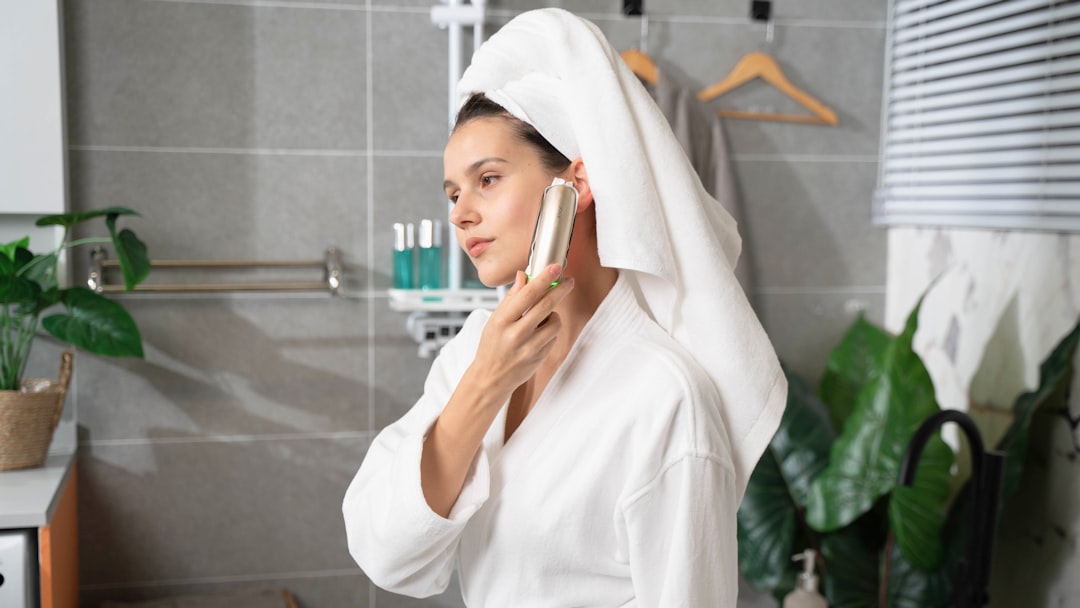
You noticed it last July. Maybe the August before that, too. Your Botox looked perfect heading into warm weather — smooth forehead, relaxed brow, crow's feet you'd almost forgotten were there. Then, somewhere around the six-week mark, things started moving again. Not dramatically, but noticeably. Enough that you found yourself wondering: did something go wrong, or does summer just do this?
You're not imagining it. And nothing went wrong. Summer really does affect how long Botox lasts — and once you understand why, you can make smarter decisions about timing, frequency, and whether a small adjustment is worth it before the heat fully sets in.
Why Heat and Botox Don't Always Get Along
Botox — and its close cousin Dysport — works by temporarily blocking the nerve signals that tell certain facial muscles to contract. The result is a relaxed, smoothed appearance that most patients enjoy for three to four months under normal conditions.
Heat changes those conditions in a few important ways.
When your body temperature rises — whether from sun exposure, intense workouts, or just spending long days outside — your circulation increases. That increased blood flow accelerates the rate at which your body metabolizes the neurotoxin. Think of it like ice in a glass: it melts faster in a warm room than a cool one. The Botox isn't going anywhere it shouldn't, it's just being processed more quickly than it would be in cooler months.
There's also the activity factor. Summer tends to come with more movement — more outdoor exercise, more weekend adventures, more of everything that gets your heart rate up. Muscle activity and elevated metabolism both contribute to faster breakdown of the neurotoxin, which is why very active patients often find their results don't last quite as long as they'd like year-round, and especially not in summer.
Sweating heavily and spending extended time in direct sun can compound this further. That doesn't mean you need to spend June through August indoors — it just means being intentional about how you time your treatments and what you do in the days immediately following an appointment.
So What Can You Actually Do About It?
The good news is you have more control over this than you might think. A few practical strategies go a long way.
Time Your Appointments Thoughtfully
If summer events matter to you — a wedding, a beach vacation, a reunion — work backward from that date. Because Botox typically takes seven to fourteen days to fully settle, scheduling your appointment two weeks before the event you care about gives you the best possible results at exactly the right moment.
If you know your results tend to fade faster in warm weather, scheduling slightly earlier in the season — before the heat really sets in — means you're starting from your strongest baseline.
Understand What a Touch-Up Actually Is
A Botox touch-up isn't a sign that something went wrong or that you need more product than before. Sometimes a small amount of additional neurotoxin in a specific area makes the difference between results that look great for three months versus results that look great for four. When it's done thoughtfully, a minor touch-up is a precision tool, not a patch job.
The key word there is thoughtfully. Not every twitch or hint of movement warrants an immediate return visit. This is why having a provider who knows your face — and is honest with you about what's worth addressing and what isn't — matters so much. If you're ever unsure whether what you're seeing is normal fading or something that genuinely deserves attention, that's exactly the kind of conversation worth having at your next visit.
Protect Your Skin From the Sun — Seriously
UV exposure doesn't directly degrade Botox, but it does degrade the overall quality of your skin in ways that make fine lines and texture more visible even when the neurotoxin is still active. Regular SPF use, protective clothing, and minimizing peak-hour sun exposure helps your results look as good as they genuinely are — rather than letting sun damage visually compete with them.
If you're dealing with existing sun damage on top of managing your Botox results, it may be worth exploring what a treatment like the right summer skin treatment can do to address both concerns at once.
Stay Hydrated and Avoid Extreme Heat Right After Treatment
In the 24 to 48 hours following a Botox appointment, it's worth being a little more careful than usual. Avoid saunas, steam rooms, and intense outdoor workouts during that window. The neurotoxin is still settling, and significant heat or physical exertion during this period can affect how it distributes. After that window closes, you're generally in the clear to resume normal summer activities.
Does This Mean You Need More Units in Summer?
Not necessarily — but it's a reasonable question to bring up with your provider. The right number of units for your face is based on your anatomy, the areas being treated, and your aesthetic goals, not the season. What might change is the timing of your follow-up visits. Some patients do well scheduling appointments every three months year-round. Others find that a slightly earlier check-in during summer months — or a small touch-up around the ten-to-twelve week mark — keeps them looking their best without ever feeling like they're overdone or under-treated.
There's no one-size-fits-all answer, which is precisely why a personalized approach matters. If you've ever felt like you were being handed a standard protocol rather than a plan built for you, that's worth noticing. The best outcomes come from providers who look at your face and your lifestyle together — not just a unit count on a clipboard.
What About Dysport? Does It Handle Summer Differently?
Dysport and Botox are both botulinum toxin type A products, so they're subject to the same general principles when it comes to heat and metabolism. Some patients feel that Dysport spreads a bit more naturally and kicks in slightly faster, which some find preferable depending on the treatment area. If you're curious about how the two compare in terms of duration and behavior, it's a genuinely good conversation to have — and one we're happy to walk through with you in detail. You can also get a head start by reading our breakdown of Botox vs. Dysport to understand how they differ before your next visit.
A Note on "Botox by the Unit" Conversations
You may have come across the phrase "1 unit botox syringe" in your research — it's a common search term that reflects how many patients think about dosing and cost. In practice, Botox isn't measured in syringes the way filler is. It's dosed in units, and the number of units appropriate for any given treatment area depends on factors like muscle strength, the degree of movement you want preserved, and the look you're going for. A thorough consultation will always cover this clearly, so you understand exactly what you're getting and why — not just a number that sounds right.
How Physician Artistry Approaches Summer Botox
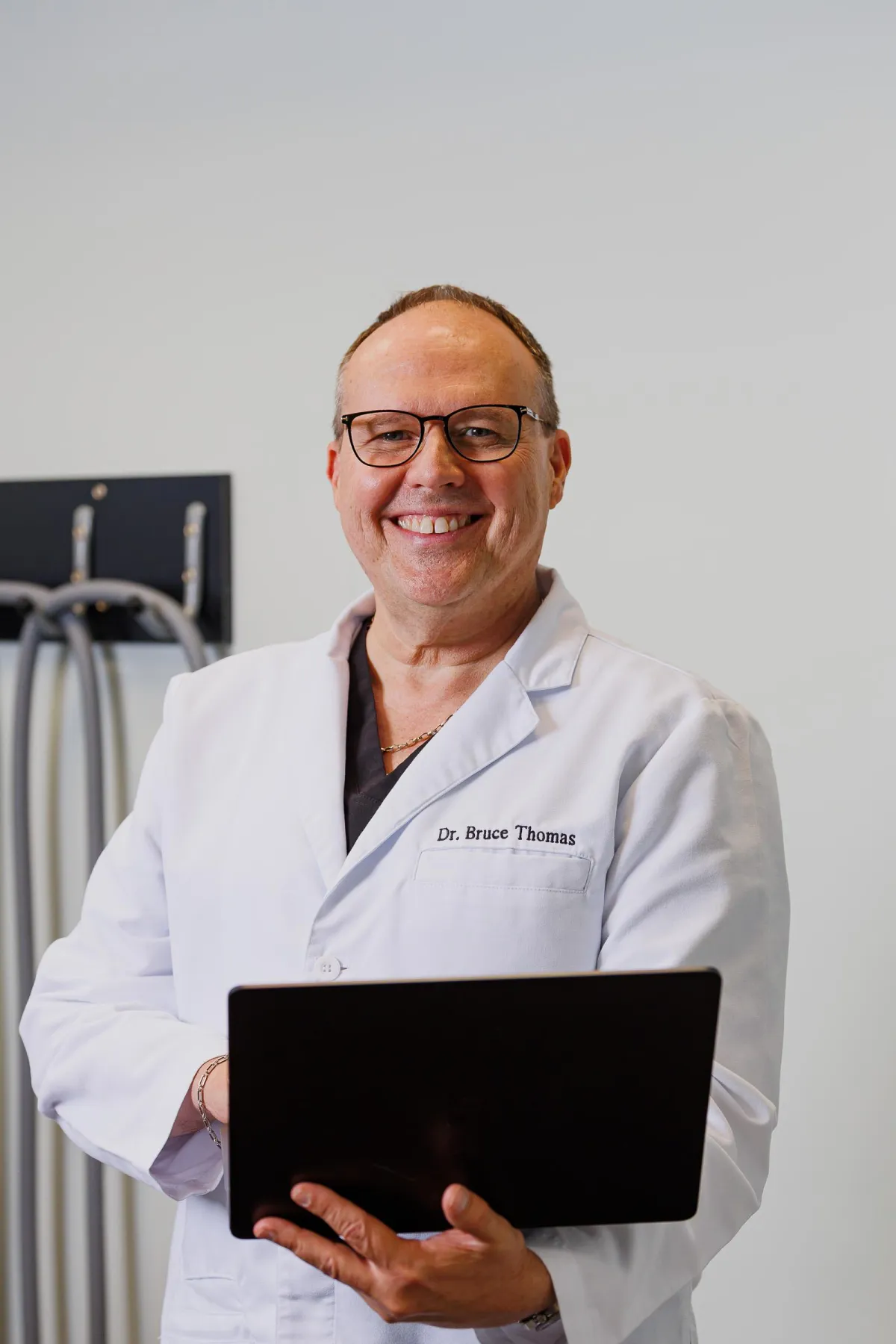
At Physician Artistry in Sterling, VA, every treatment plan is built around your face, your goals, and your life — including how you spend your summers. Dr. Thomas brings over 30 years of clinical expertise to every appointment, and patients consistently note that results feel natural, never overdone. As one patient put it: "Results enhanced my features without ever looking overdone."
We don't believe in chasing wrinkles with fear or booking you into a rigid treatment schedule that ignores how you actually live. If summer affects your results faster than fall does, we'll plan around that together. If a small touch-up makes sense, we'll tell you honestly. And if what you're seeing is totally normal fading that doesn't need anything right now, we'll tell you that too.
If you're thinking about building a personalized treatment plan that accounts for seasonal changes — or if you're just wondering whether your results are holding the way they should — we'd love to hear from you. A conversation costs nothing, and knowing what's right for your face is always worth it.
Ready to talk through your summer Botox strategy? Learn more about Botox at Physician Artistry or reach out to schedule a consultation with Dr. Thomas. We're here when you're ready.
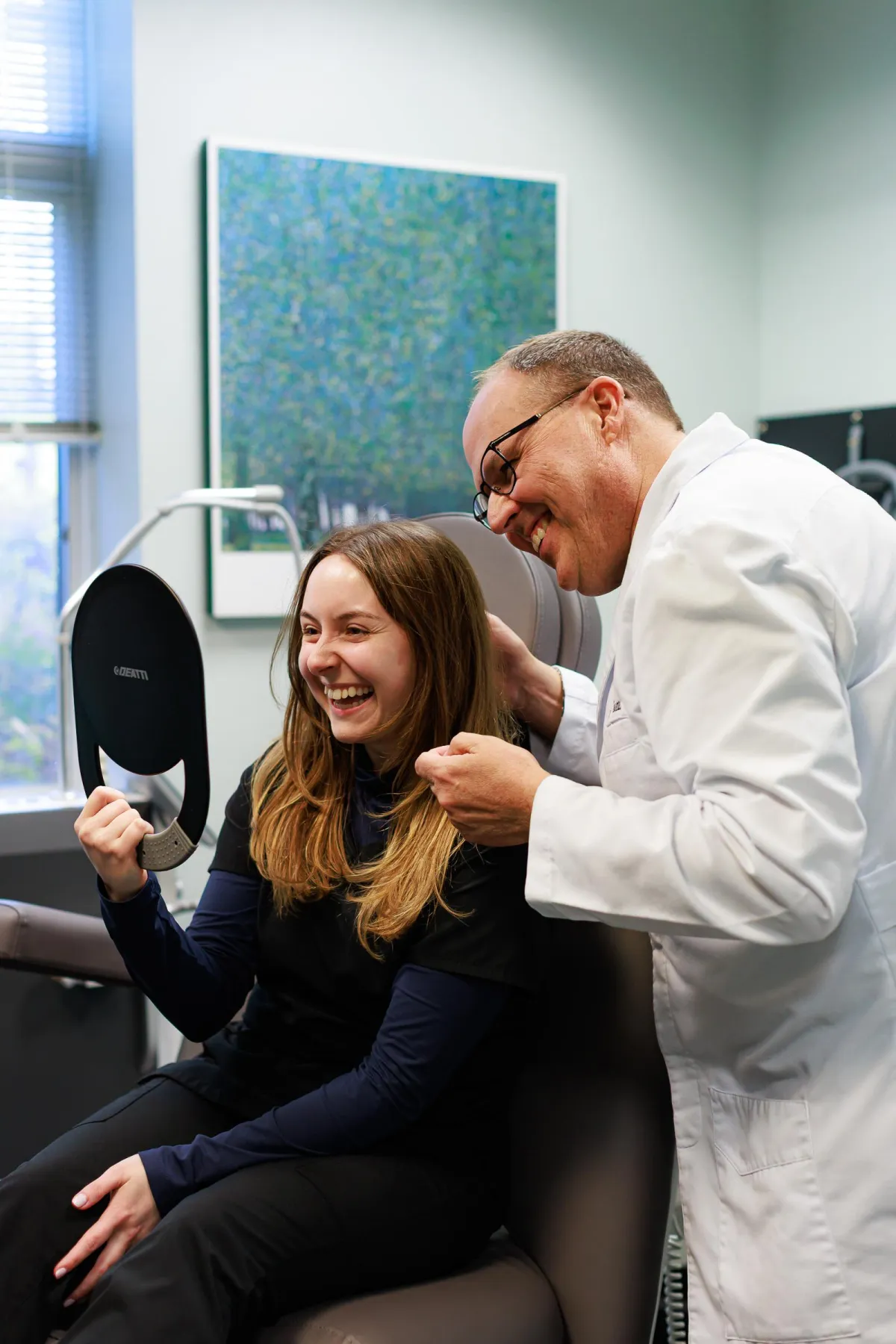
Start your transformation today!
Schedule your complimentary consultation with our friendly and knowledgeable team.