

You've upgraded your serums, started drinking more water, and maybe even switched to a "clean" moisturizer — and your skin still looks tired, inflamed, or older than it did a year ago. Before you blame another product, consider a possibility most skincare routines never address: cortisol.
Cortisol is your body's primary stress hormone, and when it stays elevated for months or years — from work pressure, poor sleep, caregiving, or the general weight of modern life — it doesn't just affect your mood or your waistline. It changes your skin at a structural level. Chronically high cortisol breaks down collagen, thins the skin barrier, increases inflammation, and disrupts oil production, which is why so many of our patients arrive describing a combination of dullness, breakouts, redness, and premature fine lines that showed up seemingly overnight.
This Isn't Just "Stress Skin" — It's Measurable
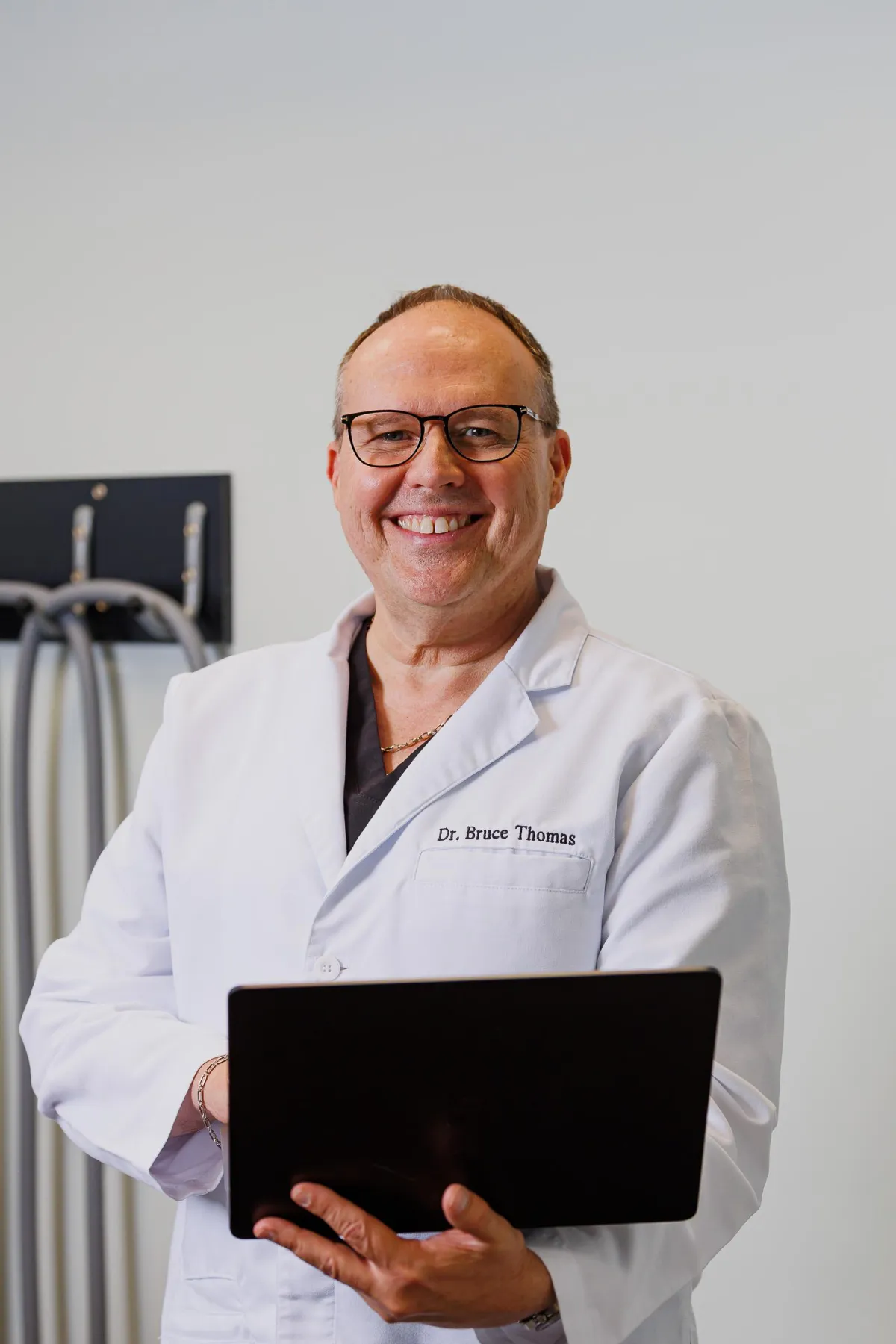
We understand why this feels frustrating to hear. "Reduce your stress" can sound like the kind of advice that's technically true but practically useless. Here's the difference: at Physician Artistry, we don't just tell you stress is aging your skin — we test for it. Dr. Thomas has spent over 30 years studying the relationship between hormones and how the body ages, and that includes cortisol panels, thyroid function, and the sex hormones that interact with it. We've written before about how cortisol reshapes the body after 50, and the same imbalance that stubbornly holds onto belly fat is very often showing up on your face at the same time.
We've also covered how stress accelerates visible facial aging in more detail — but the short version is this: cortisol and collagen are in a constant tug-of-war, and cortisol usually wins unless something intervenes.
Why Women in Perimenopause Feel This the Hardest
If you're in your 40s or early 50s, this pattern often compounds. Estrogen naturally protects collagen and skin thickness, and as it declines during perimenopause, your skin has less built-in resilience to buffer against cortisol's effects. We see this combination constantly — patients who are exhausted, wired-but-tired, and watching their skin lose firmness faster than expected. It's part of why we wrote about how perimenopause quietly drains energy before other symptoms even appear, and how estrogen decline can age skin faster than sun exposure. Stress hormones don't operate in isolation — they interact with everything else happening in your endocrine system.
What Actually Helps — Beyond "Just Relax"
This is where we take a genuinely comprehensive approach, rather than treating your skin and your hormones as separate problems. For many patients, the plan includes:
Hormone testing first. We don't guess. Thorough lab work tells us whether cortisol, thyroid, estrogen, or testosterone are driving what you're seeing in the mirror, and bioidentical hormone therapy can help restore balance when it's warranted.
Skin-level repair. While hormones are being addressed, treatments like Secret RF Microneedling stimulate genuinely new collagen production, helping reverse some of the structural thinning that chronic cortisol exposure causes — and it does so gently enough to fit into a stressed-out life rather than adding to it.
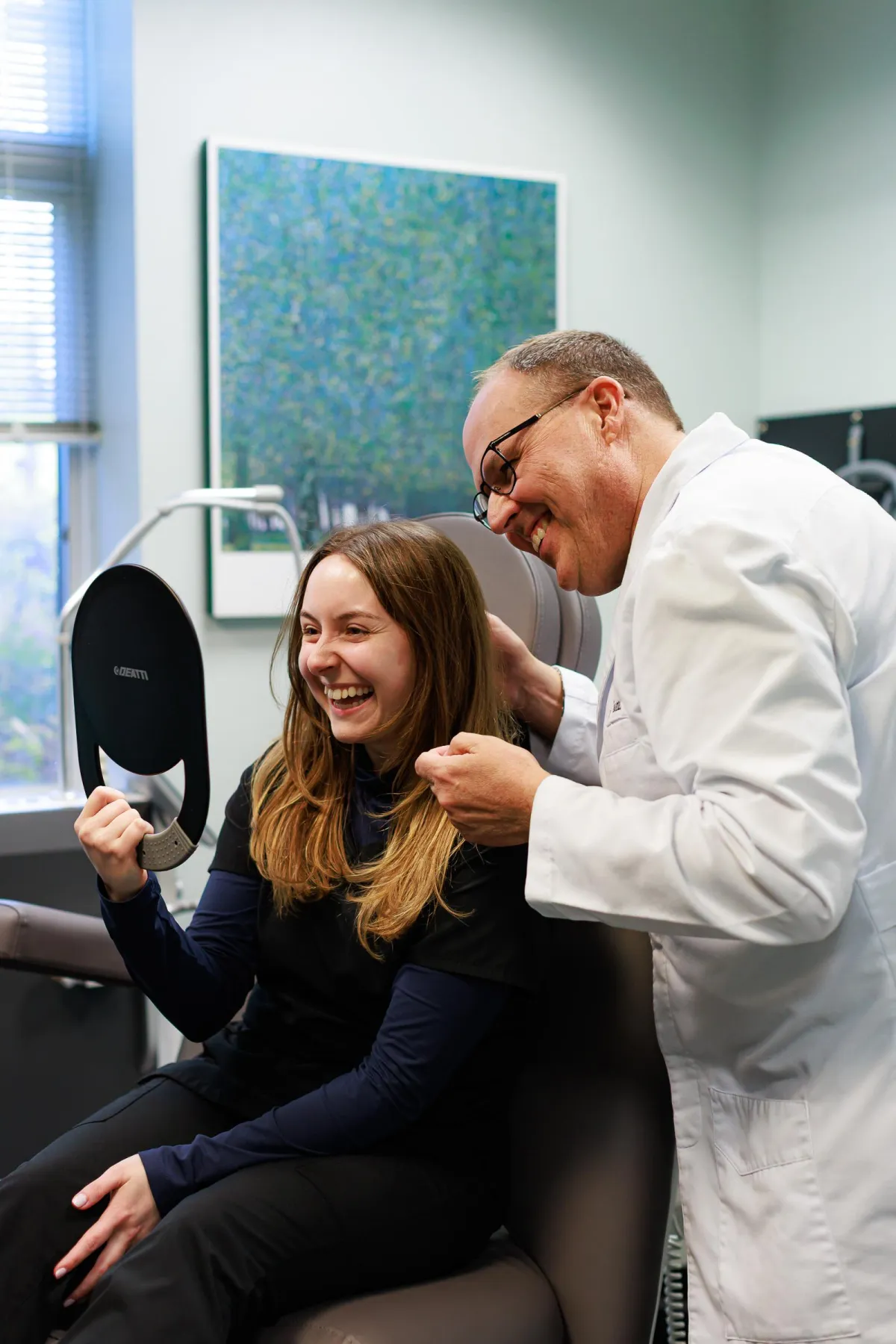
An honest, unrushed conversation. One of the things our patients mention most is that Dr. Thomas checks in on them well beyond the initial visit. Skin that's reacting to stress rarely resolves in a single appointment — it responds to a relationship with someone who's paying attention over time.
Choosing Where to Get Answers
If you've been searching for a medical spa in Sterling Heights, comparing options like Q Medical Spa or B Medical Spa and Wellness Center, or simply trying to figure out who will actually listen instead of upselling you a facial, we'd encourage you to ask one question of any practice you're considering: does a physician personally review your labs and design your plan? At Physician Artistry, that's not a marketing line — it's how every single patient is treated, because Dr. Thomas oversees each case directly, drawing on three decades of hormone and aesthetic medicine experience.
You don't have to accept tired, inflamed, or prematurely aged skin as the price of a demanding life. Your cortisol levels are measurable, your skin's response to them is treatable, and you deserve a team that looks at the whole picture — not just what's visible on the surface.
If any of this sounds familiar, we'd love to sit down with you, run the right labs, and build a plan that actually addresses what's happening underneath. That's the difference between guessing and knowing — and it's the kind of care we'd want for our own family.
Start your transformation today!
Schedule your complimentary consultation with our friendly and knowledgeable team.