If you've spent any time in skincare corners of the internet, you've heard of skin cycling. The concept — popularized on social media but grounded in legitimate dermatology — is simple: rotate your active ingredients on a strategic schedule so your skin gets the benefits without the burnout. Night one, retinol. Night two, exfoliant. Nights three and four, recovery. Repeat.
It works. Millions of people have noticed real improvements in texture, tone, and sensitivity just by being more intentional about what they put on their skin and when. So the natural next question is: can you apply the same logic to professional med spa treatments?
The answer is yes — and when it's designed well, a cycled treatment plan can produce results that your at-home routine simply can't replicate on its own.
What Skin Cycling Actually Means (And Why the Logic Holds)
The core idea behind skin cycling is that skin needs both stimulation and recovery. Push too hard without rest and you get inflammation, irritation, and a compromised barrier. Don't push hard enough and you plateau. The cycle creates a rhythm your skin can work with rather than fight against.
That same principle applies directly to professional treatments. Certain procedures intentionally create controlled stress in the skin — triggering collagen production, accelerating cell turnover, or clearing damaged tissue. That controlled stress is what produces results. But the recovery window that follows is just as important as the treatment itself. Skip it or compress it, and you don't just slow your results — you can actually set them back.
The problem is that most people approach med spa treatments the same way they approached their old skincare routine before skin cycling: without a structured plan. They book a HydraFacial when their skin looks dull, a chemical peel when someone mentions it, and Secret RF Microneedling whenever they can get an appointment. Each treatment does something individually. But without a rhythm, you're leaving a significant amount of results on the table.
The Science Behind "Cycling" Professional Treatments
When you undergo a treatment like microneedling or a chemical peel, your skin enters an active healing phase. Collagen synthesis ramps up. New skin cells are generated. The surface you're left with — after that process completes — is measurably different from what you started with.
But here's what most patients don't realize: that process takes time. The visible improvements you see at two weeks are not the final result. For collagen-stimulating treatments especially, the full picture can take three to six months to develop. Stacking aggressive treatments on top of an actively healing skin barrier doesn't double your results — it competes with them.
A well-designed treatment cycle accounts for this. It sequences procedures strategically, allowing each one to complete its work before the next begins, while keeping skin in an optimal state of both activity and repair throughout.
How a Med Spa Skin Cycle Might Actually Look
There's no universal template — the right sequence depends entirely on your skin, your goals, and where you're starting from. But here's a general example of how a thoughtful cycle might be structured for someone focused on texture, tone, and early signs of aging:
Month 1 — Foundation and Prep: A HydraFacial clears congestion, hydrates deeply, and brings the skin to a clean, receptive baseline. This isn't a passive step — it's preparation. Skin that's hydrated, clear, and balanced responds better to everything that follows.
Month 2 — Active Treatment: Secret RF Microneedling goes to work. The combination of microneedling and radiofrequency energy triggers a significant collagen response at multiple depths — addressing texture, pore size, fine lines, and firmness simultaneously. This is the "stimulation phase" of your cycle, and it deserves adequate recovery time afterward.
Month 3 — Recovery and Surface Refinement: While the deeper collagen remodeling from RF Microneedling continues beneath the surface, a lighter chemical peel or IPL Photofacial can address surface-level pigmentation, sun damage, or redness without interfering with that deeper work. This is your skin's version of the "recovery night" in a home cycling routine — not passive, but gentler and complementary.
Months 4–6 — Reassess and Refine: At this point, you have data. You can see what responded, what still needs attention, and what your skin is ready for next. Some patients repeat the cycle. Others layer in injectables at this stage — because skin that's been properly conditioned through a cycle responds to Botox and dermal fillers differently than skin that hasn't been.
Where Injectables Fit In
One of the most common questions patients have is whether Botox and fillers belong inside a skin cycling plan or exist separately from it. The honest answer: they're most powerful when they're part of the plan.
Botox relaxes the muscle movement that deepens lines over time. Fillers restore volume and structure. But neither of those things changes the quality of the skin itself. If you're treating muscle movement and volume while ignoring texture, tone, and collagen, you're addressing part of the picture. A complete cycle works on all layers — the surface, the dermis, and the structural elements underneath — in a coordinated way.
Timing matters here too. Receiving a filler treatment immediately before or after a resurfacing procedure isn't ideal. Spacing them thoughtfully — so your skin is calm when filler goes in, and healed when your next active treatment begins — protects both your investment and your results.
For a deeper look at how these two categories of treatment interact, this guide on combining skincare and injectables covers the sequencing in detail.
The At-Home Component Still Matters
Professional treatments and your home skincare routine aren't competing — they're designed to work together. Your skin cycling protocol at home primes your skin between appointments and extends the results of what happens in the treatment room.
A few principles that matter most when you're pairing home cycling with professional treatments:
- Don't use strong actives right after a procedure. The days immediately following microneedling or a peel are not the time for retinol or acids. Your skin's barrier is in repair mode, and disrupting that process slows results rather than accelerating them.
- Hydration is a treatment, not an afterthought. Recovery nights in your home routine should be genuinely focused on barrier repair — ceramides, peptides, and moisture — not just skipping the actives and going to bed.
- SPF is non-negotiable. Any treatment that addresses pigmentation, texture, or tone becomes substantially less effective if sun exposure is allowed to create new damage during the recovery window.
If you're navigating the interaction between specific skincare products and in-office procedures, this post on sequencing skincare and injectables addresses some of the most common questions patients bring in.
Why This Is Best Done With a Physician, Not a Treatment Menu
Here's where the trend diverges from the medical reality. A home skin cycling routine has some built-in forgiveness — if you use your retinol on the wrong night, your skin might be a little irritated for a day. Professional treatments carry more weight. The timing, intensity, and sequencing of procedures like RF Microneedling, IPL, and chemical peels need to be calibrated to your specific skin — its sensitivity, its history, its current condition, and your goals.
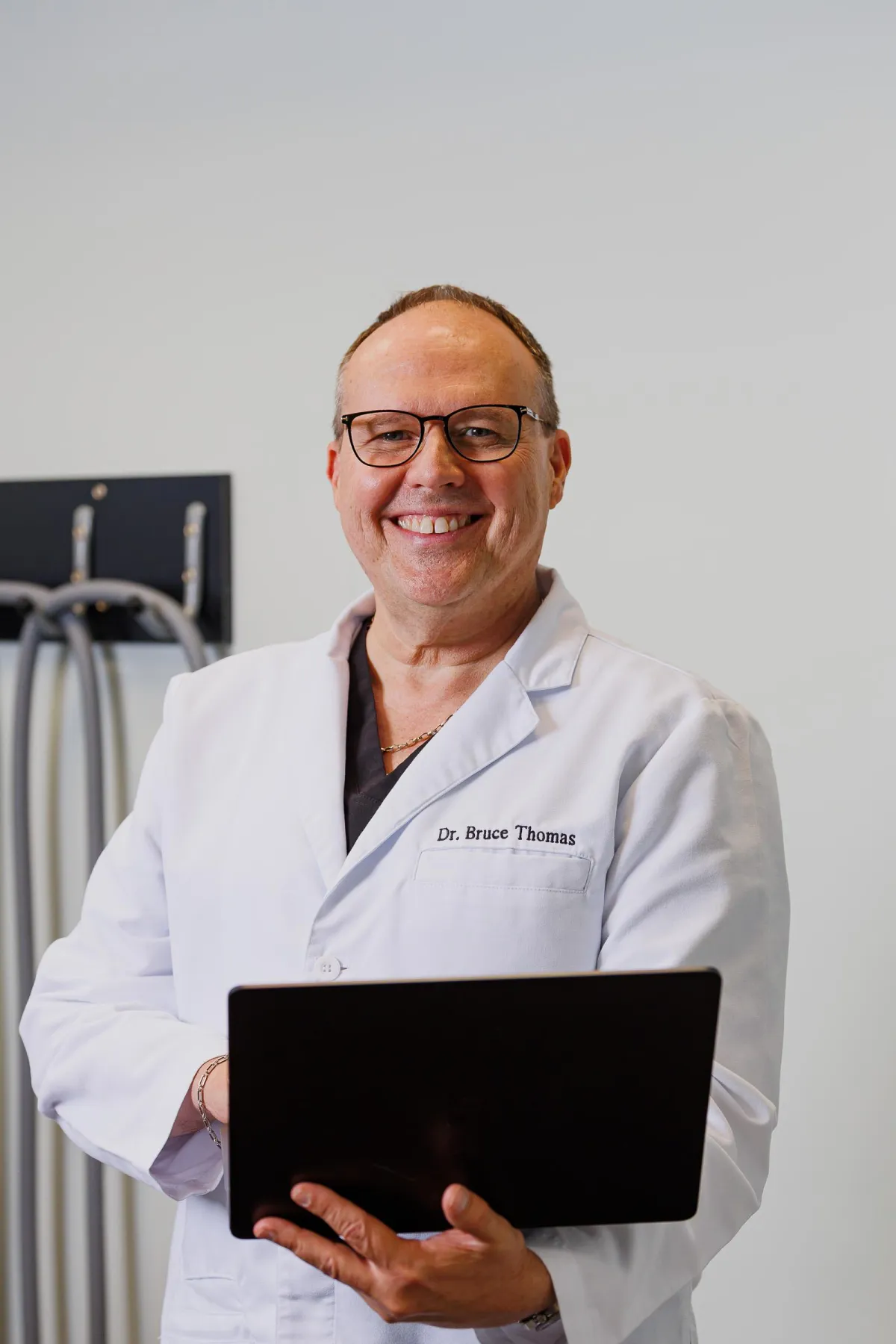
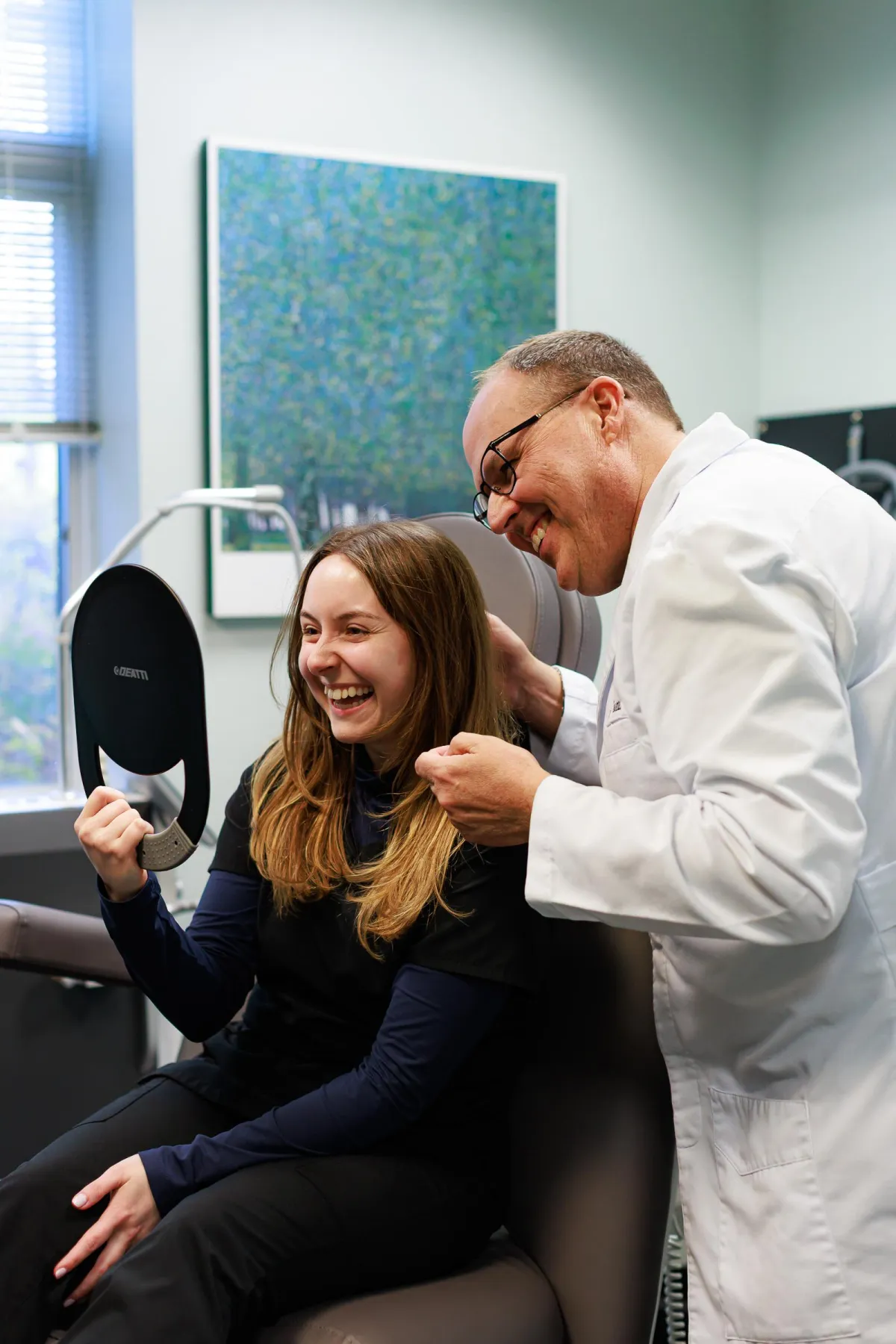
At Physician Artistry, every treatment plan is personally overseen by Dr. Thomas, whose more than 30 years of clinical experience means that sequencing decisions are grounded in medical understanding, not just aesthetics trends. That matters when you're talking about energy-based devices and controlled tissue injury — which is, at its core, what professional skin treatments are.
Patients consistently describe the approach here as "comprehensive and thoughtful" — not a menu of services, but an actual plan built around how their skin works and what it needs. That's exactly what good skin cycling is at the professional level: a plan, not a series of individual appointments.
If you're curious what a treatment cycle might look like for your specific skin concerns, this guide to building a personalized med spa treatment plan is a good place to start.
Common Questions About Skin Cycling at a Med Spa
Can I start a professional skin cycle if I've never had any treatments before?
Yes — in some ways, it's easier to build the right rhythm from the beginning than to correct a history of unplanned treatments. A first consultation is really about establishing your baseline and understanding what your skin needs most.
What if I've been getting treatments irregularly for years?
That's actually the most common scenario. Most patients come in having had some combination of HydraFacials, occasional peels, maybe some Botox — without a connecting strategy. Building a cycle from that starting point just means taking stock of where things stand and creating a sequence that moves you forward intentionally.
Does skin type affect which cycle is right for me?
Significantly. Skin that runs oily with enlarged pores responds to a different sequence than dry, sensitive skin dealing with fine lines and loss of firmness. This is one of the primary reasons a physician-guided plan matters — the same treatment sequence that produces excellent results in one person can be counterproductive in another.
How long before I see real results from a cycled plan?
It depends on where you're starting, but most patients notice meaningful improvement within three to four months of a structured cycle — with results that continue to develop for several months after certain treatments conclude. Collagen remodeling isn't an overnight process, and that's not a limitation — it's how lasting change is built.
The Bottom Line
Skin cycling works because it respects how skin actually functions — the balance between stimulation and recovery, activity and rest. That logic doesn't stop at your bathroom shelf. Applied to professional treatments, the same rhythm produces results that are more significant, more consistent, and longer lasting than unplanned appointments ever will.
If you're in Sterling, VA or anywhere in the Northern Virginia and DC metro area and want to understand what a real treatment cycle might look like for your skin, the team at Physician Artistry would be glad to talk through it with you. Dr. Thomas brings the clinical depth to make those decisions with real precision — and the kind of personal investment in your outcome that you won't find at a corporate chain.
Start where most good things start: with a conversation.