
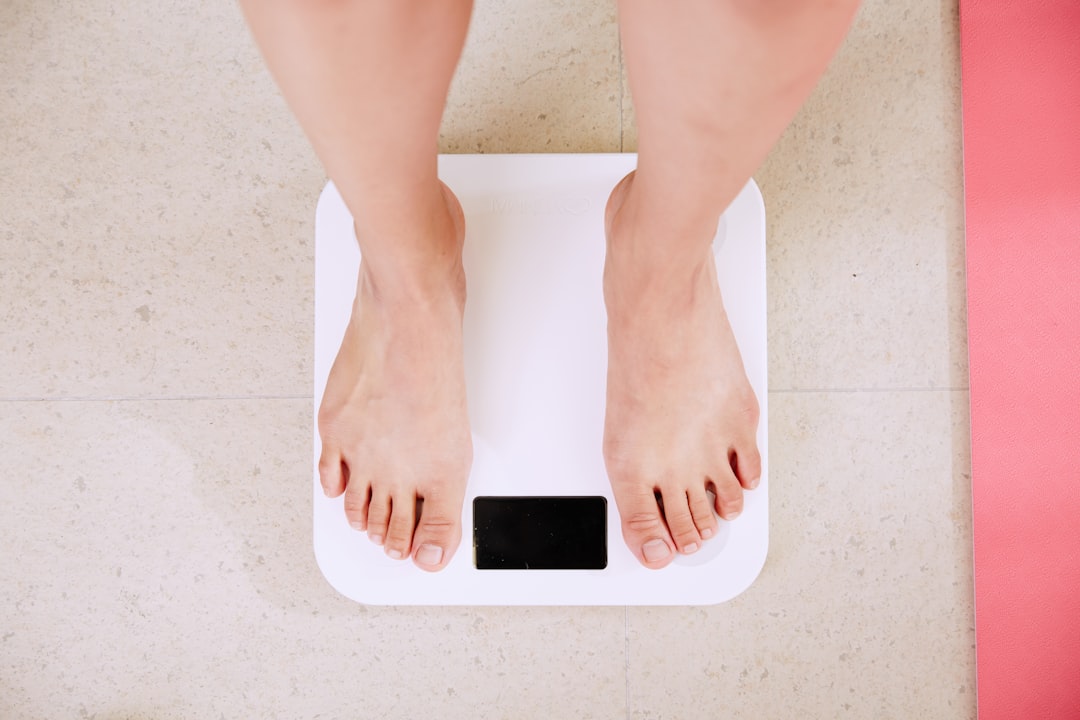
Semaglutide works. That's not in question anymore. Patients who've spent years cycling through diets without lasting results are losing 30, 40, even 55-plus pounds — and genuinely feeling like themselves again for the first time in years. That's worth celebrating, full stop.
But here's the conversation that doesn't get nearly enough airtime: what happens to your skin after that kind of weight loss. Especially if you're over 40. Especially if the weight came off quickly. And especially if you're already noticing that your face and body look a little... deflated.
This isn't a reason to second-guess your decision to pursue semaglutide. It's a reason to have a real plan — one that addresses both what you've lost in fat and what your skin now needs to catch up.
Why Skin Gets Loose After Semaglutide Weight Loss
Skin is remarkably adaptive, but it has limits. When fat is lost relatively quickly, the skin doesn't always have enough time to contract and remodel on its own. Add to that the natural decline in collagen and elastin that begins in your 30s and accelerates through your 40s and 50s, and you have a situation where your body composition has changed significantly — but your skin hasn't gotten the memo yet.
There's also a facial component that surprises a lot of patients. Fat pads in the face contribute to structure and fullness. When those shrink, you can be left with hollowing under the eyes, softened cheeks, and a jawline that looks less defined than it did before the weight loss — even if the number on the scale is exactly where you wanted it. This is sometimes called "Ozempic face," and it's genuinely common among patients on GLP-1 medications.
The good news? There are targeted, non-surgical options that address all of this — and they work best when you start thinking about them proactively, not after you've already lost the weight and feel frustrated.
The Treatments That Actually Make a Difference
Secret RF Microneedling — The Foundation of Skin Tightening After Weight Loss
If there's one treatment that consistently delivers the most meaningful improvement in skin laxity after significant weight loss, it's radiofrequency microneedling — and specifically, Secret RF Microneedling.
Here's what makes it different from regular microneedling: it combines the physical remodeling effect of microneedles with radiofrequency energy delivered precisely into the deeper layers of the skin. That combination triggers a sustained collagen and elastin rebuilding response — the kind that produces real, structural tightening over time rather than surface-level improvement.
For patients who've lost weight on semaglutide, Secret RF works particularly well on the face, neck, abdomen, and arms — all areas where loose or crepey skin tends to be most noticeable. Results continue to develop for three to six months after a series of treatments, which means the skin you see six months after your last session is better than what you see immediately after.
Patients who've had Secret RF done here have described results as "noticeably tightened and smoothed" — and that tracks with what we see clinically. It's not a dramatic, overnight change. It's a steady, compounding improvement that looks natural because it is natural — your own skin rebuilding itself.
Laser Skin Tightening — Resurfacing and Remodeling Together
For patients dealing with both texture changes and laxity — crepey skin, fine lines, and overall looseness — laser skin tightening after weight loss offers another powerful pathway. The Fraxel laser delivers controlled energy to the skin's surface and deeper layers simultaneously, promoting resurfacing while also stimulating the collagen rebuilding response underneath.
This is particularly effective for patients whose skin has developed a crepey quality — the fine, tissue-paper-like texture that often accompanies both aging and rapid fat loss. It's also useful for addressing sun damage, uneven tone, and other texture concerns that can become more visible once the fuller face of extra weight is gone.
Fraxel and Secret RF can be used in combination or in alternating treatment cycles depending on your specific skin concerns, the areas being treated, and where you are in your weight loss journey. That's a conversation worth having with a physician before you book anything.
Biostimulators — Rebuilding Volume and Structure Gradually
Loose skin after weight loss is partly a laxity issue and partly a volume issue. As the fat beneath the skin decreases, the skin above it loses its scaffolding. Biostimulators like Sculptra address this by triggering your body to produce new collagen gradually, adding subtle volume and structural support over several months rather than creating an immediate, filler-like result.
For patients who don't want to look "filled" but want their face to look less hollow and more structurally supported, biostimulators are often a better fit than traditional hyaluronic acid fillers. The results build naturally, they last longer, and they address the underlying collagen loss rather than just filling space.
If you want to understand the difference between biostimulators and fillers in more depth, this breakdown is worth reading.
Dermal Fillers — Restoring Facial Structure Where It's Needed Most
For the facial volume loss that comes with semaglutide-related weight loss, strategically placed dermal fillers can restore structure to the cheeks and midface, soften hollowing under the eyes, and redefine the jawline — all without looking overdone when placed by someone who understands facial anatomy.
The key phrase there is "strategically placed." Volume replacement after weight loss requires a different approach than standard filler for aging. The goal isn't to add fullness everywhere — it's to restore proportional structure to specific areas that have deflated, so the result looks like you at your best, not a different version of you.
If you're noticing changes in your cheeks, under-eye area, or overall facial definition since starting semaglutide, this piece on Ozempic face and fillers explains exactly what's happening and what can realistically be done about it.
Body Skin Tightening — Don't Forget Below the Neck
Most patients focus first on the face, which makes sense — it's what you see every day. But loose skin on the abdomen, inner arms, and thighs is often just as significant after substantial weight loss, and it deserves the same level of attention.
Secret RF Microneedling can be used on body areas as well as the face. For patients dealing with crepey skin on the arms or abdomen specifically, a series of treatments targeting those areas can produce meaningful improvement — not surgical-level tightening, but real, noticeable improvement in texture, firmness, and tone.
For more on treating loose, crepey skin on the body, this guide covers what's available and what to realistically expect.
Timing: When Should You Start Thinking About Skin Tightening?
The honest answer is: earlier than most people think.
Many patients wait until they've reached their goal weight before addressing the skin. That's understandable — you want to know where you're going to land before you start treating. But the reality is that starting skin tightening treatments while you're still in the process of losing weight (or shortly after you've hit a stable plateau) tends to produce better outcomes than waiting a year or more after the fact.
Collagen rebuilding takes time — typically three to six months per treatment series. The sooner you begin building that foundation, the more your skin can remodel in parallel with the fat loss, rather than playing catch-up afterward.
If you're currently on semaglutide and haven't yet thought about a skin support plan, this article on protecting your skin during weight loss is a good starting point.
What a Real Treatment Plan Looks Like
There's no single answer that works for every patient — and anyone who tells you otherwise isn't being straight with you. The right combination of treatments depends on how much weight you've lost, how quickly you lost it, where your skin is showing the most laxity, your age, your skin quality going in, and what you're actually hoping to achieve.
What works consistently, though, is a physician-led approach that looks at the whole picture: facial volume, skin quality, body laxity, and overall skin health. That means not just booking a single treatment because someone on social media recommended it, but sitting down with someone who can actually assess your skin and tell you what's likely to make the most difference for your specific situation.
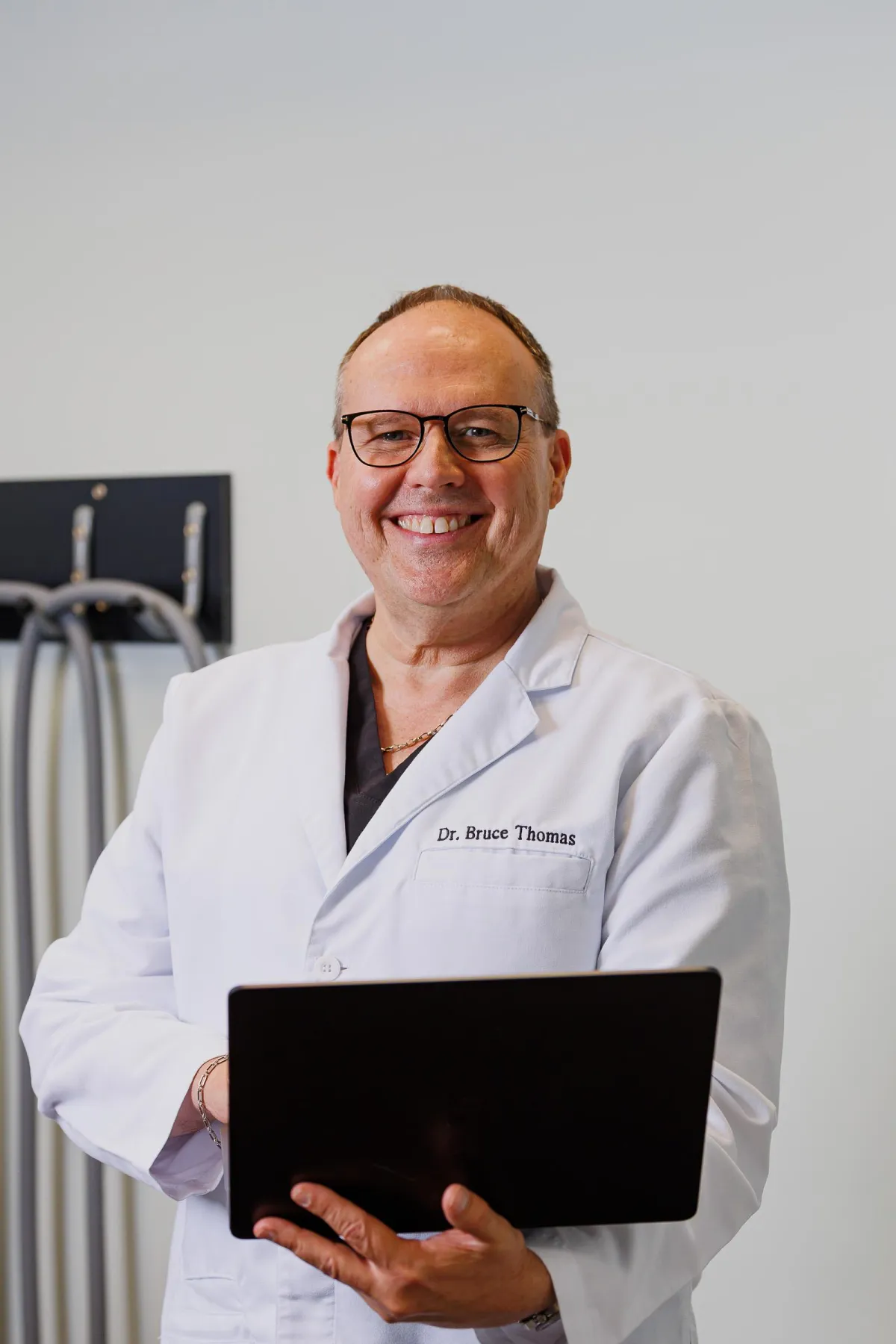
Dr. Thomas has spent over 30 years helping patients navigate exactly these kinds of changes — the kind that show up at the intersection of aging, hormones, weight, and skin health. If you're working through the skin side effects of semaglutide and want to know what would actually help, that's a conversation worth having in person.
You can also explore how to build a personalized treatment plan as a starting point for thinking through your options before your first appointment.
The Bottom Line
Losing weight on semaglutide is a real achievement — one that has genuinely changed how thousands of patients feel in their own bodies. Skin laxity after weight loss doesn't have to be the footnote to that story. With the right approach, it's entirely addressable — and the results, when done well, look like a natural extension of the transformation you've already worked for.
If you're near Sterling, VA or anywhere in the Northern Virginia and DC metro area and want to talk through what would work best for you, we'd love to help. Reach out to schedule a consultation and let's put together a plan that actually makes sense for where you are right now.
Start your transformation today!
Schedule your complimentary consultation with our friendly and knowledgeable team.