
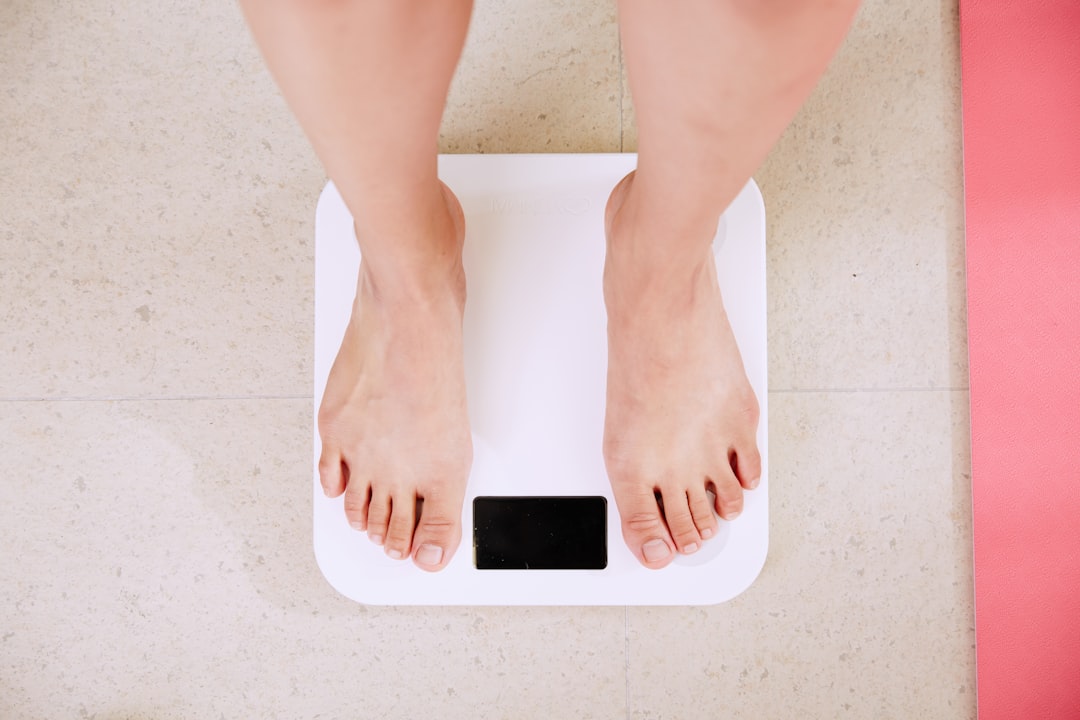
You started semaglutide and it's working. The number on the scale is going down, your clothes are fitting differently, and people are noticing. That part feels great. But somewhere along the way, you may have noticed something else — a softness that wasn't there before, a flatness in your arms, a sense that the weight you're losing doesn't quite feel like fat.
That's because some of it isn't.
Muscle loss during GLP-1 weight loss is real, it's common, and it doesn't get talked about nearly enough. If you're on semaglutide and living in the Sterling area, this is one of the most important conversations you can have right now — because the steps you take during active weight loss will determine what your body actually looks and feels like on the other side.
Does Ozempic Cause Muscle Loss?
This is one of the most searched questions among people who've been on semaglutide for a few months, and it deserves a straight answer.
Semaglutide (the active ingredient in Ozempic and Wegovy) works by suppressing appetite and slowing gastric emptying. You eat significantly less. You lose weight. But here's the biological reality: when the body enters a caloric deficit — especially a steep one — it doesn't pull exclusively from fat stores. It also draws from lean muscle tissue.
Studies suggest that anywhere from 25% to 40% of weight lost on GLP-1 medications can come from lean mass rather than fat. The number varies depending on your starting body composition, how much protein you're eating, how active you are, and how aggressively your appetite has been suppressed. But for most people, some degree of muscle loss is happening whether they feel it right away or not.
This matters for several reasons that go well beyond aesthetics:
- Muscle drives your metabolic rate. Losing it slows your metabolism, which makes maintaining your new weight harder after you stop the medication.
- Muscle protects your joints and supports posture. Less of it means more vulnerability to injury and pain over time.
- Muscle affects how your body looks. Fat loss without muscle preservation can leave you looking softer and less defined than you expected — even at a lower weight.
- Muscle is harder to rebuild than fat is to lose. Getting it back after the fact takes significantly more effort than protecting it during weight loss.
None of this means semaglutide isn't worth it. For the right patients, it's genuinely life-changing. But it does mean that the medication alone is not a complete strategy — and that a physician-guided approach to body composition matters enormously.
What "Body Composition" Actually Means
Most weight loss programs measure success in pounds. Body composition treatment looks at a completely different picture: the ratio of fat mass to lean mass in your body.
Two people can weigh exactly the same and look and feel completely different based on their body composition. Someone with more lean muscle and less body fat will have better energy, a faster metabolism, a more defined physical appearance, and lower long-term health risk — even if the scale reads identically to someone with higher fat and lower muscle mass.
When we talk about optimizing semaglutide results, what we're really talking about is preserving and improving your body composition throughout the weight loss process — not just watching the number go down.
What You Can Do About It
The good news is that muscle loss during GLP-1 therapy is not inevitable. It's manageable — especially when you're working with a physician who's paying attention to the full picture.
Protein intake matters more than most people realize. When appetite is suppressed, the instinct is to eat less of everything. But protein is the primary building block for muscle tissue, and your body needs adequate amounts even during weight loss. Most semaglutide patients benefit from prioritizing protein at every meal, even when overall food intake is low. A general target for active adults in a caloric deficit is 1.2 to 1.6 grams of protein per kilogram of body weight per day — though your specific needs depend on your health status and goals.
Resistance training is irreplaceable. Cardiovascular exercise is valuable, but it won't preserve muscle the way resistance training does. Lifting weights, using resistance bands, or doing bodyweight exercises that challenge your muscles sends a direct signal to your body to hold onto lean tissue. Even two to three sessions per week makes a meaningful difference. If you haven't started yet, it's not too late — but the sooner, the better.
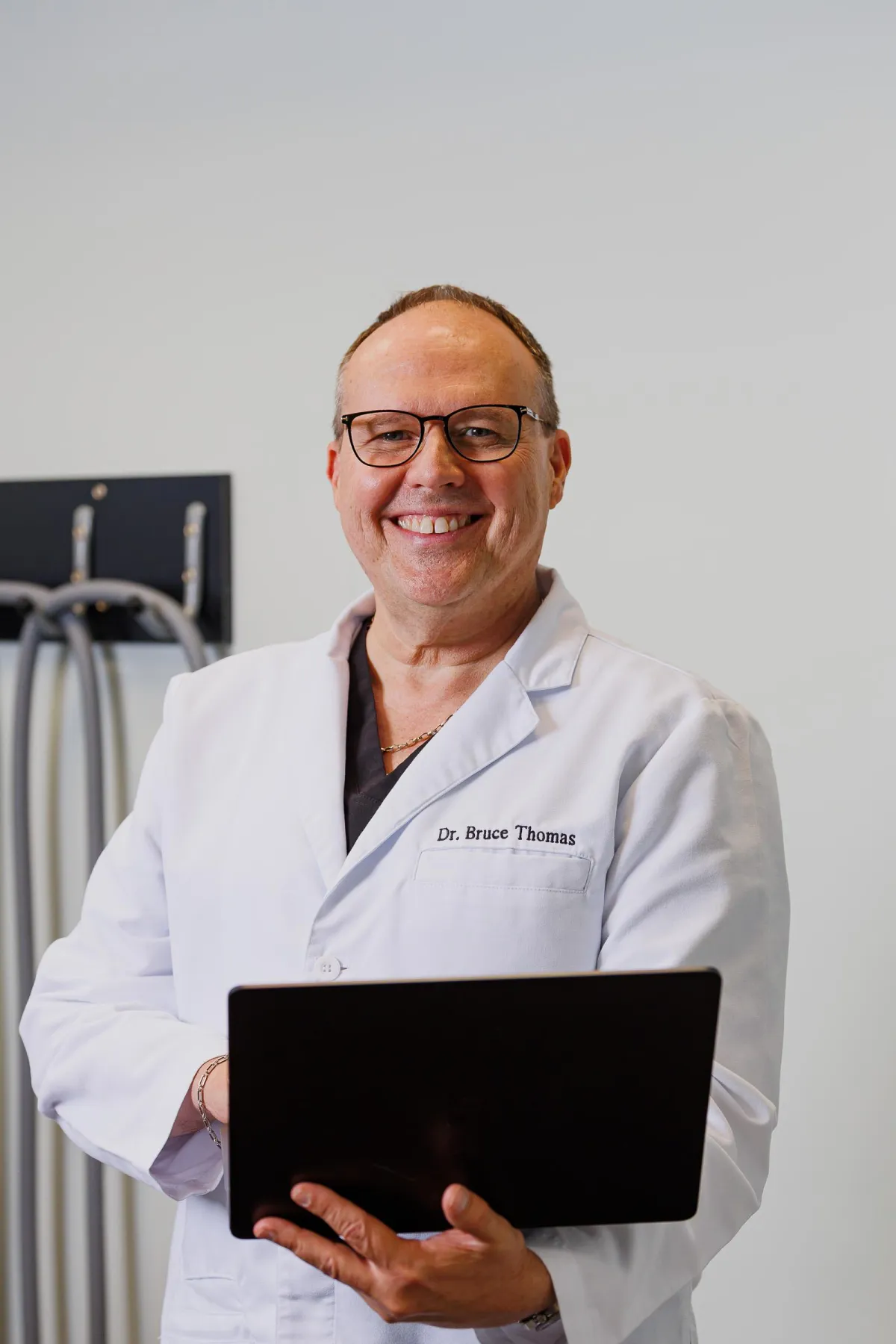
Physician oversight changes the outcome. This is where working with a practice like Physician Artistry is genuinely different from a telehealth prescription and monthly check-ins. Dr. Thomas brings over 30 years of clinical expertise in both aesthetic medicine and hormone therapy, and he approaches GLP-1 weight loss the same way — with comprehensive evaluation, ongoing monitoring, and a plan that considers your whole body, not just your weight.
For some patients, muscle loss is accelerated by underlying hormonal imbalances — particularly low testosterone in men or estrogen and progesterone shifts in women going through perimenopause. These aren't separate issues. They're directly connected to how your body responds to caloric restriction and whether it preferentially burns fat or lean tissue. If hormone optimization is appropriate for your situation, addressing it alongside your weight loss protocol can make a significant difference in your final body composition. You can learn more about testosterone therapy and bioidentical hormone replacement as part of a complete approach.
Spa Body Treatments That Support Your Results
Beyond nutrition, exercise, and hormones, there are body treatments that can meaningfully support your body composition goals — particularly as you approach your goal weight and want to refine what you're seeing.
CoolSculpting Elite is a non-surgical fat reduction treatment that targets localized pockets of stubborn fat that diet and exercise — and even GLP-1 medications — often struggle to reach. Areas like the lower abdomen, flanks, inner thighs, and upper arms are common concerns for patients who have lost significant weight but still have specific areas of fat that haven't responded. CoolSculpting Elite uses controlled cooling to reduce fat cells in targeted areas without surgery or downtime.
It's also worth knowing that rapid weight loss affects more than your body shape — it affects your skin. Many patients who lose significant weight on semaglutide notice changes in skin laxity, particularly on the face, neck, arms, and abdomen. We've written in depth about semaglutide and skin laxity and which med spa treatments actually help, and it's worth a read if this is something you're already noticing or want to get ahead of.
For patients concerned about facial volume changes during weight loss — what many people call "Ozempic face" — there are targeted solutions for that as well. You can read more about whether fillers can address Ozempic face and what a physician-guided approach to facial restoration looks like during active weight loss.
Secret RF Microneedling is one of the most effective non-surgical skin tightening treatments available, and it's particularly relevant for patients experiencing loose or crepey skin as they lose weight. By delivering radiofrequency energy deep into the skin through tiny microneedles, it stimulates collagen and elastin production — gradually firming and smoothing skin over a series of treatments. If you're interested in what this looks like in practice, our Secret RF Microneedling page has more detail.
A Note on Tirzepatide
If you're evaluating your GLP-1 options or wondering whether a different medication might give you better body composition outcomes, tirzepatide (Mounjaro, Zepbound) has shown promising results in clinical data — including some evidence suggesting it may preserve lean mass more effectively than semaglutide alone. We've put together a detailed comparison if you want to dig deeper: Tirzepatide vs. Semaglutide: Which Weight Loss Injection Wins?
The Difference Physician Oversight Makes
There are a lot of ways to get a semaglutide prescription right now. What's harder to find is a physician who will monitor your body composition throughout the process, flag hormonal issues that could be accelerating muscle loss, adjust your protocol based on how your body is actually responding, and think about what your results look like six months after you reach your goal weight — not just when the scale hits a number.
That's the approach at Physician Artistry. Over 5,000 patients have trusted Dr. Thomas with their care, and the outcomes patients describe — losing 55 pounds in a sustainable, healthy way, feeling like themselves again — reflect what happens when weight loss is treated as a medical process, not a transaction.
If you're currently on semaglutide or thinking about starting, and you want a comprehensive plan that protects your muscle, improves your body composition, and addresses the full picture of what your body is going through, we'd love to talk. Reach out to our team in Sterling, VA and let's start with a real conversation about where you are and where you want to be.
Start your transformation today!
Schedule your complimentary consultation with our friendly and knowledgeable team.