
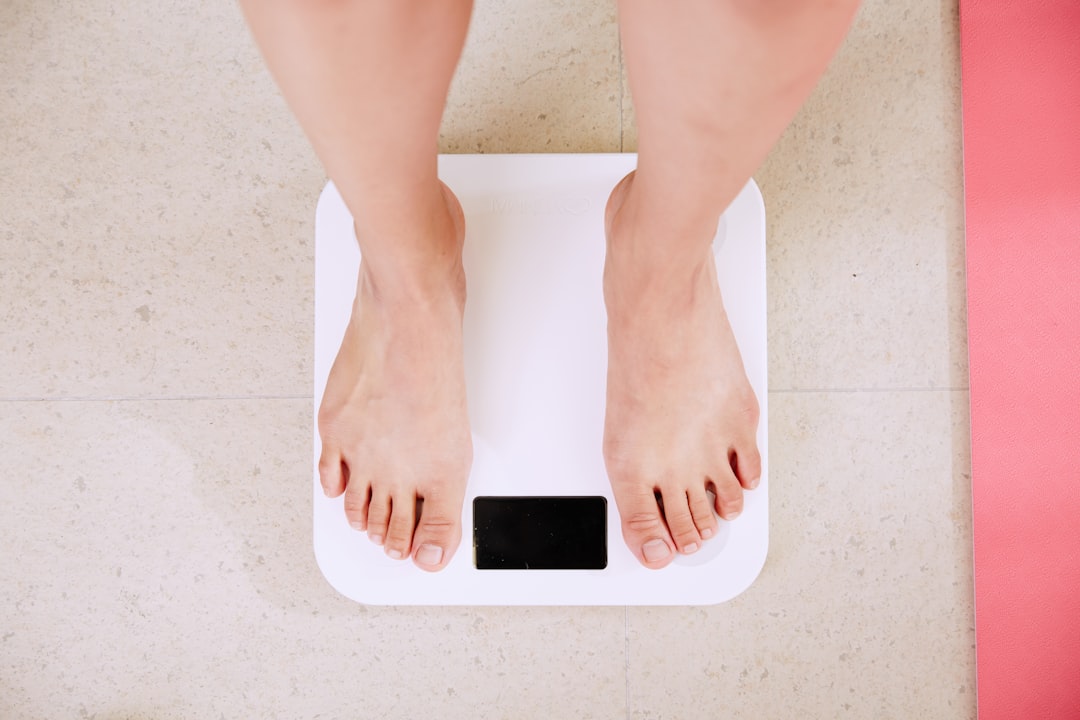
You started semaglutide feeling hopeful. The scale is finally moving, your clothes fit differently, and your energy has shifted. Then one morning you notice it — more hair in the drain, a slightly thinner ponytail, a part that looks wider than it used to. It can feel alarming, especially when you weren't warned it might happen.
Here's the reassuring truth: hair thinning during semaglutide treatment is real, it's common, and it's almost never permanent. Understanding why it happens — and what you can do to address it — puts you back in control of how this chapter of your health journey goes.
Why Does Semaglutide Cause Hair Loss?
Semaglutide itself doesn't directly attack your hair follicles. What's actually happening is a well-understood physiological response called telogen effluvium — a temporary shift in the hair growth cycle triggered by physical stress on the body.
Rapid weight loss, regardless of how it's achieved, places significant metabolic stress on the body. When your system senses that stress, it redirects resources away from non-essential functions — and hair growth, from a survival standpoint, falls into that category. Hair follicles that should be in an active growing phase get pushed into a resting phase prematurely. Several weeks or months later, that resting hair sheds — all at once, which is why the loss can feel sudden and dramatic even though the trigger happened earlier.
There are a few additional factors that can compound the shedding:
- Caloric restriction: Semaglutide suppresses appetite significantly. If your daily calorie intake drops sharply, your body may not be getting adequate protein, iron, zinc, or biotin — all nutrients that hair follicles depend on to stay healthy and active.
- Nutrient deficiencies: Even patients eating what feels like "enough" may be undernourished in specific micronutrients during rapid weight loss phases.
- Hormonal fluctuation: Significant changes in body composition can influence hormone levels, which in turn affect the hair cycle.
- Pre-existing vulnerability: Patients who already have some degree of androgenetic alopecia (genetic hair thinning) may find that the physiological stress of rapid weight loss accelerates what was already beginning to happen.
The good news is that for most patients, telogen effluvium is self-limiting. Once the body adapts to the new weight and nutritional balance is restored, the hair cycle typically normalizes on its own. But "waiting it out" isn't your only option — and for patients who are already noticing visible thinning, proactive treatment makes a meaningful difference.
How Much Hair Loss Is Normal on Semaglutide?
Some degree of increased shedding — noticing more hair on your pillow, in the shower drain, or on your brush — is common during periods of rapid weight loss. Most people shed between 50 and 100 hairs per day under normal circumstances. During telogen effluvium, that number can increase noticeably, but the loss is diffuse (spread evenly across the scalp) rather than patchy.
If you're seeing bald patches, significant recession at the temples or crown, or hair loss that seems to be progressing rather than stabilizing, that warrants a closer look. It's worth having a physician evaluate whether what you're experiencing is purely stress-related shedding or whether there are other contributing factors — hormonal imbalances, thyroid dysfunction, or underlying androgenetic alopecia — that should be addressed alongside your weight loss treatment.
At Physician Artistry, Dr. Thomas takes a comprehensive approach to exactly this kind of question. Rather than treating symptoms in isolation, he looks at the full picture — your GLP-1 protocol, your nutritional status, your hormone levels, and your hair loss pattern — before recommending a treatment path. That's the kind of thoroughness patients consistently describe when they talk about their experience here.
What Can You Do About Semaglutide Hair Loss?
There are several approaches that can meaningfully reduce shedding, support follicle health, and — in many cases — restore thickness that has already been lost. The most effective strategies work on multiple levels simultaneously.
1. Optimize Your Nutrition
This is foundational. Semaglutide's appetite suppression can make it genuinely difficult to consume adequate protein — and protein is the primary building block of hair. Most patients doing well on GLP-1 medications should be targeting at least 80–100 grams of protein per day, though individual needs vary.
Key nutrients to prioritize or supplement include:
- Protein (particularly leucine-rich sources like eggs, Greek yogurt, and lean meats)
- Iron (deficiency is one of the most common and overlooked causes of hair shedding in women)
- Biotin, zinc, and B vitamins
- Vitamin D
Bloodwork is the only reliable way to know whether you have actual deficiencies versus subclinical levels that are still affecting follicle function. A physician who monitors your labs — not just your weight — can catch these gaps early.
2. PRP Hair Restoration
Platelet-rich plasma (PRP) therapy is one of the most clinically supported treatments available for hair thinning, and it's particularly well-suited to the type of diffuse shedding that semaglutide patients experience.
Here's how it works: a small amount of your own blood is drawn, processed in a centrifuge to concentrate the growth factors, and then injected directly into the scalp at the level of the hair follicles. Those concentrated growth factors — including platelet-derived growth factor (PDGF), vascular endothelial growth factor (VEGF), and epidermal growth factor (EGF) — signal dormant or struggling follicles to shift back into an active growth phase.
PRP doesn't create new follicles. What it does is rescue follicles that are stressed or underperforming — which is exactly what's happening during telogen effluvium. For patients asking about 3 month PRP for hair loss before and after results, the honest answer is that most patients begin to notice a reduction in shedding within the first four to six weeks, with visible regrowth and increased density becoming apparent around the three-month mark. Photographs taken before and after a series of treatments consistently show meaningful improvement in thickness and coverage.
PRP works best when delivered as a series — typically three sessions spaced four to six weeks apart — followed by maintenance treatments. The earlier you begin, the more follicles you're working with, which is why we encourage patients to come in as soon as they notice increased shedding rather than waiting to see how bad it gets.
You can learn more about our PRP Hair Restoration service, and if you're curious about how PRP performs when combined with other regenerative approaches, our post on Combining PRP and Microneedling is worth a read.
3. PDGF+ Growth Factor Serum
For patients who want to support their PRP results between sessions — or who prefer a non-injection option — platelet-derived growth factor serums offer a complementary path. Our PDGF+ (Platelet-Derived Growth Factor) serum delivers targeted growth factor support topically, helping to create a more follicle-friendly scalp environment on an ongoing basis.
4. Address Hormonal Contributors
If you're in your 40s or 50s and noticing hair thinning alongside other symptoms — fatigue, changes in skin quality, mood shifts, reduced libido — it's worth considering whether hormonal changes are amplifying the effects of your weight loss on your hair. Estrogen plays a meaningful role in keeping hair in the growth phase, and declining estrogen levels during perimenopause or menopause can make follicles significantly more vulnerable to stress-related shedding.
Similarly, for men on semaglutide who are noticing more recession or crown thinning, testosterone levels and the conversion of testosterone to DHT (which shrinks follicles over time) are worth evaluating.
At Physician Artistry, hormone health and aesthetic medicine live under the same roof — which means Dr. Thomas can look at both dimensions of your health simultaneously. Our BHRT, Estrogen Therapy, and Testosterone Therapy options are all available as part of a broader treatment plan if hormonal factors are contributing to your hair loss.
5. Continue Your Semaglutide Treatment
This deserves to be said clearly: hair thinning during semaglutide treatment is not a reason to stop your weight loss journey. The risks of obesity — cardiovascular disease, metabolic dysfunction, joint deterioration — far outweigh the temporary stress of telogen effluvium. And stopping semaglutide abruptly won't immediately reverse the shedding, since the hair you're losing now reflects follicle stress that happened weeks ago.
The smarter path is to continue your semaglutide protocol while proactively supporting your hair and nutritional health in parallel. That combination — continued weight loss progress plus targeted follicle support — gives you the best of both outcomes.
If you've been reading about other ways semaglutide affects the body and appearance, our posts on semaglutide and muscle loss, semaglutide and skin laxity, and semaglutide skincare give a fuller picture of how to protect your appearance while your body changes.
What to Expect From PRP Hair Restoration at Physician Artistry
Your first appointment begins with a conversation — not a sales pitch. Dr. Thomas will review your current semaglutide protocol, your symptoms, and your goals. If bloodwork hasn't been done recently, he may recommend specific labs to rule out nutritional deficiencies or hormonal imbalances before proceeding.
The PRP procedure itself takes about 60 to 90 minutes from start to finish. Most patients find it very tolerable — a topical numbing agent is applied to the scalp prior to injections, and any discomfort is typically mild and brief. There's no downtime. You can return to normal activities the same day, though we ask patients to avoid washing their hair or using heavy styling products for 24 hours post-treatment.
Patients who come in for their three-month follow-up consistently report that the before-and-after difference is visible — not just to them, but to the people around them. The shed that felt alarming at the start has slowed. New growth is visible at the hairline. Volume and texture feel closer to what they remember.
That's not magic. It's biology, working with the right support.
You Don't Have to Choose Between Your Weight Loss and Your Hair
The patients who do best on semaglutide are the ones who treat it as a whole-body journey, not just a number on a scale. Hair health, skin quality, muscle preservation, hormonal balance — these all matter, and they're all things that can be actively supported while your weight loss continues.
If you're a Sterling, VA patient who is noticing hair thinning on semaglutide and want to understand your options, we'd love to talk. Dr. Thomas and his team are here to give you the comprehensive, thoughtful attention that this kind of concern deserves — not a quick answer, but a real plan.
Reach out to Physician Artistry to schedule a consultation. You've already done the hard part of starting. Let's make sure the rest of the journey looks and feels as good as the results you're working toward.

Start your transformation today!
Schedule your complimentary consultation with our friendly and knowledgeable team.