

If you've spent years covering acne scars with a thicker layer of foundation before every video call, every date, every trip to the grocery store — you already know the frustration that brings people through our doors. You've probably tried a retinol regimen that helped a little. Maybe a peel that helped for about six weeks. Maybe you'd simply made peace with the idea that this was just your skin now.
Patients across Sterling, Ashburn, Reston, and the wider Loudoun County area are telling us something different lately, and we want to walk you through why.
**What's Actually Happening Under the Surface**
Acne scarring isn't really a surface problem, even though it shows up on the surface. When inflammation from active breakouts damages the deeper layers of skin, the body's healing process doesn't always rebuild collagen evenly. That uneven rebuilding is what creates the pitting, the rolling texture, the shadowed depressions that catch light in a way smooth skin doesn't.
This is precisely why so many topical products fall short — they're working on skin that's already at the surface, while the scar's structural problem lives underneath it. Secret RF microneedling was designed to work at both levels at once. Fine needles create controlled micro-channels in the skin, and radiofrequency energy is delivered directly through those channels to the deeper tissue where the scarring actually originates. The combination triggers your body's own collagen production in a much more targeted, thorough way than needling or heat alone could manage.
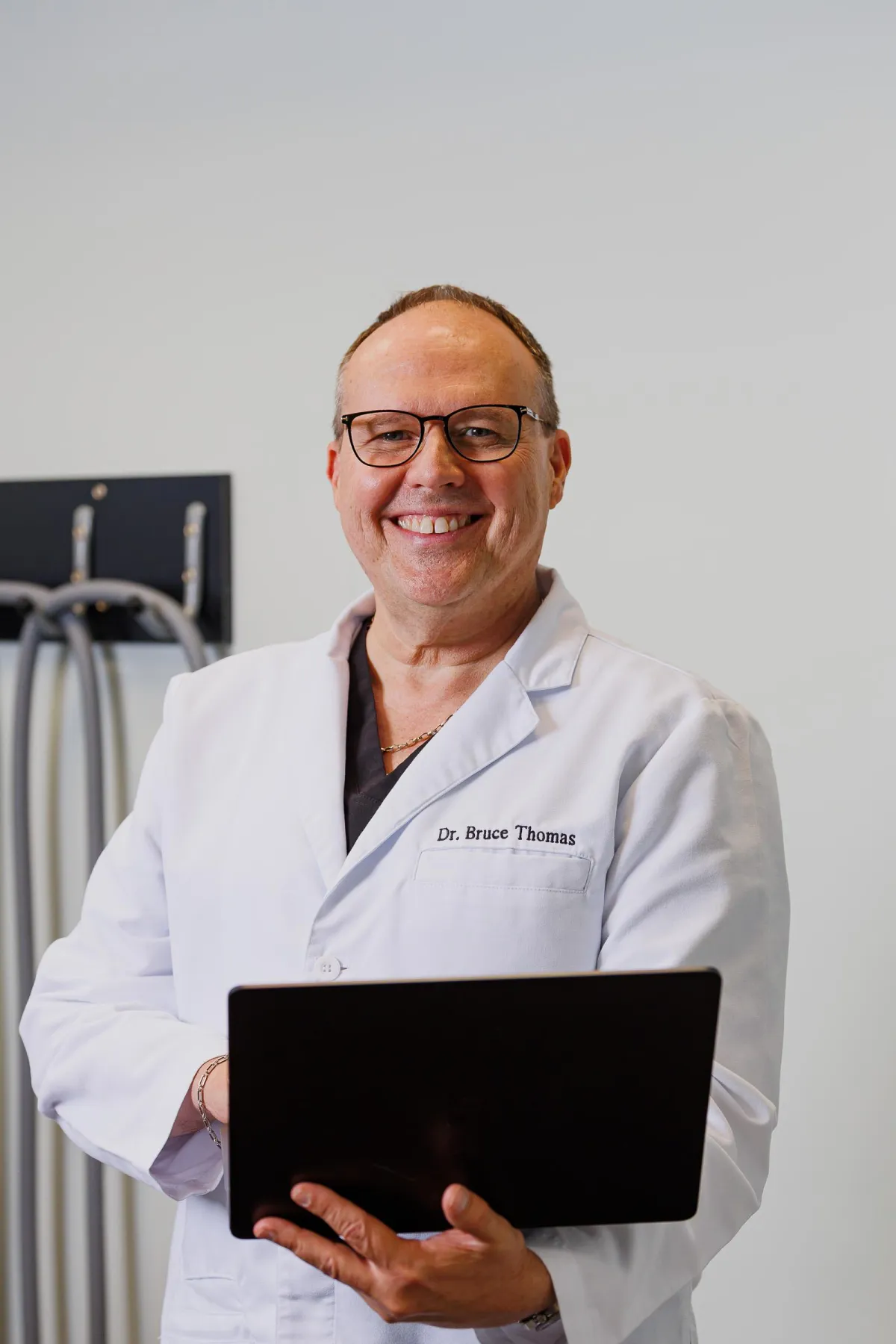
Dr. Thomas has spent over 30 years studying how skin heals, and one thing he tells patients often is that acne scars respond best to treatments that respect the layers of the problem rather than skimming past them. That's the whole premise behind Secret RF Microneedling — it's not a quick surface fix, it's a rebuilding process.
**What Our Sterling Patients Are Actually Reporting**
We hear a consistent theme in follow-up visits: patients are surprised by how much smoother their skin feels before they even notice the visual change. That tactile improvement — less texture under makeup, fewer visible pores, a more even canvas — tends to show up first. The reduction in scar depth and discoloration builds gradually over the following weeks as new collagen forms, which is exactly how it should happen. This isn't an overnight transformation, and we won't pretend it is. It's a series of sessions, typically spaced a few weeks apart, that compound on each other.
One thing patients mention often, and it genuinely means a lot to hear, is that they feel like themselves in photos again — not self-conscious, not angling their face a certain way to hide texture. That's the outcome we're actually working toward. Not "overdone," not "different" — just their own skin, working the way it was meant to.
**Why This Matters More in Northern Virginia's Climate**
Humidity, seasonal allergens, and the freeze-thaw cycle of a Mid-Atlantic winter all affect how acne-prone and scarred skin behaves throughout the year. We've written before about how spring pollen season triggers skin flares, and the same principle applies here — your skin's healing capacity fluctuates with the seasons, so timing your RF microneedling sessions thoughtfully makes a real difference in how well your results hold.
**How This Differs From Regular Microneedling**
We get this question constantly, and it's a fair one. Traditional microneedling creates physical micro-injuries that prompt healing and collagen production. Secret RF does that too, but it adds radiofrequency energy delivered through the needle tips, reaching deeper into the dermis without needing to damage the surface layer as aggressively. For scarring specifically, that depth of penetration tends to matter quite a bit. We've broken this comparison down in more detail in our full guide on RF microneedling versus regular microneedling, and patients considering options often find it clarifying before their consultation.
It's also worth mentioning how this stacks up against other RF-based devices on the market. If you've been researching Morpheus8 versus RF microneedling, you're not alone — it's one of the more common questions we field from patients in Fairfax and Arlington who've done their homework before ever stepping into the office.
**A Personal, Physician-Guided Process**
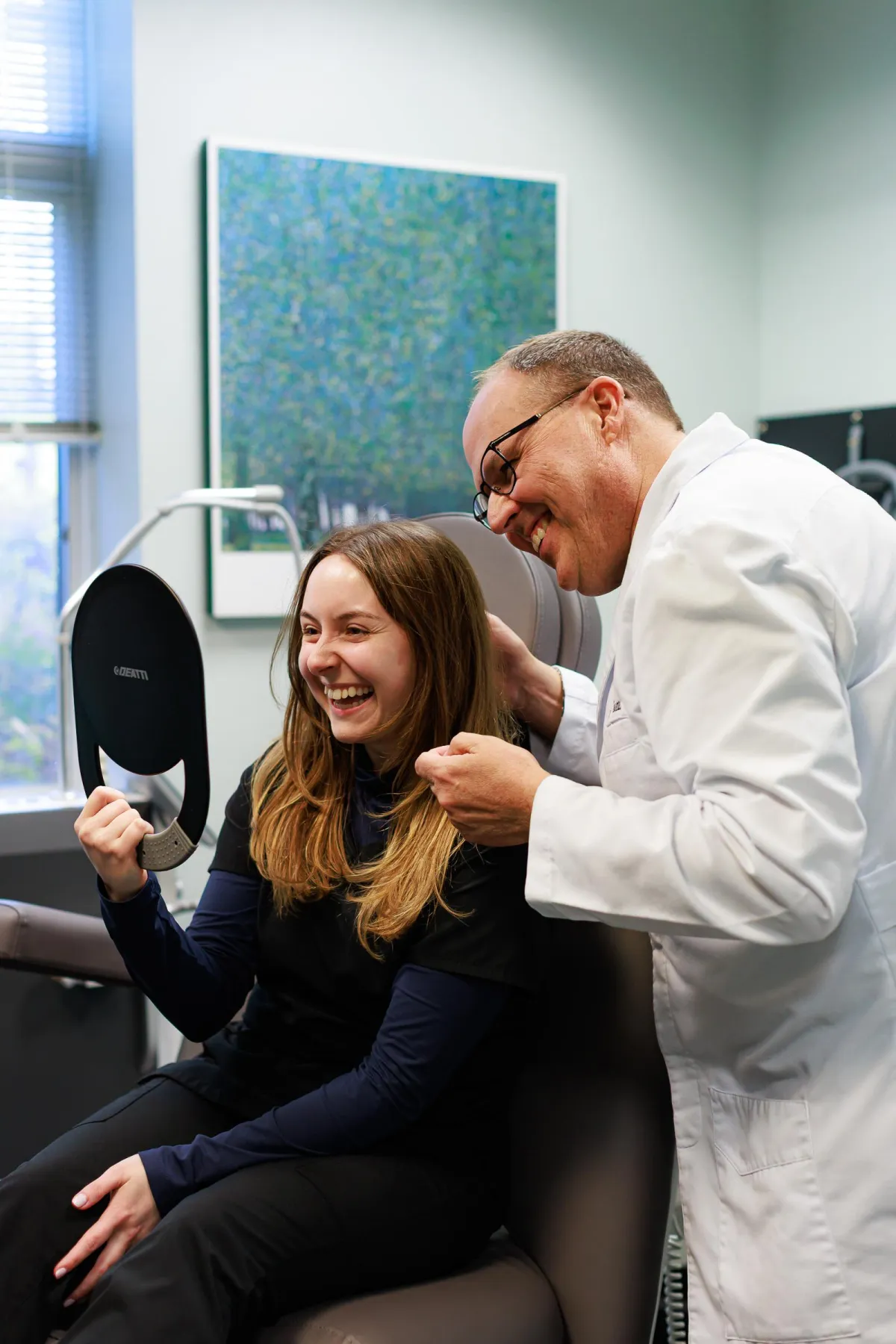
Every treatment plan at our practice starts with Dr. Thomas personally evaluating your skin — the depth of your scarring, your skin type, your history with breakouts, and what your realistic timeline should look like. We don't hand you a generic protocol. We build a plan around what your skin actually needs, and we check in with you along the way, because that's simply how we operate. Patients tell us often that this ongoing attention is what set their experience apart from other places they'd tried, and we take that seriously.
If you're curious whether this approach could work for your particular scarring pattern, we've also put together a deeper resource on treating acne scars and uneven texture with RF microneedling that walks through candidacy and expectations in more depth. And if you're weighing your broader options for skin resurfacing, our piece on whether RF microneedling is worth it covers the cost and results conversation honestly, without the sales pitch.
**Ready to Talk Through Your Skin's History?**
You don't need to arrive with the perfect vocabulary to describe your scarring or a decade of research already done. Come in, sit down with Dr. Thomas, and let's talk through what your skin has been through and where it can go from here. That's genuinely how every one of our 5,000-plus patient relationships has started — with a conversation, not a sales pitch.
Start your transformation today!
Schedule your complimentary consultation with our friendly and knowledgeable team.