If you've been researching ways to address volume loss, sagging, or that gradual hollowness that seems to creep in after 40, you've probably come across two names that keep coming up: Sculptra and Radiesse. They're both called collagen stimulators, they both promise longer-lasting results than traditional fillers, and they both have genuinely impressive track records. But they work differently, feel differently in the skin, and are better suited to different goals — and knowing those distinctions can make a real difference in whether you walk away thrilled with your results or wondering why something felt slightly off.
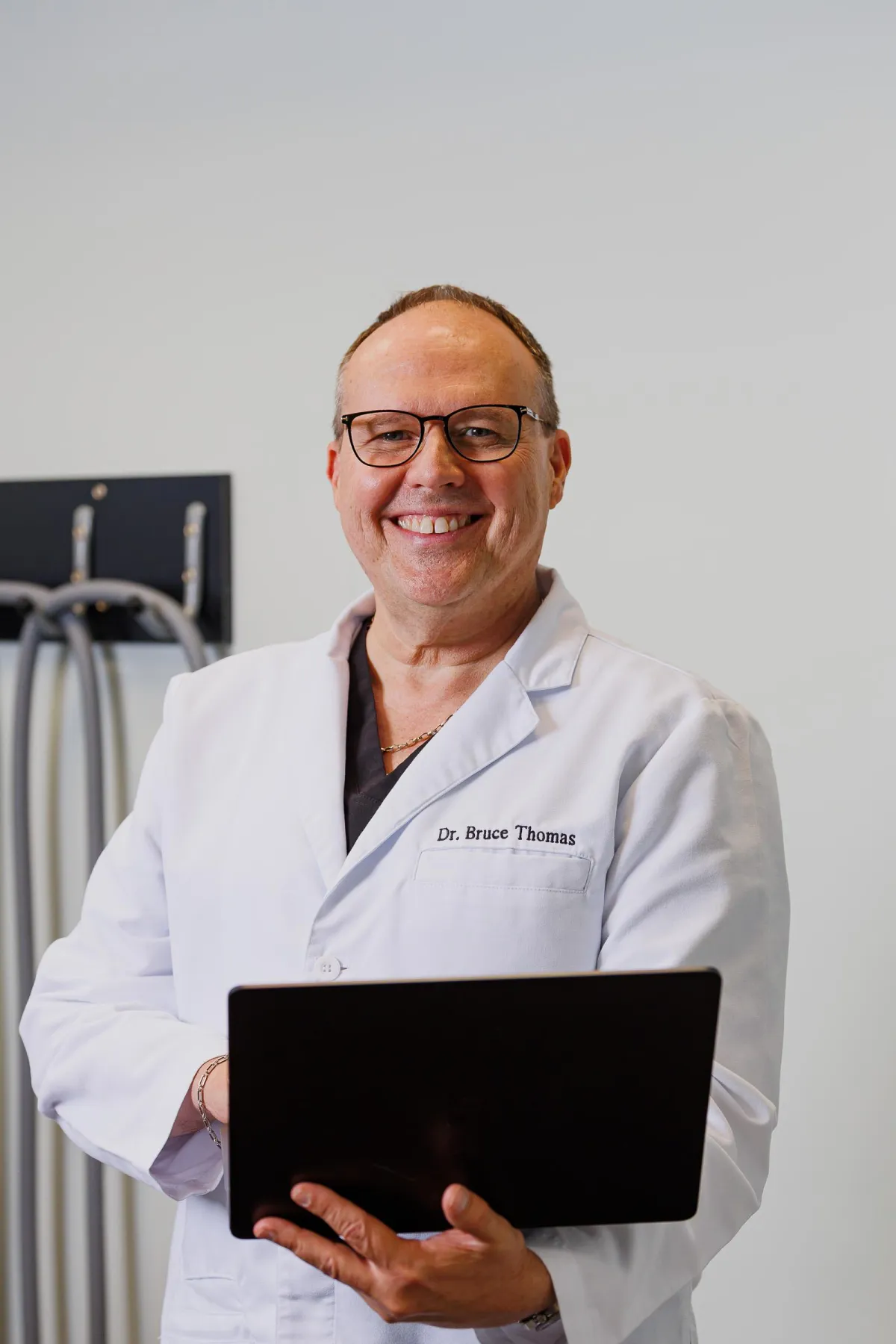
At Physician Artistry in Sterling, VA, Dr. Thomas has spent over 30 years helping patients navigate exactly these kinds of decisions — not by recommending whatever is trending, but by listening carefully to what each person actually wants and building a plan that fits. Whether you're here to do your homework before a consultation or you're genuinely trying to decide between these two treatments, this guide will give you the honest, clinically grounded picture.
What Makes Collagen Stimulators Different from Regular Fillers?
Most traditional dermal fillers work by adding immediate volume to a targeted area. You go in, product is placed, and you leave looking refreshed. The results are real, but they depend on the filler itself physically occupying space beneath the skin. When it gradually breaks down — typically over 12 to 18 months, depending on the product — the volume goes with it.
Collagen stimulators take a different approach. Rather than simply adding volume, they trigger your skin's own biology to produce new collagen. The filler material itself eventually gets absorbed, but what it leaves behind — the collagen your own cells have generated — stays. This is why collagen stimulators tend to deliver results that look more gradual and natural, and why those results can last significantly longer.
It's also why they require a different mindset going in. If you're looking for a noticeable change before a wedding in three weeks, a collagen stimulator probably isn't your best path. But if you're thinking about your face a year or two from now — about looking like a well-rested, naturally youthful version of yourself rather than someone who "had something done" — these treatments deserve serious consideration. You can read more about this topic in our post on what collagen loss is and how to rebuild it after 40.
Sculptra: The Long-Game Collagen Builder
Sculptra is made from poly-L-lactic acid (PLLA), a biocompatible synthetic material that has been used in medicine for decades — originally in dissolvable sutures. When injected into the deep dermis, it acts as a kind of scaffold that gradually stimulates fibroblasts (the cells responsible for collagen production) to get to work. Over the following weeks and months, new collagen forms around the microparticles, and volume builds slowly and naturally.
Here's what that means in practice: after a Sculptra session, you may not see dramatic results right away. In fact, you'll notice some initial swelling that gives a preview of volume, followed by a period where that swelling resolves and things look fairly similar to how they started. The real results build over two to three months — and continue improving for up to six months after your final session. Most patients need two to three sessions spaced about four to six weeks apart.
The payoff for that patience is significant. Sculptra results are widely reported to last two years or more, and many patients see benefits well beyond that with appropriate maintenance. Because the volume is built from your own collagen rather than injected product, the results tend to look exceptionally natural — gradual, dimensional, and integrated with your actual facial anatomy rather than sitting on top of it.
Where Sculptra shines:
- Diffuse volume loss across the midface, temples, and cheeks
- Patients who want a subtle, progressive refresh rather than an immediate transformation
- Skin laxity and loss of structural support, especially in the lower face
- Anyone who wants the longest possible duration and the most natural-looking outcome
- Patients comfortable with a multi-session protocol and a gradual timeline
What to keep in mind: Sculptra requires careful injection technique and precise post-treatment massage to ensure even distribution of the microparticles. In experienced hands, this is a well-managed and highly predictable process. This is also why the injector's skill and clinical knowledge matter enormously with Sculptra — it's not a treatment to pursue based on price alone. You can learn more about what makes Sculptra distinct in our detailed post on how Sculptra differs from regular fillers.
Radiesse: Immediate Volume with Long-Term Collagen Benefits
Radiesse is made from calcium hydroxylapatite (CaHA) microspheres suspended in a gel carrier. Calcium hydroxylapatite is a substance found naturally in bone and teeth, and it's been FDA-approved for facial volume restoration for many years. When injected, Radiesse does two things simultaneously: the gel carrier provides immediate visible volume, while the CaHA microspheres stimulate collagen production over time.
This dual action is what makes Radiesse feel more familiar to patients who are used to traditional fillers. You'll see results right away — fuller cheeks, a more defined jawline, restored structure — and those results continue to improve and evolve as collagen builds in the weeks and months that follow. Most patients see results lasting 12 to 18 months, though with good skin health and follow-up treatments, some patients extend that significantly.
Radiesse also has a firmer consistency than many hyaluronic acid fillers, which makes it particularly effective for structural areas of the face — places where you want lift and definition, not just soft volume. It's also used off-label for hand rejuvenation, where volume loss and skin thinning create a bony, aged appearance. You can read more about that specific application in our post on treating hand aging and restoring volume to crepey hands.
Where Radiesse shines:
- Patients who want to see results immediately after treatment
- Structural areas like the cheeks, jawline, and chin
- Restoring definition and lift in the lower face
- Hand rejuvenation
- Patients who prefer a single-session approach with a shorter timeline to visible results
What to keep in mind: Because Radiesse is not reversible with hyaluronidase (the enzyme used to dissolve hyaluronic acid fillers), placement precision is particularly important. It's also not typically used in the lips or directly under the eyes, where softer, more pliable products are preferred. If you're interested in treating hollow under-eyes or tear troughs, or enhancing lip volume, those areas would generally call for a different approach.
Sculptra vs. Radiesse: A Direct Comparison
Let's put the key differences side by side so you can see the picture clearly.
| Factor | Sculptra | Radiesse |
|---|---|---|
| Active ingredient | Poly-L-lactic acid (PLLA) | Calcium hydroxylapatite (CaHA) |
| How it works | Stimulates collagen over time; no immediate volume | Immediate volume + gradual collagen stimulation |
| When you see results | Gradually, over 2–6 months | Immediately, with continued improvement |
| Number of sessions | Typically 2–3 sessions | Often 1 session (may vary) |
| Duration of results | 2+ years (often longer) | 12–18 months |
| Reversible? | No | No |
| Best for | Diffuse volume loss, gradual collagen rebuilding, long-term rejuvenation | Structural definition, immediate lift, jawline and cheek contouring |
| Texture/consistency | Liquid suspension; builds volume gradually | Firm gel; provides structural lift |
Can You Use Sculptra and Radiesse Together?
Yes — and for many patients, a combination approach delivers the most complete and natural-looking outcome. Sculptra may be used across broader areas to gradually rebuild diffuse collagen and soft tissue support, while Radiesse provides immediate structural definition in specific zones like the jawline or chin. Think of it as addressing both the foundation and the architecture of the face at the same time.
This kind of layered, personalized approach is something Dr. Thomas thinks about carefully during every consultation. Rather than applying a single-product formula to every patient, the goal is to understand your face, your history, your timeline, and what you actually want to see — then build a plan that gets you there. If you're curious about how multiple treatments can work together, our post on combining Botox and fillers for a full-face refresh explores that thinking in more depth.
It's also worth noting that collagen stimulators are often part of a broader treatment plan. Patients who are already using Botox for dynamic lines, or who are considering Secret RF Microneedling for skin texture and tightening, often find that adding a collagen stimulator to the mix creates a more comprehensive and cohesive result. These treatments address different layers and mechanisms of aging — and when planned thoughtfully, they complement each other beautifully.
Who Is a Good Candidate for Collagen Stimulators?
Generally speaking, the best candidates for both Sculptra and Radiesse are adults who are noticing the signs of age-related volume loss — hollowing in the cheeks or temples, softening of the jawline, loss of facial structure — and who want results that look natural and last. If your skin already has good texture and tone but is losing its underlying support, collagen stimulators tend to produce particularly satisfying outcomes.
A few things that may affect candidacy or timing:
- Active skin infections or inflammation in the treatment area would need to be resolved first.
- Certain autoimmune conditions may affect how your skin responds to collagen stimulation — this is something Dr. Thomas will review thoroughly during your consultation.
- Patients who are pregnant or breastfeeding are typically advised to wait.
- Patients with very thin skin or specific anatomical concerns may benefit from a modified approach or alternative treatments.
It's also worth considering where you are in terms of skin health overall. If you're dealing with significant texture issues, sun damage, or hormonal skin changes that are affecting the surface of your skin, addressing those concerns in combination with a collagen stimulator often produces better outcomes than either approach alone. Our posts on treating hormonal skin changes in your 40s and 50s and on non-surgical skin tightening options are good companion reads if those feel relevant to you.
What to Expect During and After Treatment
Sculptra: Treatment sessions typically take 30 to 60 minutes. The product is injected using a fine needle or cannula into the deep dermis or subcutaneous tissue. You'll notice some immediate volume from the water in the suspension — this resolves within a few days as the water is absorbed, and you may briefly feel like you're back to your starting point. Over the following weeks and months, collagen builds and volume gradually returns — this time, built from your own tissue. Post-treatment massage (a specific protocol your injector will teach you) is an important part of ensuring even results.
Radiesse: Sessions are similarly straightforward, typically 30 to 45 minutes. Because Radiesse provides immediate volume, you'll see a visible change right after treatment. Some swelling and mild bruising are common in the first few days. Results continue to evolve over the following weeks as the collagen-stimulating effects kick in. Downtime is minimal for most patients.
For both treatments, it's a good idea to review our post on how to prepare for a Botox or filler appointment, since many of the same guidelines — avoiding blood thinners, alcohol, and certain supplements before treatment — apply here as well.
How Much Do Sculptra and Radiesse Cost in Sterling, VA?
Pricing for collagen stimulators varies based on the number of vials or syringes needed, the areas being treated, and the number of sessions in your plan. Sculptra is typically priced per vial, and most treatment plans involve multiple vials across multiple sessions. Radiesse is usually priced per syringe. Because both treatments address volume loss comprehensively rather than spot-treating a single line, the investment tends to be higher than a single syringe of traditional filler — but so is the duration and depth of the result.
Our post on how much dermal fillers cost in Sterling, VA provides useful context for thinking about injectable treatment costs overall. During your consultation at Physician Artistry, Dr. Thomas will give you a clear, personalized estimate based on your specific goals and anatomy — never a pressure-based sales pitch, just an honest conversation about what makes sense for you.
Why the Right Injector Changes Everything
We mentioned earlier that collagen stimulators require a higher level of technical precision than some other injectables — and that's worth expanding on, because it's one of the most important decisions you'll make in this process. Both Sculptra and Radiesse involve injecting biostimulatory agents into precise anatomical layers of the face. Misplacement, over-injection, or poor technique can lead to results that look uneven, feel lumpy, or simply don't deliver on the promise of the treatment.
What sets Physician Artistry apart isn't just that Dr. Thomas has over 30 years of experience — it's the way that experience shows up in the room. Patients consistently describe a treatment approach that's comprehensive and thoughtful, results that enhanced their features without ever looking overdone, and a level of follow-through that extends well beyond the appointment itself. That kind of continuity and clinical ownership is hard to find at a chain or franchise medspa, and it matters especially when you're choosing treatments that build over time.
If you're also exploring what a complete, personalized approach to your aesthetic goals might look like, our post on how to build a personalized med spa treatment plan is a helpful starting point for thinking about the bigger picture.
Ready to Find Out Which Is Right for You?
Sculptra and Radiesse are both excellent options — but the right choice depends on your anatomy, your goals, your timeline, and your overall skin health. That's a conversation worth having with someone who has the clinical depth to assess all of those factors and give you an honest answer.
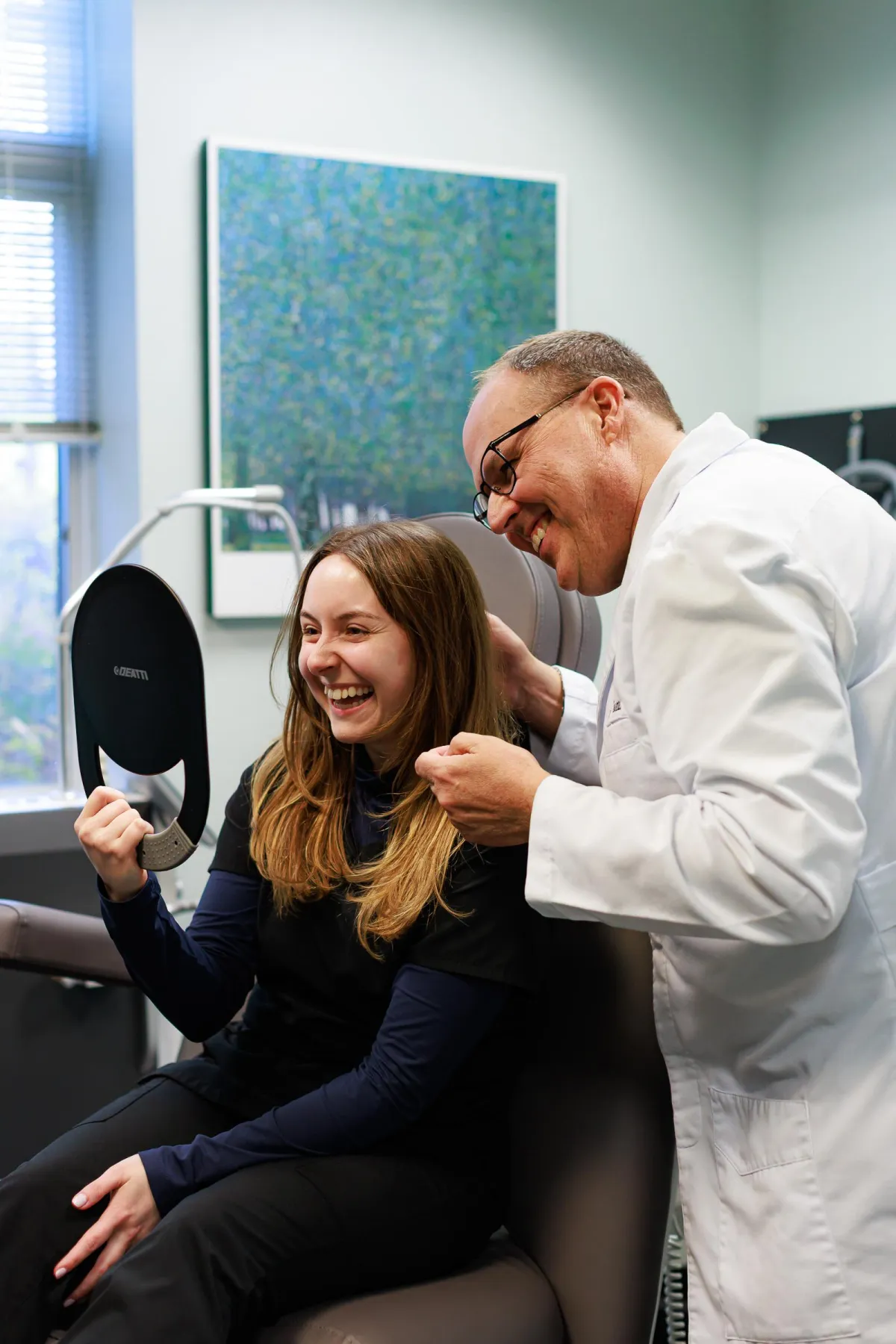
If you're in Sterling, VA or the broader Northern Virginia area, we'd love to have that conversation with you. Consultations at Physician Artistry are thorough, unhurried, and focused entirely on what's right for you — not what's easiest to sell. Contact us to schedule yours, and come ready to talk about what you want to see when you look in the mirror.