You've probably noticed it — a little softening along the jawline, some looseness under the chin, skin that doesn't quite bounce back the way it used to. It's one of those changes that happens gradually, then all at once. And if you've started searching for solutions, you've likely come across two names that keep showing up: RF microneedling and Ultherapy.
Both promise tighter, firmer skin without surgery. Both are offered at medical spas across Northern Virginia. And both can genuinely deliver results — but they work differently, feel different during treatment, and don't suit every person or every concern equally well.
This guide is here to help you understand the real differences, so you can walk into a consultation feeling informed rather than overwhelmed.
What Is RF Microneedling — and How Does It Work?
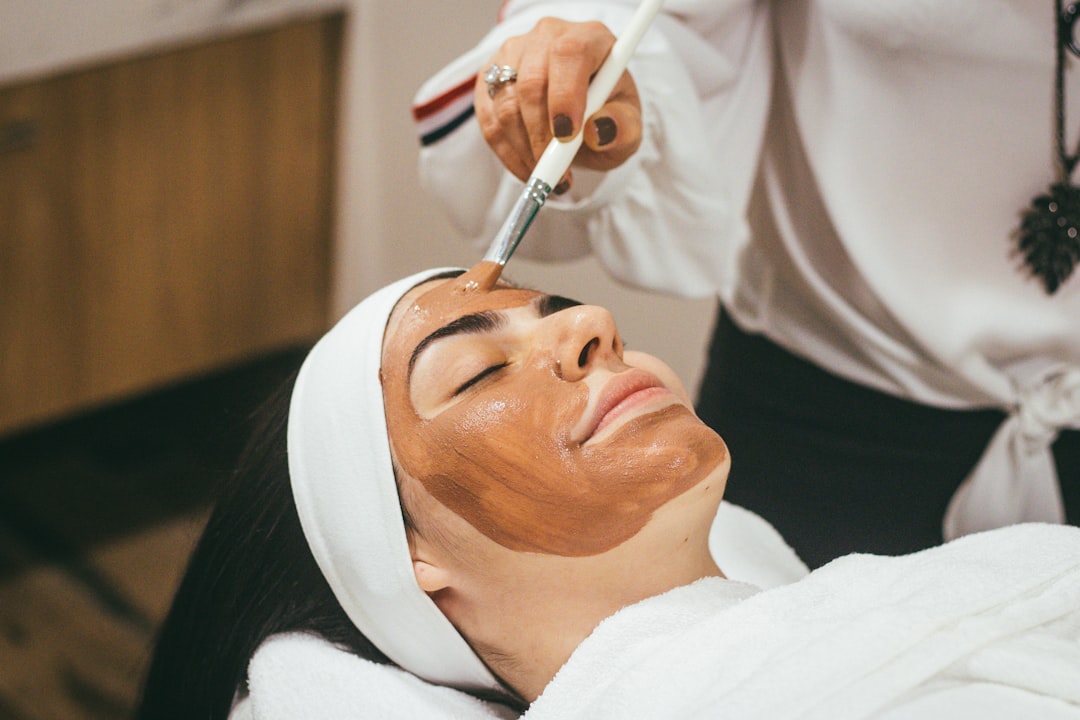
RF microneedling combines two proven skin renewal mechanisms into one treatment. Tiny needles create controlled micro-channels in the skin while simultaneously delivering radiofrequency energy into the deeper layers beneath the surface. That combination of physical stimulation and heat triggers your skin's natural healing response — producing new collagen and elastin that gradually firms and tightens the tissue from within.
At Physician Artistry, we use Secret RF Microneedling, which gives us precise control over the depth of needle penetration and the intensity of energy delivered. That matters — because what's appropriate for one patient's skin type or concern isn't necessarily right for another.
RF microneedling works primarily in the skin itself and the layer just beneath it. It's exceptionally effective for:
- Skin laxity and crepiness on the face, neck, and décolletage
- Acne scars and textural irregularities
- Enlarged pores and uneven tone
- Fine lines and early-to-moderate skin looseness
Most patients complete a series of two to three treatments spaced four to six weeks apart, with results continuing to improve over three to six months as collagen remodeling does its work. If you want a deeper look at what the treatment experience and results actually look like, this guide on whether RF microneedling is worth it is a good starting point.
What Is Ultherapy — and How Does It Work?
Ultherapy uses focused ultrasound energy to target a specific layer of tissue called the SMAS — the same layer that surgeons address during a facelift. It bypasses the surface of the skin entirely and deposits heat energy at a precise depth, stimulating collagen production deep beneath what needles or surface treatments can typically reach.
Because of that depth, Ultherapy has historically been positioned as the gold standard for lifting — particularly along the brow, under the chin, and on the neck. The FDA has cleared it specifically for lifting the brow, chin, and neck, and for improving lines and wrinkles on the décolletage.
Results from Ultherapy emerge more slowly than RF microneedling — typically over three to six months — and for many patients, a single treatment session is sufficient, though touch-ups may be recommended at six-to-twelve-month intervals depending on the degree of laxity and how the skin responds.
The Honest Comparison: Where Each Treatment Wins
Treatment Depth
This is the clearest distinction between the two. RF microneedling works within the skin layers — targeting the dermis and subdermis where collagen lives. Ultherapy reaches deeper into the SMAS layer. If your primary goal is improving skin texture, pore size, crepiness, or mild-to-moderate laxity, RF microneedling is often the more effective choice. If you're dealing with more significant structural sagging — jowls, brow heaviness, or notable neck laxity — Ultherapy's deeper reach can offer a more pronounced lifting effect.
Comfort During Treatment
Let's be straightforward here: Ultherapy has a reputation for being one of the more uncomfortable non-surgical treatments available. Patients frequently describe it as intense — a deep, sometimes sharp sensation as the ultrasound energy is delivered. Pain management protocols help, but discomfort is a real part of the conversation.
RF microneedling is more tolerable for most patients. Topical numbing cream is applied before treatment, and while you'll feel warmth and some pressure, the experience is generally well-managed. Most patients at Physician Artistry describe it as something they can easily schedule around a regular week.
Downtime and Recovery
RF microneedling typically involves redness and mild swelling for 24 to 48 hours — similar to a moderate sunburn. Most patients return to normal activities within a day or two. Makeup can usually be applied within 24 hours.
Ultherapy's downtime is generally minimal in terms of visible redness, but some patients experience temporary swelling, tingling, or tenderness that can last several days to a couple of weeks. Neither treatment requires the kind of recovery time associated with surgical procedures, but RF microneedling tends to have a gentler recovery window.
Speed of Visible Results
RF microneedling patients often notice early improvement within a few weeks — skin feels smoother and firmer relatively quickly, with the most significant results appearing at the three-to-six-month mark after a full series. Ultherapy results unfold more slowly, with most patients seeing the peak effect at the three-to-six-month mark as well, but with less noticeable early change.
If you're preparing for an event, a milestone birthday, or simply want to start seeing improvement sooner, RF microneedling typically delivers earlier visible satisfaction.
Who Is the Ideal Candidate for Each?
RF Microneedling is often the better fit for patients who:
- Have mild-to-moderate skin laxity they want to address
- Are also dealing with textural concerns like acne scars, pores, or crepiness
- Want to treat the face, neck, décolletage, or body areas
- Prefer a more comfortable treatment experience
- Want faster visible improvement
- Are in their 30s through 60s and proactively investing in skin quality
Ultherapy may be a stronger fit for patients who:
- Have more pronounced structural sagging, particularly at the brow, jowls, or neck
- Are looking for a single-session approach to deep lifting
- Have already optimized their skin surface and want to target the deeper structural layer
- Are willing to tolerate a more intense treatment experience for potentially greater lifting depth
What About Combining Them?
This is where a physician-led consultation becomes genuinely valuable. For some patients — particularly those with both significant structural laxity and surface-level concerns — using Ultherapy to address deeper lifting alongside RF microneedling to improve skin quality can produce results that neither treatment achieves alone. It's not a combination that every patient needs, but for the right person, the synergy is real.
We've seen similar compounding effects with other treatment pairings. Combining PRP and microneedling, for example, consistently outperforms what either approach delivers on its own. The principle is the same: when treatments address different layers or mechanisms, they tend to amplify each other's results.
A Note on Cost
Ultherapy typically carries a higher per-session cost than RF microneedling — partly because it's a single-session treatment for many patients and partly because of the technology involved. RF microneedling is often more cost-effective over a full treatment series, particularly because it's treating multiple concerns simultaneously.
That said, the right question isn't which treatment costs less — it's which treatment delivers the result you're actually looking for. An experienced provider can help you understand where your budget is most effectively directed based on your specific anatomy and goals.
What Patients at Physician Artistry Are Saying
When patients describe their RF microneedling experience here, a few themes come up consistently: they notice that their skin looks smoother and more refined earlier than they expected, they appreciate that the treatment is genuinely manageable, and they're often surprised by how the results continue improving even weeks after their final session.
One patient described it simply: "Noticeably tightened and smoothed my skin." That's the goal. Not dramatic, not overdone — just skin that looks and feels more like the version of you that you remember.
If skin laxity has been something you've been watching and wondering about, you're not alone. We hear it from patients across every decade — from people in their 30s who want to get ahead of it, to patients in their 50s and 60s who are looking for meaningful, real-world results without surgery. If you're curious about what's happening to collagen as you age and what you can realistically do about it, this piece on collagen loss after 40 is worth a read.
Is RF Microneedling or Ultherapy Right for You?
The most honest answer is: it depends on your skin, your goals, your timeline, and the degree of laxity you're working with. A consultation with a physician — not a sales coordinator, not an esthetician, but a physician who actually understands the anatomy involved — is the only way to know for certain.
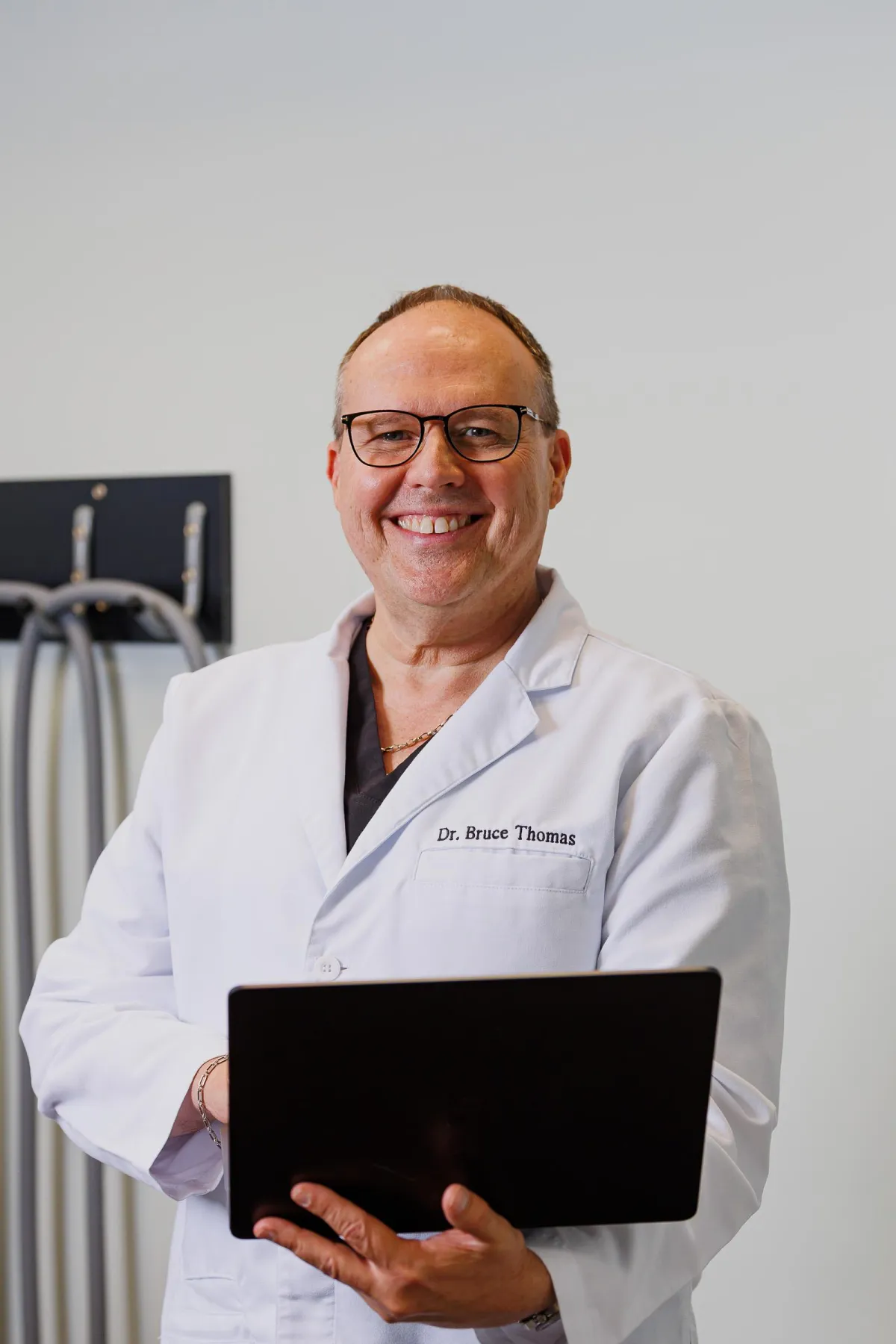
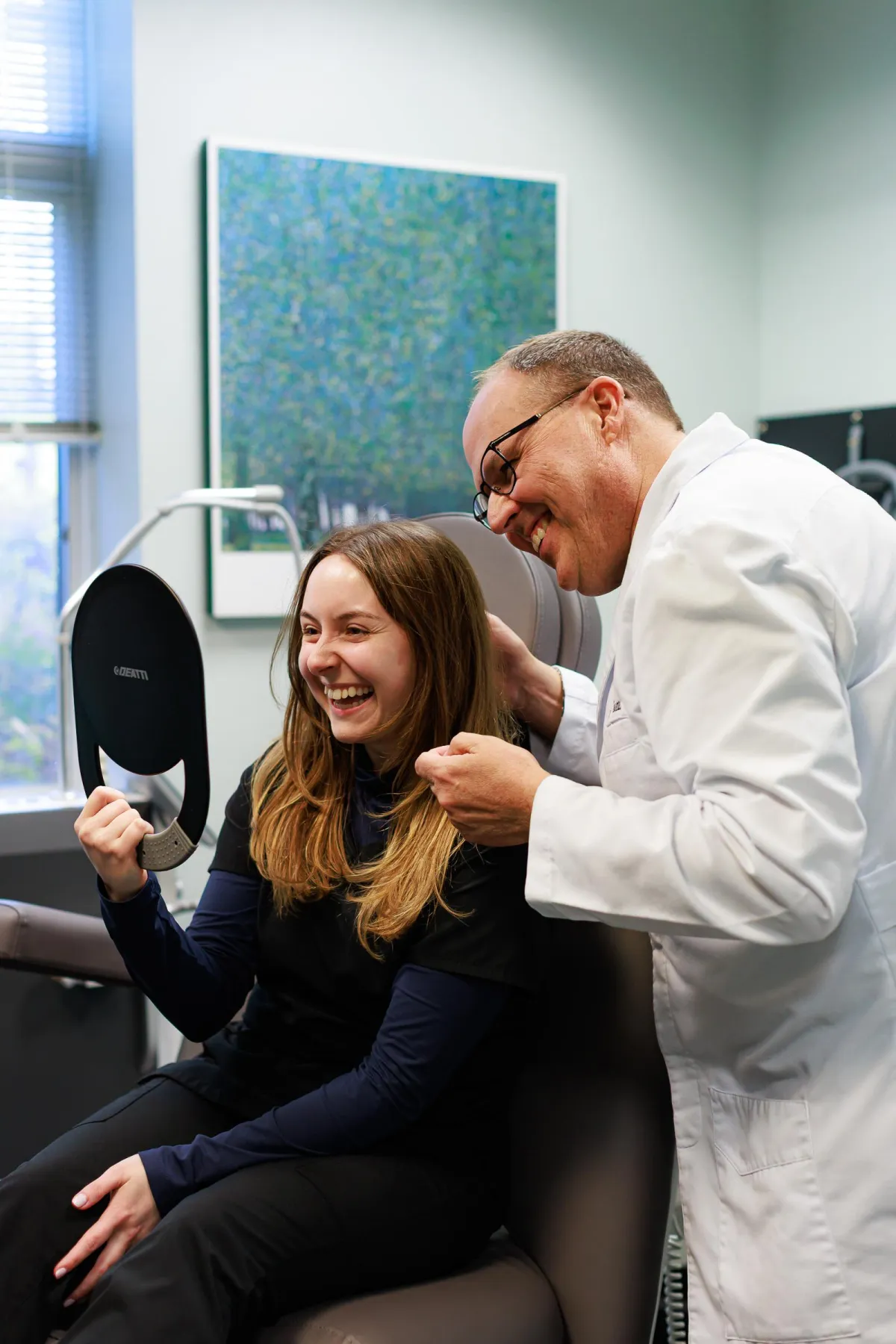
At Physician Artistry, Dr. Thomas personally oversees every treatment plan. That means when you come in to discuss skin tightening, you're not getting a scripted menu recommendation. You're getting a conversation that considers your full picture — your skin history, your goals, your lifestyle, and what your face and body actually need.
If you've been searching for non surgical skin tightening near me and wondering whether RF microneedling, Ultherapy, or something else entirely is the right move, we'd love to be that conversation for you.
We're in Sterling, VA — serving patients from across Northern Virginia, Loudoun County, and the broader DC metro area. Reach out to schedule a consultation, and we'll help you figure out exactly where to start.