
There's a quiet shift happening in aesthetic medicine right now. Patients who've been loyal to dermal fillers for years — patients who know exactly what to expect, who schedule their touch-ups like clockwork — are starting to ask a different question. Not "how much filler do I need?" but "what if I didn't need as much filler at all?"
That question is leading more and more people to biostimulators.
If you've been searching for "biostimulators near me" or trying to understand how biostimulator injections cost compares to your current filler routine, you're in the right place. Let's talk through what's actually happening, why the switch is gaining momentum, and whether it makes sense for where you are right now.
What Biostimulators Actually Do (And Why That Matters)
Traditional fillers work by physically adding volume. They fill a hollow, lift a fold, restore a contour. The results are immediate and satisfying — and for many patients, fillers remain an excellent tool. But here's the thing: fillers don't change the underlying tissue. When they dissolve, you're back where you started, sometimes faster than you'd like. Biostimulators work differently. Instead of adding volume directly, they signal your own body to produce more collagen. They're essentially a biological conversation — an injectable that tells your skin to start rebuilding its own structural support from the inside out. The two most established biostimulators in aesthetic medicine are Sculptra (poly-L-lactic acid) and Radiesse (calcium hydroxylapatite). Both have decades of clinical data behind them. Both are FDA-approved. And both work through the same basic principle: stimulate collagen production, rebuild tissue quality, and create results that don't just sit on top of your face — they become part of it. If you want a deeper comparison of how these two options differ from each other, this breakdown of Sculptra vs. Radiesse is worth reading before your consultation.Why Repeat Filler Patients Are Asking About This Now
Most patients don't arrive at biostimulators out of nowhere. They arrive after noticing something. Maybe their filler isn't lasting as long as it used to. Maybe they feel like they keep adding more product without achieving quite the same result. Maybe they've read about filler fatigue and wondered if that's what's happening to their face. Maybe a friend mentioned that her face looked "different — but in a good way" after stopping fillers for a year and doing something else instead. These are real, valid observations — and they point to something worth understanding. Filler fatigue is a genuine phenomenon, and for some long-term filler patients, the answer isn't more product. It's a different approach entirely. The other driver? Collagen loss doesn't slow down. After 40, the rate of collagen decline accelerates, and fillers — as good as they are — don't address that underlying loss. They compensate for it temporarily. Biostimulators start to reverse it. If you've been curious about what collagen loss actually looks like and how to rebuild it, that's useful context for this conversation.How Biostimulators Work: The Basics Without the Jargon
Here's a simple way to think about it. Your face has three layers of support: bone and fat deep underneath, muscle in the middle, and skin on top. Collagen is woven through all of it — it's the scaffolding that holds everything firm, smooth, and lifted. As you age, that scaffolding thins. Volume shifts. Hollows appear. Skin loses its snap. Biostimulators are injected into the areas where that scaffolding is weakest. Over the following weeks and months, your body responds by laying down new collagen around the injected particles. The product itself eventually absorbs. What's left behind is your own tissue — denser, firmer, better organized. This is why the results from biostimulators don't look the same as filler results. They don't look "filled." They look rested. Refreshed. Like your face has quietly improved on its own. Patients consistently describe it as looking like themselves again — not like someone who had something done. That's not a small distinction. For patients who've been navigating the balance between looking better and looking natural, it matters enormously.What to Expect: The Treatment Timeline
One thing that surprises patients new to biostimulators is that the results aren't immediate — and that's actually a feature, not a flaw. With Sculptra, most patients do a series of two to three sessions spaced several weeks apart. The collagen builds gradually over three to six months. The Sculptra results timeline from month one through month six looks different than anything fillers produce — it's a slow, steady improvement that tends to look completely natural because it's happening at a biological pace. With Radiesse, results appear somewhat sooner because the product also provides some immediate volume, but the collagen-stimulating benefit still unfolds over months. Both options require patience. But patients who've made the switch often say the wait is worth it — because when the results arrive, they don't look like a treatment. They look like good genetics.How Biostimulator Injections Cost Compares to a Filler Routine
This is one of the most common questions, and it deserves a straight answer. Biostimulators typically cost more per session than a single syringe of filler. That part is true. But the calculation changes when you zoom out. Consider what a consistent filler routine actually costs over time: multiple syringes per year, repeated appointments, possible touch-ups, and the ongoing maintenance cycle. For patients who are doing two or more filler sessions annually, the annual spend is often significant — and it continues indefinitely because filler dissolves. Biostimulators, done correctly, build a foundation that can last two years or more. Some patients find that after a well-executed biostimulator series, they need considerably less filler maintenance going forward — or in some areas, none at all. The upfront investment is higher; the long-term cost-to-result ratio often isn't. At Physician Artistry, Dr. Thomas looks at your face as a whole — not just at what product might help today, but at what approach makes sense for where your skin is now and where it's heading. That perspective shapes every treatment plan.Who Is a Good Candidate for Biostimulators?
Biostimulators tend to work particularly well for patients who are:- Noticing gradual volume loss in the cheeks, temples, or jawline rather than a single isolated concern
- Starting to feel like fillers aren't restoring the same result they used to
- In their 40s, 50s, or 60s and dealing with significant collagen decline
- Looking for results that improve over time rather than appear immediately
- Interested in reducing their overall product dependency over the long term
Can You Combine Biostimulators With Other Treatments?
Yes — and for many patients, that's where the most satisfying results come from. Biostimulators rebuild tissue quality from within. Treatments like Secret RF Microneedling improve skin texture, tightness, and tone at the surface level. The two approaches complement each other in ways that either alone can't fully replicate. Some patients also continue using small amounts of filler strategically — for very precise volume needs or definition — while using biostimulators to address the broader foundation. The goal isn't to eliminate every other treatment. It's to spend your investment where it creates the most durable change. For patients who've experienced weight-related facial changes — whether from GLP-1 medications or other causes — biostimulators can also play an important role in rebuilding facial structure that has thinned. Volume loss from GLP-1 medications is a real concern, and biostimulators are one of the more thoughtful long-term tools for addressing it.What Patients Say After Making the Switch
The feedback we hear most consistently from patients who've transitioned from a filler-heavy routine to a biostimulator-based approach sounds something like this: "I feel like myself again." Not "I look like I had something done." Not "people keep asking if I got filler." Just — a gradual return to looking refreshed, rested, and like the best version of their own face. That's exactly the kind of outcome Dr. Thomas has been guiding patients toward for more than 30 years. Not chasing a trend. Not swapping one dependency for another. Building a treatment plan that genuinely serves the patient's long-term goals. If you've been on the fence about whether biostimulators might be the next right move for your skin, the best place to start is a conversation — not a commitment. Come in, talk through where you are, and leave with a clearer picture of what's actually possible.Ready to Find Out If Biostimulators Are Right for You?
Physician Artistry is located in Sterling, VA, serving patients throughout Northern Virginia, Loudoun County, and the broader DC metro area. Dr. Thomas personally oversees every treatment plan — which means the recommendation you receive is based on your face, your history, and your goals, not a standard protocol. To schedule a consultation, call us or use the booking link on our website. We'd love to have that conversation with you.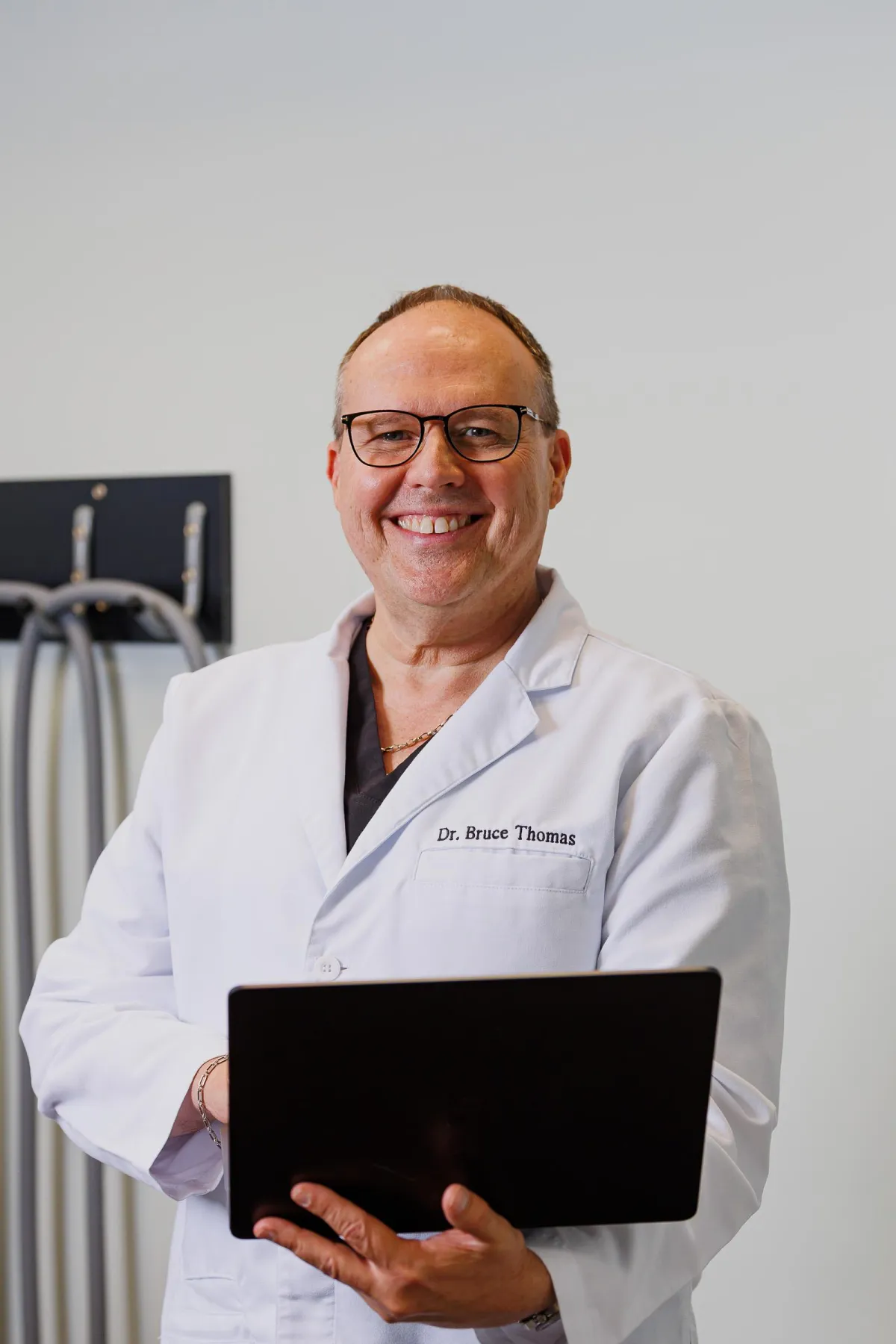
Start your transformation today!
Schedule your complimentary consultation with our friendly and knowledgeable team.