

Spring is a season most people associate with renewal, but for many men and women in Northern Virginia, it also brings a familiar frustration: standing in front of the mirror and noticing that your hair just isn't what it used to be. Maybe your part looks wider. Maybe your hairline seems to have shifted. Maybe you're simply seeing more strands on your pillow or in the shower drain than you'd like.
Hair thinning is extremely common, and it's also something a lot of people quietly struggle with because it can feel personal in a way that other cosmetic concerns don't. The good news is that there are real, clinically grounded options available, and you don't have to accept thinning hair as inevitable. One of those options is PRP therapy, short for platelet-rich plasma, and it's worth understanding what it actually involves before making any decisions.
What Causes Hair to Thin in the First Place?
Hair loss rarely has a single cause, which is part of why it can feel so difficult to address. Some of the most common contributing factors include:
- Androgenetic alopecia, the most common form of hair loss in both men and women, driven by sensitivity to androgens (hormones) that cause follicles to gradually shrink over time
- Hormonal shifts, particularly during perimenopause, menopause, or periods of thyroid imbalance, which can accelerate thinning in women in their 40s and 50s
- Telogen effluvium, a temporary but often dramatic shedding phase triggered by stress, illness, surgery, or significant nutritional changes
- Nutritional deficiencies, including low iron, vitamin D, or protein, which can quietly affect follicle health over time
- Scalp inflammation, which can interfere with the normal hair growth cycle
If you've noticed changes in your hair density, especially if they've come on gradually over the last few years, it's worth having a proper evaluation. A blanket approach rarely works when the root cause hasn't been identified.
What Is PRP Therapy and How Does It Work for Hair Loss?
PRP, or platelet-rich plasma, is a treatment that uses your body's own biology to support hair follicle health. The process begins with a simple blood draw, similar to a standard lab draw. That blood is then placed in a centrifuge, which separates out the platelet-rich plasma, a concentrated portion of your own blood that contains growth factors naturally involved in tissue repair and cellular regeneration.
That concentrated plasma is then injected directly into areas of the scalp where thinning has occurred.
Here's what that process may support:
- Stimulating dormant or miniaturized hair follicles to re-enter an active growth phase
- Improving blood supply to the scalp, which nourishes existing follicles
- Prolonging the growth phase of the hair cycle, which can result in thicker, fuller strands over time
- Slowing the rate of ongoing hair loss in patients who catch it early
PRP is not a hair transplant. It does not create new follicles where none exist. It works best when there are still viable follicles present that have become dormant or miniaturized, which is why early treatment tends to produce more noticeable results. Many patients begin to see improvement in hair density and thickness after a series of sessions, typically spaced four to six weeks apart.
Who Is a Good Candidate for PRP Hair Restoration?
PRP tends to work well for a specific group of patients. You may be a good candidate if:
- You've noticed gradual thinning across the crown, top of the scalp, or along the hairline
- You're in the early to moderate stages of hair loss rather than experiencing complete baldness in an area
- You're a man or woman between the ages of 35 and 65 looking for a non-surgical, low-downtime option
- You've already addressed any underlying nutritional or hormonal issues (or are working on doing so)
- You're willing to commit to a series of treatments rather than expecting results from a single session
PRP is generally not recommended for patients with certain blood disorders, active scalp infections, or those on medications that affect platelet function. A proper consultation is essential before beginning any treatment plan.
It's also worth noting that for women experiencing hair loss related to hormonal changes, PRP is sometimes most effective when combined with a broader evaluation of hormone health. If that's a concern for you, it may be worth exploring whether bioidentical hormone replacement therapy or estrogen therapy belongs in your overall plan as well.
How Physician Artistry Approaches PRP Hair Restoration in Sterling, VA
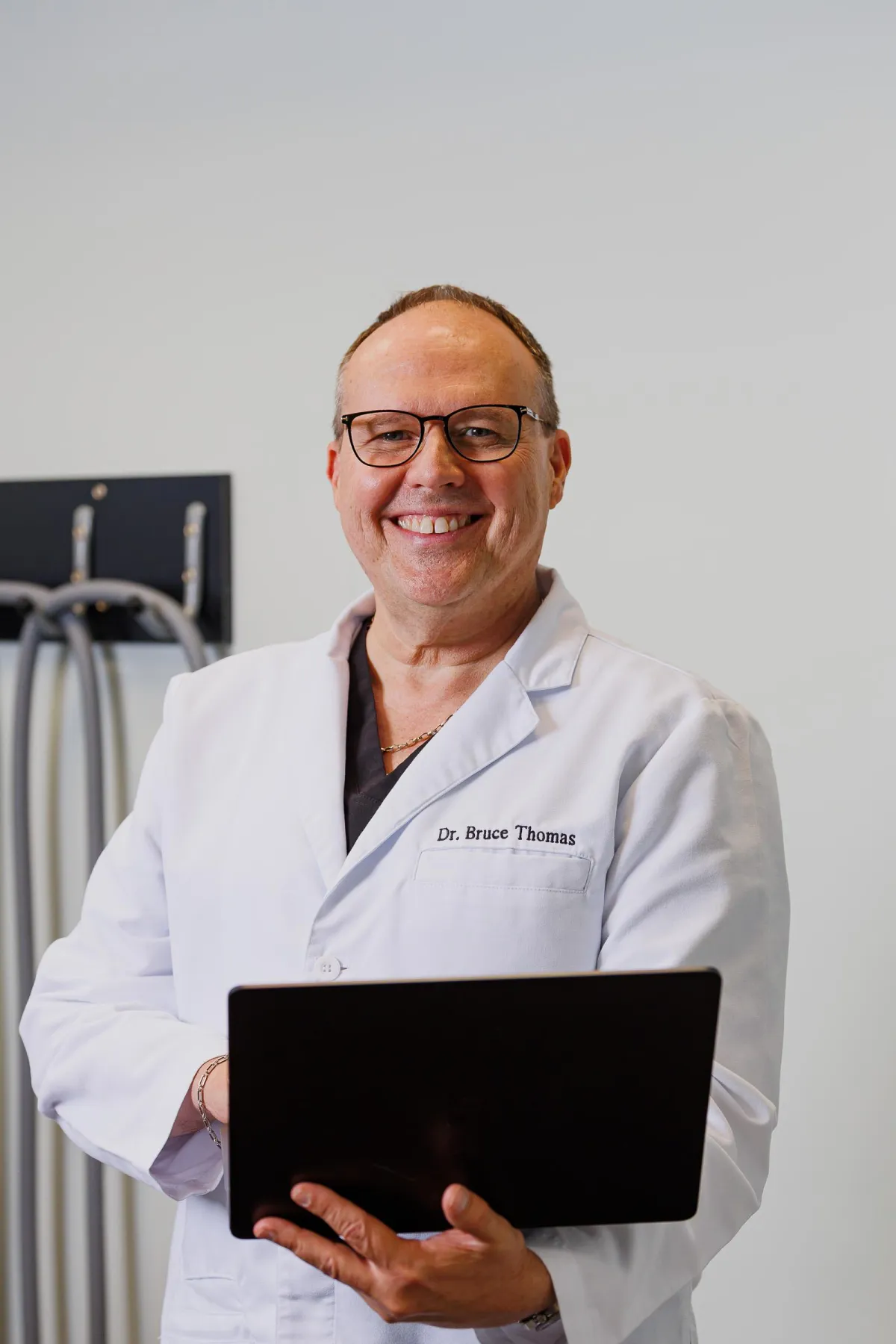
At Physician Artistry, every treatment plan starts with a real conversation, not a checklist. Dr. Bruce Thomas, MD, brings over 30 years of clinical experience to each patient evaluation, which means that when you come in about hair loss, you're not just discussing a single treatment. You're discussing your health history, your hormone levels if relevant, your lifestyle, and what realistic outcomes might look like for you specifically.
That kind of comprehensive, physician-led approach is what sets Physician Artistry apart from practices where aesthetic treatments are delivered without that deeper clinical context.
If PRP is the right fit, the team will walk you through exactly what to expect at each session, including how the treatment feels, how long it takes, and what the recovery involves (spoiler: there's minimal downtime). You can learn more about what the PRP hair restoration process looks like at the practice.
Spring is actually a practical time to start. Many patients choose to begin a series of PRP sessions in spring so that any improvements in density and thickness are well underway heading into summer and fall, when hair tends to be most visible and most noticed.
If you've been thinking about this for a while and keep putting it off, this is a good moment to stop wondering and get a clear answer. Schedule a consultation at Physician Artistry in Sterling, VA, and find out whether PRP therapy is the right next step for you.
Start your transformation today!
Schedule your complimentary consultation with our friendly and knowledgeable team.