Hair loss has a way of sneaking up on you. One day you notice your hairline looks a little different in the mirror. A few months later, the part seems wider. By the time most men in Sterling, VA start looking for answers, they've already spent a lot of time hoping it would just stop on its own.
It usually doesn't. But that doesn't mean you're out of options — and the options available today look very different from what your father's generation had access to.
Platelet-rich plasma therapy, commonly called PRP, has become one of the most talked-about hair loss treatments for men in the DC metro area. It's not a hair transplant. It's not a pharmaceutical with a long list of side effects to weigh. It's a treatment that uses your own biology to encourage your scalp to do something it's struggling to do on its own: support healthy hair growth.
What PRP Actually Does for Your Hair
PRP starts with a simple blood draw — your blood, taken right here in the office. That sample is placed in a centrifuge, which separates it into its components. What you're left with is a concentrated portion of plasma that's rich in platelets, the tiny cells your body already relies on for healing and cellular repair.
When that concentrated plasma is injected into areas of your scalp where thinning has begun, it delivers a concentrated dose of growth factors directly to the hair follicles. These growth factors signal the follicles to shift from a resting or dormant state back into an active growth phase. Over a series of treatments, many men see a meaningful reduction in shedding, thicker individual hair strands, and — in cases where follicles haven't yet permanently closed — visible regrowth in areas that had been thinning.
The key word there is "thinner." PRP works best when hair follicles are still alive but underperforming — which is exactly what's happening in the early to mid stages of male pattern hair loss. Waiting longer doesn't make the situation more treatable. It typically makes it less so.
Why Men Are Paying Attention to This Treatment Now
The honest answer is that the alternatives have real drawbacks. Minoxidil requires daily use and stops working if you stop using it. Finasteride carries potential hormonal side effects that make a lot of men understandably hesitant. Hair transplant surgery is effective but invasive, expensive, and still requires healthy donor follicles to work with.
PRP occupies a different category entirely. It's non-surgical. There's no medication entering your system. The appointments are relatively quick, the downtime is minimal, and the material being injected is derived entirely from your own body. For men who want to take a proactive approach to the best hair thinning treatment for men without committing to a surgical procedure or a lifetime of daily medication, PRP is genuinely worth serious consideration.
It also fits the kind of life most of our patients are living. These are busy men — professionals, executives, business owners — who aren't looking to disappear for a week of recovery. They want a treatment that works, performed by someone they trust, and they want to get back to their day.
What the Treatment Process Looks Like
Most men start with a series of three to four PRP sessions spaced about four to six weeks apart. This initial series is where the foundational work happens — repeated exposure to growth factors helps wake up dormant follicles progressively over time.
After completing the initial series, most patients transition to maintenance sessions every three to six months to preserve and build on their results. Hair growth is a cycle, and keeping follicles in an active phase requires some ongoing support.
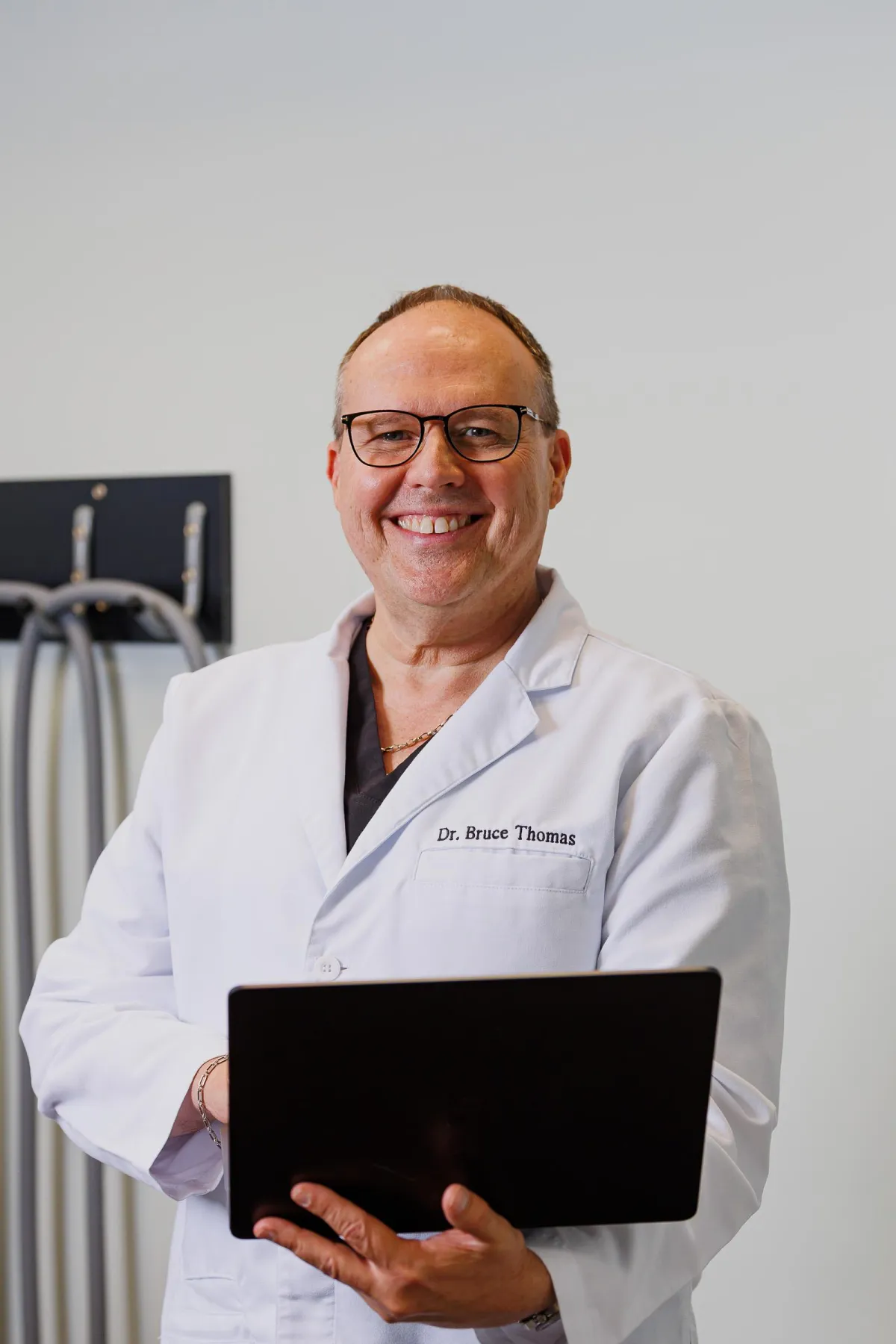
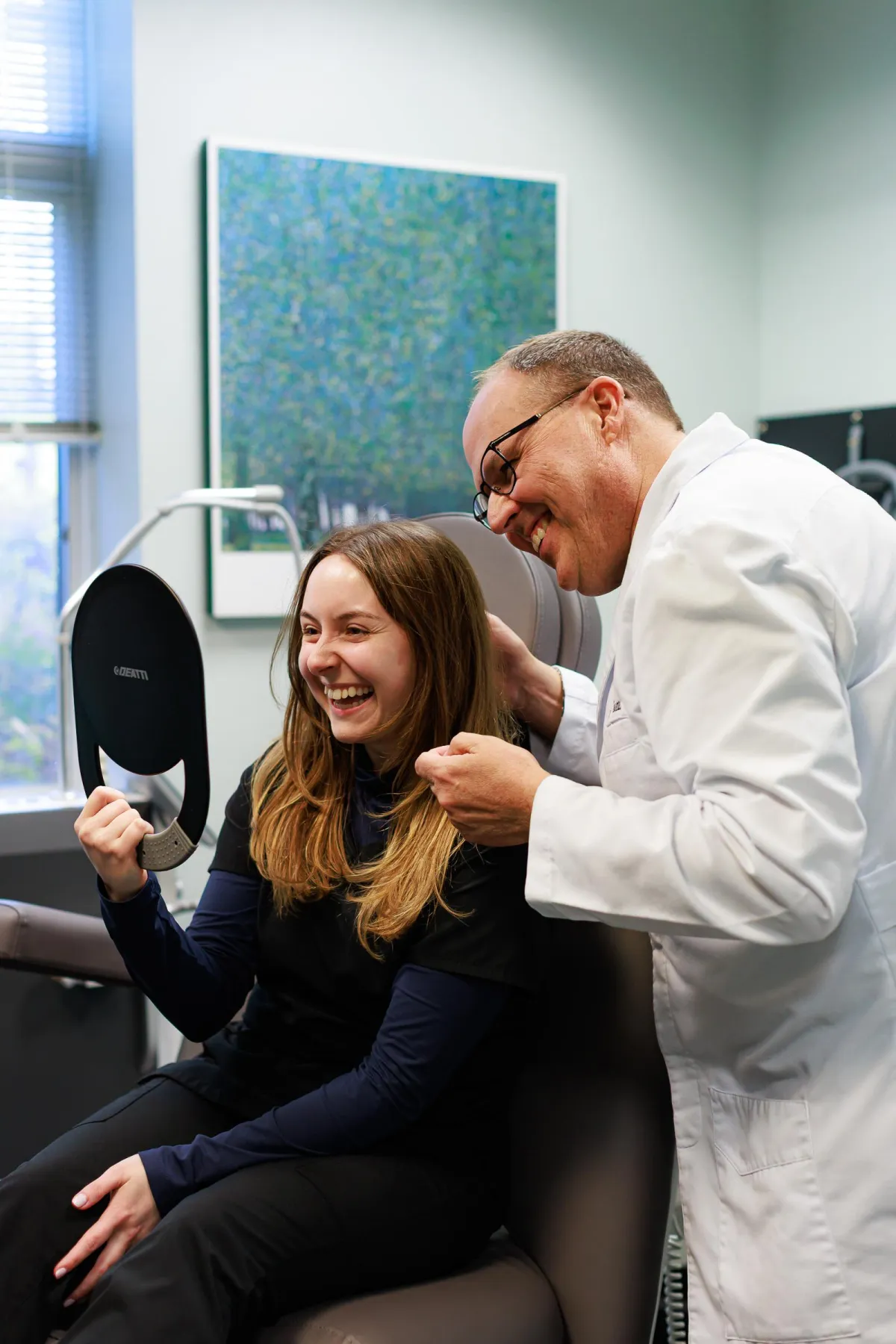
At Physician Artistry, Dr. Thomas personally evaluates every patient before recommending a treatment plan. That means we're looking at the pattern and extent of your hair loss, how long it's been progressing, and whether PRP is the right approach on its own or whether it makes sense to combine it with other strategies. We've helped PRP hair restoration patients across Northern Virginia, and the conversations here are never one-size-fits-all.
If you've been on semaglutide or another GLP-1 medication, it's also worth knowing that some patients have noticed increased hair shedding as a side effect of rapid weight loss. We've written about semaglutide and hair thinning in more detail — PRP is one of the tools we use to address that particular issue as well.
What Results Look Like — and When to Expect Them
This is the part most men want to know, and it deserves a straight answer: PRP for hair loss is not a two-week fix. Most patients begin noticing a reduction in daily shedding within the first month or two. Visible improvements in thickness and coverage typically develop between three and six months after beginning treatment. For some men, the results are striking. For others, the improvement is more subtle — but even slowing the rate of loss significantly can make a meaningful difference in how your hair looks and feels over the long term.
Results vary depending on how early you start, how your individual follicles respond to growth factor stimulation, and how consistently you complete your treatment series. That's exactly why the evaluation appointment matters so much — it sets realistic expectations and helps you understand what's actually achievable for your specific situation.
Is PRP the Right Hair Loss Treatment for You?
PRP tends to work best for men who are in the earlier stages of thinning — the Norwood scale stages two through five, roughly speaking — where hair follicles are miniaturized but still present. If your scalp has areas where hair loss is complete and the follicles have fully closed, PRP won't regenerate hair in those zones. But if you're catching this in a window where the follicles are still viable, the treatment has real potential to change the trajectory.
For men who are also dealing with broader hormonal changes that may be contributing to their hair thinning, testosterone therapy is another conversation worth having. Declining testosterone levels and shifts in DHT sensitivity are part of why many men experience accelerated hair loss in their 40s and 50s, and addressing the hormonal picture alongside PRP can sometimes produce better outcomes than either approach alone.
We've also had patients ask whether PRP for hair compares to PRP used in aesthetic treatments like facial rejuvenation. The underlying mechanism is similar — concentrated growth factors stimulating cellular repair — though the application and goals are different. If you're curious about how PRP works more broadly, our post on what PRP therapy is and how it works covers the fundamentals well.
Starting the Conversation
Most men wait longer than they should before doing anything about hair loss. Part of that is hoping it resolves. Part of it is not knowing where to go or who to trust. And part of it is the assumption that the only real options are medications with side effects or surgery that feels like a bigger commitment than they're ready to make.
PRP for hair loss sits in a different space — and for the right patient, it's one of the most effective, lowest-risk hair loss treatments for men available today. At Physician Artistry in Sterling, VA, this is the kind of conversation Dr. Thomas genuinely enjoys having. You'll get a real evaluation, honest guidance about what PRP can and can't do for you, and a plan that's built around your actual goals.
If your hair has been on your mind, it's worth finding out what's actually possible. Learn more about PRP hair restoration at Physician Artistry or reach out to schedule a consultation — no pressure, just a real conversation about where you are and what makes sense for you.