

Here's something that surprises a lot of people when they first hear it: the best time to treat sun-related pigmentation isn't while you're tan. It's right after summer ends, when your skin is transitioning away from active UV exposure. If you've spent any time outdoors this summer and you're noticing new dark spots, uneven patches, or a general muddiness to your complexion that wasn't there in May, you're not imagining it. And the timing of what you do next matters more than most people realize.
At Physician Artistry in Sterling, VA, we see a predictable pattern every August and September. Patients who've been diligent about sunscreen all summer still come in with pigmentation that crept in anyway — because Northern Virginia summers are relentless, and melanin responds to cumulative UV exposure whether you're at the pool or just walking to your car. The good news is that fall is genuinely the ideal window for addressing it. The better news is that when treatment is timed correctly, the results are significantly more effective than trying to treat pigmentation mid-summer.
Why Summer Creates So Much Pigmentation in the First Place
Melanin is your skin's protection mechanism. When UV rays hit the skin, melanocytes — the cells responsible for pigment — ramp up production to absorb and scatter that energy before it damages deeper tissue. That's why you tan. But this process isn't perfectly regulated. In some areas of the face, particularly around old sun damage, hormonal spots, or post-inflammatory marks, melanocytes overreact and produce clustered pigment deposits. The result is hyperpigmentation: brown spots, melasma flares, post-acne darkening that got worse in the heat, and an overall unevenness that no amount of good lighting can fully disguise.
What makes this particularly frustrating is that hyperpigmentation tends to look worse before it looks better. Spots that were barely visible in March can become noticeably darker by July. Heat and humidity accelerate melanin production independently of UV exposure — which means even patients who were careful in the sun can still experience flares during a Virginia summer.
The Timing Problem With Summer Pigmentation Treatment
Treating hyperpigmentation while you're still in active sun exposure is a bit like bailing water from a boat with a hole in the hull. Most of the treatments that actually work — IPL photofacial, Fraxel laser, chemical peels — increase your skin's photosensitivity in the days and weeks following treatment. Treating pigmented skin and then walking back out into UV exposure doesn't just reduce your results. It can actively worsen pigmentation by triggering a rebound response in already-sensitized melanocytes.
This is why patients who try to "fix" their summer skin in June or July often end up disappointed. It's not that the treatments don't work. It's that the timing works against them. The treatments are doing their job, but the environment is undoing it faster than the skin can recover.
August and September change that equation. As sun intensity decreases and you're spending less time outdoors, your skin enters a recovery phase. UV exposure drops. Melanin production starts to normalize. The skin becomes receptive to intervention in a way it simply isn't during peak summer months. This is the window — and it opens earlier than most people think.
What Actually Works for Post-Summer Pigmentation
Not all pigmentation is the same, and not all treatments address it the same way. The right approach depends on what type of discoloration you're dealing with, how deep it sits in the skin, and what your skin tone is. Here's an honest overview of what we use at Physician Artistry and why.
IPL Photofacial
Intense Pulsed Light is one of the most effective tools for surface-level brown spots — the flat, discrete spots that typically appear on the cheeks, temples, and forehead from years of cumulative sun exposure. IPL works by delivering broad-spectrum light energy that's absorbed specifically by melanin, causing the pigmented cells to break apart and rise to the surface before shedding. Patients often describe the spots getting slightly darker in the days immediately after treatment — this is completely normal and actually a sign it's working. Within one to two weeks, those darkened spots flake away, revealing clearer skin underneath.
For post-summer pigmentation, IPL is often our first recommendation for the right candidate. The fall window — when tan is fading but damage is visible — is exactly when IPL delivers its clearest results. Timing it with reduced UV exposure allows the treated skin to heal without interference.
Chemical Peels
For patients dealing with more diffuse unevenness, melasma, or pigmentation that's more blended than spotty, a well-chosen chemical peel can be extraordinarily effective. Peels work by accelerating cellular turnover — essentially prompting the outer layers of skin to shed faster, taking pigmented cells with them and encouraging the growth of fresh, more evenly toned skin underneath.
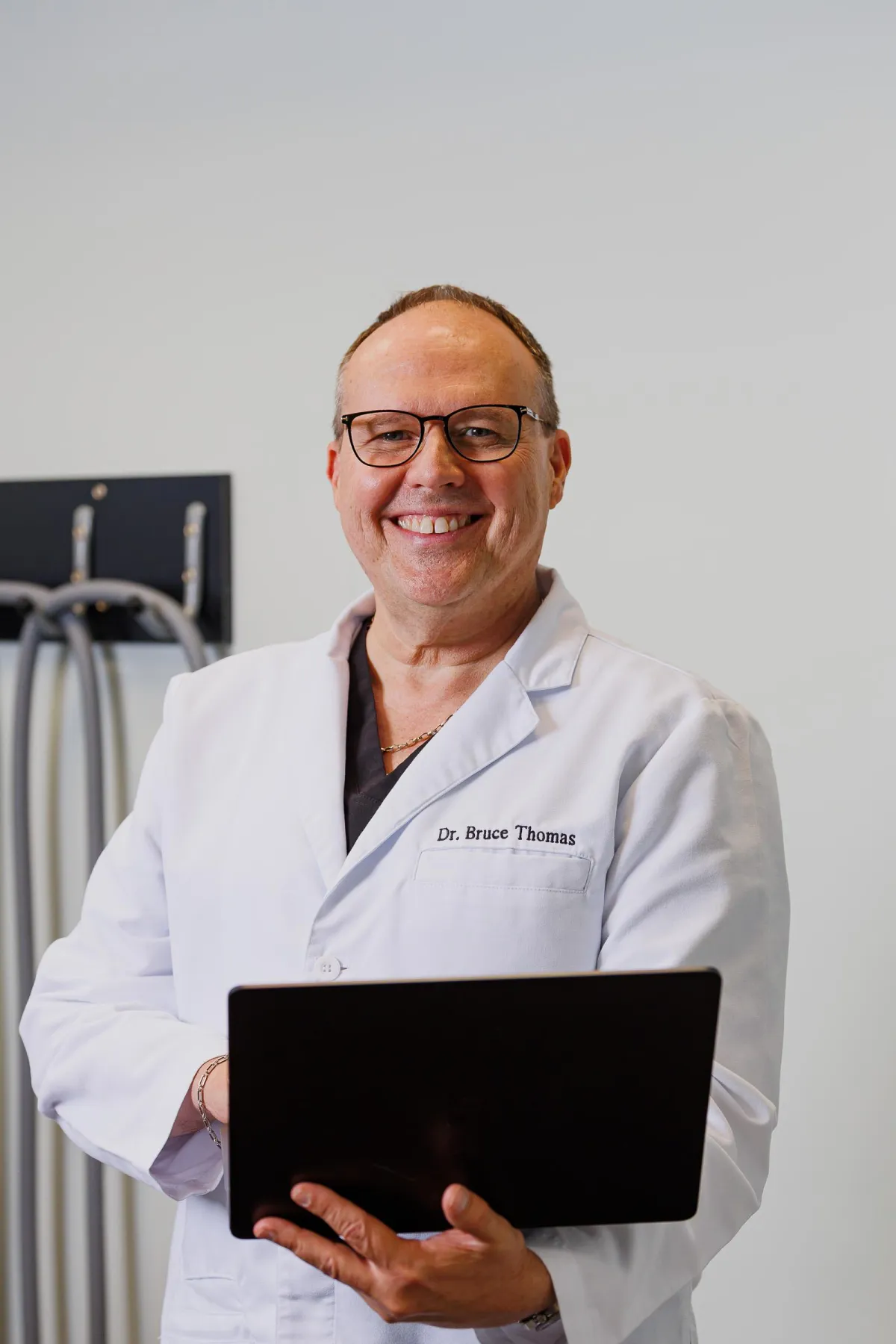
The depth and formulation of the peel matters enormously. A superficial glycolic or lactic acid peel addresses surface dullness and mild discoloration. A medium-depth peel with TCA or a combination formula goes further, targeting pigmentation that sits in the upper dermis. At Physician Artistry, we don't use a one-size-fits-all approach to peels. Dr. Thomas evaluates your skin type, existing pigmentation pattern, and skin sensitivity before recommending a formulation — because the wrong peel on the wrong skin type can actually worsen discoloration rather than improve it.
Fall is ideal for peels for the same reason it's ideal for IPL: post-peel skin is temporarily more vulnerable to UV, and treating in a lower-sun season means the skin can heal and remodel without constant UV interference. We often see patients sequence two or three peels spaced three to four weeks apart through September, October, and November, with dramatic cumulative results by the holidays.
Secret RF Microneedling
For patients whose pigmentation issues exist alongside textural concerns — enlarged pores, uneven surface, early signs of laxity — Secret RF Microneedling offers an approach that addresses both simultaneously. The radiofrequency energy delivered through microneedles triggers significant collagen remodeling deep in the dermis while also improving overall skin quality at the surface level. While RF microneedling isn't a primary pigmentation treatment the way IPL or peels are, it supports the skin's overall renewal process in a way that makes pigmentation treatment more effective when used in combination.
We've written about why combining treatments often delivers better results than single sessions — and post-summer skin reset is one of the clearest examples of that principle in action.
SkinVive and Skin Quality Treatments
Some patients dealing with post-summer skin aren't just fighting spots. They're dealing with a general depletion — dull tone, compromised barrier function, skin that looks tired even when they feel rested. For these patients, SkinVive by Juvederm — an injectable hyaluronic acid skin booster — can restore the luminosity and hydration that UV exposure strips away, creating a healthier foundation on which pigmentation treatments work more effectively.
The Melasma Conversation
Melasma deserves its own mention because it behaves differently from typical sun spots, and treating it incorrectly is one of the most common mistakes we see from patients who've tried to address it on their own or at practices without deep experience in pigmentation conditions.
Melasma is driven by a combination of UV exposure, heat, and hormonal influence — which is why it tends to flare dramatically during pregnancy, while on hormonal contraceptives, and during perimenopause. It sits deeper in the skin than typical sun damage and is notoriously resistant to aggressive treatment. In fact, IPL and certain laser modalities can temporarily worsen melasma in some patients by triggering inflammatory pigmentation responses. This isn't a reason to avoid treatment — it's a reason to ensure your provider understands the distinction and has the clinical expertise to choose the right approach.
At Physician Artistry, melasma patients are evaluated carefully before any energy-based treatment is recommended. For many, a thoughtfully sequenced chemical peel protocol combined with prescription-grade topical therapy and sun protection is the most reliable path to improvement — especially when that protocol begins in early fall, when the hormonal and UV triggers that fuel melasma are at their lowest point.
What Happens If You Wait Until Winter
A question we hear often: does it matter if I wait until November or December to start treating pigmentation? The honest answer is that you'll still see results, but you'll have missed the most productive window. Here's why.
Pigmentation responds to treatment most effectively when it's fresh. Dark spots that formed this summer are sitting closer to the surface and are more accessible to treatment than spots that have been present for years. Treating them now — while the damage is recent — means faster clearance and typically fewer sessions needed compared to treating the same spots a year or two from now when they've had time to consolidate deeper in the skin.
There's also a practical scheduling reality: if your goal is clear skin by the holidays or for a winter event, starting treatment in August or September gives your skin time to complete a full treatment course and recover fully before that date arrives. Starting in November often means you're still mid-recovery when the event arrives. We've written about this in the context of timing microneedling before fall events, and the same logic applies here.
What a Pigmentation Consultation at Physician Artistry Looks Like
We don't believe in walking a patient through a treatment menu and letting them choose. Pigmentation is complex enough that the right protocol genuinely depends on the individual — their skin type, the nature of their discoloration, their lifestyle, how much sun exposure they'll realistically be able to avoid, and what their goals are over the next three to six months.
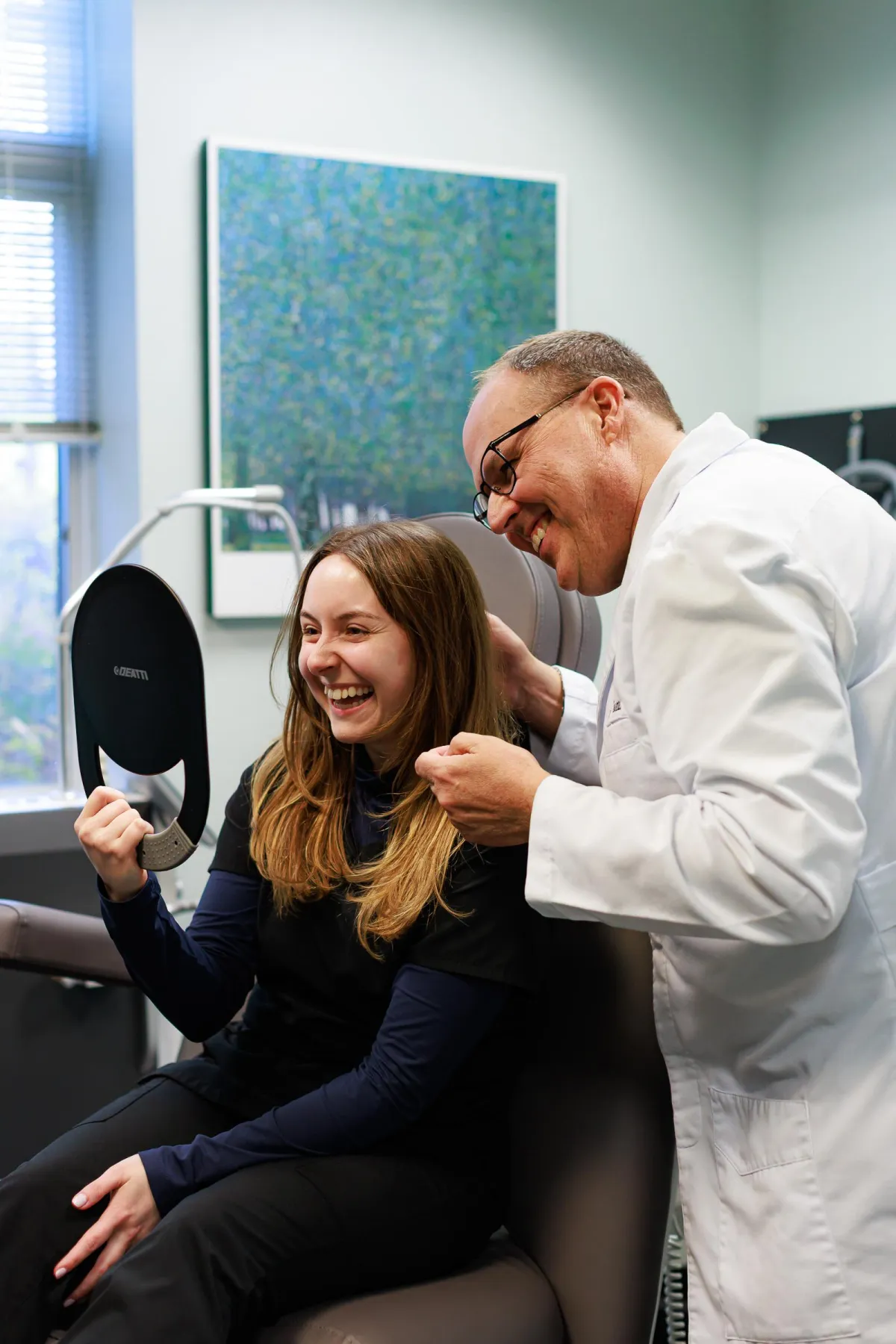
When you come in, Dr. Thomas takes the time to look at your skin the way a physician looks at a clinical picture — not as a checklist of treatments to upsell. He'll ask about your history, examine your pigmentation pattern, and recommend a sequenced plan that gives you the best possible outcome in the most efficient timeframe. Patients consistently describe this approach as a "comprehensive and thoughtful approach" that's different from what they've experienced elsewhere.
If you're also dealing with textural concerns alongside pigmentation, we'll talk about how treatments like addressing uneven skin tone and texture after sun exposure can be layered intelligently rather than approached in isolation.
If hormonal factors are contributing to your skin changes — which is worth exploring if your pigmentation tends to flare around your cycle or has worsened in your 40s — that's also part of the conversation. Understanding the root cause isn't just academic. It changes which treatments will actually hold their results long-term.
The Window Is Open Right Now
August 2026 is exactly the right moment to start thinking about post-summer pigmentation treatment. The summer sun has done its work. Your skin is ready to respond. And the fall treatment window — which fills up faster than patients expect — is just beginning.
If you're in Sterling, Northern Virginia, or the broader DC metro area and you're ready to have a real conversation about what your skin needs, we'd love to meet you. Call Physician Artistry at (703) 982-1936 or visit us at 20937 Ashburn Road, Suite 115, Ashburn, VA 20147 to schedule a consultation. There's no pressure, no upsell, and no treatment plan that doesn't make clinical sense for your specific situation. That's the only way we do things.
Start your transformation today!
Schedule your complimentary consultation with our friendly and knowledgeable team.