
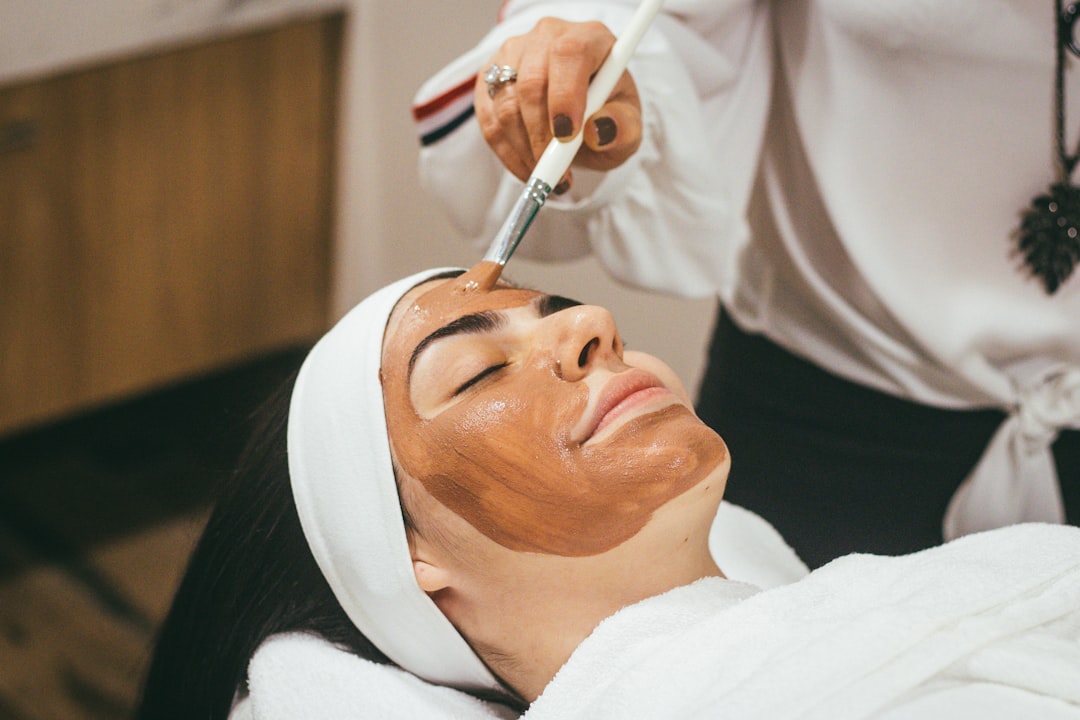
There is a particular kind of frustration that comes with under-eye filler.
You go in, you invest the time and the money, and for a few months things look genuinely better. Then the filler starts to shift. Or it goes puffy. Or it dissolves faster than it should. Or — and this is the one that quietly unravels people — it makes the area look slightly off in a way that is hard to explain but impossible to ignore.
If any of that sounds familiar, you are not imagining things. The under-eye area is one of the most technically demanding zones on the face. The skin there is the thinnest on the body. The tissue structure is delicate and unforgiving. And hyaluronic acid filler, as useful as it is almost everywhere else, has a genuinely complicated relationship with that anatomy.
That is why, when polynucleotides became available in the United States, a significant number of patients and physicians started paying very close attention. And why, at Physician Artistry in Sterling, VA, we have watched this treatment quietly become the preferred approach for under-eye hollows among patients who have already been through the filler cycle — and are ready for something that works differently.
What filler actually does under the eye — and why it often falls short
Dermal filler adds volume. That is its job, and it does that job well in the right context. But under-eye hollows are not simply a volume problem. They are a tissue quality problem layered on top of a structural problem layered on top of a skin integrity problem. Trying to solve all of that with volume alone is a bit like trying to fix a leaky pipe by wrapping it in tape. It helps for a while. It does not fix what is actually happening. The tear trough area hollows for several reasons simultaneously. Fat compartments descend and deflate with age. Collagen in the dermis thins and loses its scaffolding. The skin loses elasticity and hydration. Microcirculation slows, which affects both the color and texture of the skin. When you inject filler into tissue that has lost structural integrity, the filler has nowhere stable to sit. It migrates. It clumps. It catches light in ways that create shadows rather than erasing them. We have written before about the specific patterns of tear trough filler migration and why it happens so reliably — and about the cases where under-eye bags simply cannot be fixed by fillers at all. If you have read either of those pieces, you already have a sense of why the conversation around this area has been shifting.What polynucleotides do instead
Polynucleotides — also referred to as PDRN — work through a completely different mechanism. Rather than adding volume from the outside, they trigger the tissue itself to regenerate from within. The active ingredient is a purified chain of DNA fragments, typically derived from salmon sperm (which has a remarkably high structural compatibility with human tissue). When injected, these fragments activate specific cell receptors that stimulate fibroblast activity. Fibroblasts are the cells responsible for producing collagen, elastin, and hyaluronic acid — the foundational proteins that give skin its thickness, bounce, and moisture retention. In plain terms: polynucleotides do not fill the hollow. They rebuild the tissue that used to fill the hollow naturally. They also have meaningful anti-inflammatory properties and improve microcirculation in the treated area — which is directly relevant under the eyes, where poor circulation is a significant contributor to the dark, tired appearance that patients most want to address. If you want a deeper look at how this mechanism compares to other regenerative treatments, our post on polynucleotides versus PRP breaks down the differences clearly.Why the under-eye area specifically benefits from this approach
The properties that make filler difficult under the eye are the same properties that make polynucleotides particularly well-suited to it. Because the skin is thin and the tissue is delicate, a treatment that works with the biology of the area rather than adding foreign material to it carries fewer risks of migration, lumpiness, and the Tyndall effect — that bluish discoloration that can appear when hyaluronic acid filler sits too close to the surface. We have a detailed post on what happens when under-eye filler dissolves itself or needs to be dissolved that gives useful context here. Because polynucleotides stimulate the body's own repair systems, the results are not dependent on a substance staying in place. The improvements — thicker skin, better hydration, improved elasticity, reduced darkness from better circulation — are structural. They develop gradually over several weeks as the tissue actually rebuilds. This is also why the results tend to look natural in a way that filler often does not. There is no added material to catch the light oddly. The improvement comes from the tissue itself becoming healthier and more resilient.What the treatment actually looks like
Polynucleotide injections for the under-eye area are performed using very fine needles or a cannula, with product placed in and around the tear trough in a series of small deposits. The appointment itself takes around 30 to 45 minutes. Most patients experience mild swelling or redness for a day or two, but the social downtime is minimal compared to what many patients experience after filler. Results are not immediate the way filler results are. This is worth setting expectations around clearly. Most patients begin to notice visible improvement around the four-to-six week mark, with the full benefit becoming apparent after a course of two to three treatments spaced several weeks apart. The payoff is tissue that has genuinely changed — not a hollow that has been temporarily filled. Maintenance varies by patient, but many people find that a single touch-up session every six to twelve months is enough to sustain the results. Compare that to the repeat filler cycle that many patients find themselves locked into, and the math starts to shift considerably.Who is the right candidate for polynucleotide injections under the eyes
Polynucleotides are not the right answer for every under-eye concern. There are patients for whom filler remains the appropriate treatment — particularly younger patients with good tissue quality who simply need a small amount of volume correction. There are also patients whose under-eye issue is primarily structural, related to fat prolapse or skin laxity, and who may benefit more from other interventions. The patients who tend to respond best to polynucleotides under the eyes are those who:- Have already tried filler and been disappointed with the duration, the look, or the complications
- Have thin, crepey, or fragile skin in the under-eye area that makes filler placement technically difficult
- Are dealing with darkness that has a circulatory or pigmentation component, not just volume loss
- Are interested in improving the underlying quality of the tissue rather than adding temporary volume
- Want results that look genuinely natural, not filled
Can polynucleotides and filler be used together?
Yes — and in some cases, a combined approach makes good clinical sense. For patients who have significant volume loss along with tissue quality changes, polynucleotides can be used to rebuild the structural integrity of the tissue while a small amount of carefully placed filler addresses what the regenerative process alone cannot correct in the short term. This is a more nuanced approach than either treatment alone, and it requires someone with a clear understanding of the anatomy and the honest judgment to know when each tool is appropriate. The broader conversation about combining regenerative and volumizing treatments is one we explore in the context of how combining treatments often produces better results than single sessions. The same logic applies here — but only when the combination is chosen deliberately, not reflexively.What polynucleotides cost and what to expect from the process
Polynucleotide injections typically require a series of sessions to achieve the full benefit — usually two to three treatments spaced four to six weeks apart. Pricing varies depending on the number of sessions, the areas being treated, and the specific product being used. At Physician Artistry, we discuss cost transparently during your consultation so there are no surprises. It is worth noting that when you factor in the frequency of repeat filler appointments many patients are scheduling to maintain their results, polynucleotides often represent comparable or better long-term value. Filler that lasts six months and needs replacing looks different on a five-year timeline than a regenerative treatment that continues to improve tissue quality over time. For patients who want to understand more about the broader approval and availability of polynucleotides in the US, our earlier post on polynucleotides becoming approved in the US covers what Sterling patients should know about access and formulations.A word about where this fits in a broader treatment plan
The under-eye area rarely exists in isolation. Patients who are bothered by hollows and darkness under their eyes are often simultaneously dealing with changes in the midface, skin quality across the cheeks and temples, and the overall coherence of their facial appearance. Treating one zone well while ignoring adjacent changes rarely produces the most satisfying outcome. Polynucleotides are particularly useful as part of a treatment plan that also addresses skin quality across the face — and they pair well with approaches like biostimulators for volume and collagen stimulation in other areas. If you are curious about how biostimulators fit into the bigger picture, our piece on biostimulators replacing fillers is a good place to start. The goal, as always, is results that make you look like yourself — rested, healthy, and refreshed — rather than results that announce themselves. Under the eyes, that goal is finally achievable in a way that filler alone has never quite managed to deliver.Ready to find out if polynucleotide injections are right for you?
If you have been searching for polynucleotides injections near you, PDRN treatment near you, or want a straight answer about polynucleotides injections cost in the Sterling, VA area, the most useful next step is a real conversation — not a price list on a website. At Physician Artistry, consultations are designed to give you honest, personalized guidance based on what is actually happening with your skin. Dr. Thomas will take the time to look at your under-eye area, understand your history with treatments, and tell you plainly what he thinks will work — and what he thinks will not. That is the kind of care that has kept patients coming back for over 30 years. Call us or request your consultation online. We are in Sterling, VA, and we serve patients across the DC metro area, Northern Virginia, and Loudoun County.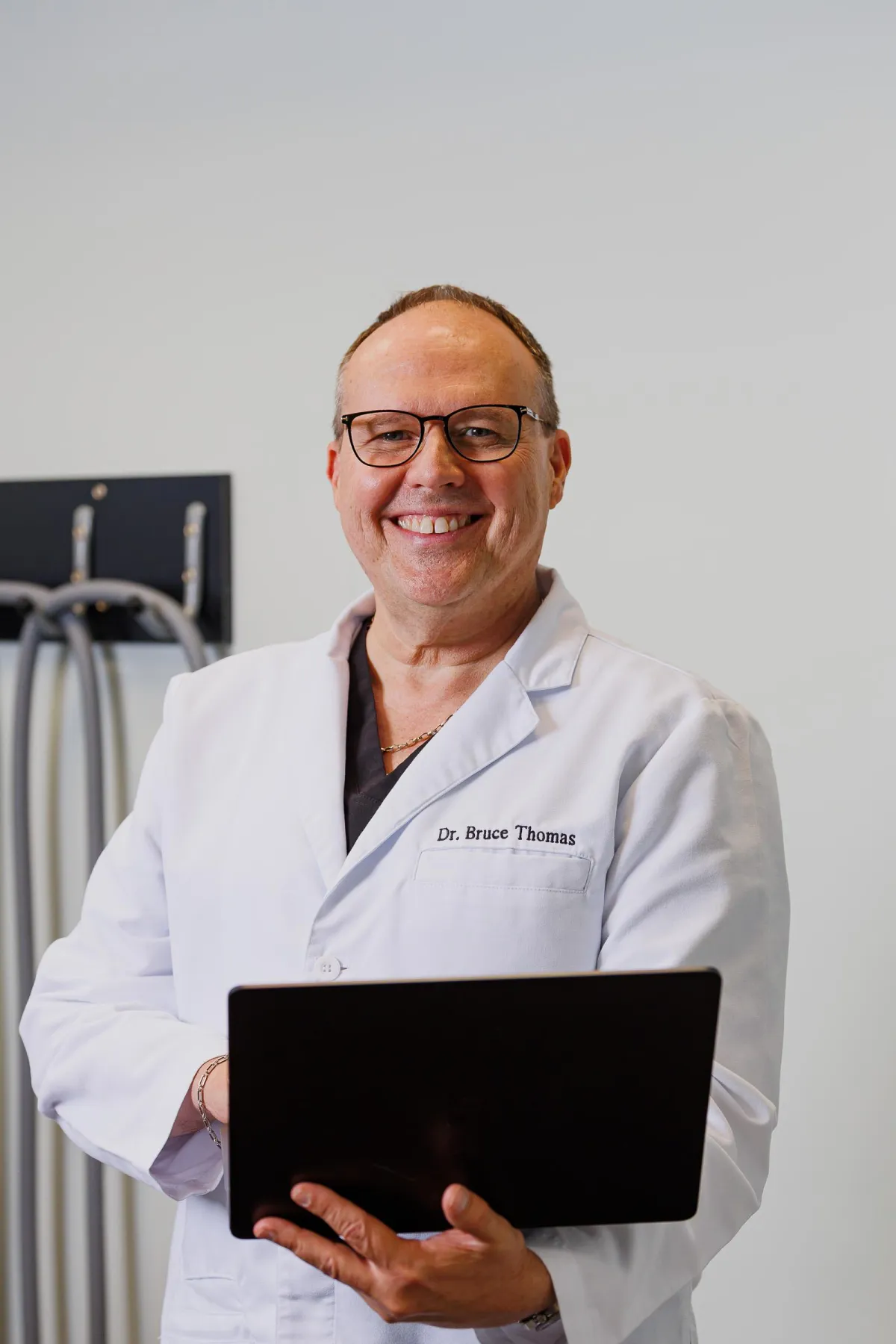
Start your transformation today!
Schedule your complimentary consultation with our friendly and knowledgeable team.