

If you've been asking whether polynucleotides are good for your skin, you're not alone — and you're not early to the conversation. Patients in South Korea and across Europe have been using PDRN (polydeoxyribonucleotide) injections for the better part of two decades. The results have been compelling enough that the treatment built a devoted following long before US regulators caught up.
That wait is over. Polynucleotides have now received FDA clearance in the United States, and if you've been searching for polynucleotide injections near you or PDRN treatment near you in the Sterling area, this is the moment to pay attention.
So What Are Polynucleotides, Exactly?
Polynucleotides are long-chain DNA fragments derived from purified salmon or trout sperm cells — a detail that sounds more unusual than it is. The molecular structure of these DNA fragments closely mirrors human DNA, which is precisely why the body responds to them so well. When injected into the skin, PDRN acts as a biological signal, essentially telling your cells to repair themselves, regenerate, and produce more of what aging skin loses: collagen, elastin, and hyaluronic acid.
This isn't volume replacement the way traditional filler works. Polynucleotides don't plump a hollow cheek or fill a nasolabial fold. What they do is more foundational — they improve the actual quality of the skin itself. Texture, hydration, firmness, and tone all shift over time as the tissue repairs from within.
For patients who've been wondering why their skin still looks tired or dull even after injectables, this distinction matters enormously. Filler addresses structure. Polynucleotides address biology.
Is PDRN Good for Skin? Here's What the Evidence Says
This question — is PDRN good for skin? — has a surprisingly robust answer for a treatment that's new to the American market. The published research goes back more than 20 years, largely from European and Asian clinical settings. Here's what consistently shows up across studies:
- Increased collagen synthesis. PDRN activates adenosine A2A receptors, which triggers fibroblast activity — the cells responsible for producing collagen and elastin. Patients see measurable improvements in skin density and firmness over a series of treatments.
- Enhanced hydration. Polynucleotides draw moisture into the tissue and support the skin's natural hyaluronic acid production, creating a dewy, plump quality that isn't about adding volume but about restoring the skin's own moisture-retaining capacity.
- Reduced inflammation. PDRN has well-documented anti-inflammatory properties, making it particularly useful for patients with redness-prone or sensitized skin.
- Accelerated tissue repair. In wound healing research, PDRN has consistently demonstrated the ability to speed up cellular regeneration — the same mechanism that makes it valuable for aging or sun-damaged skin.
- Improvement in fine lines and skin laxity. Patients who complete a full series typically report smoother texture, reduced fine lines, and skin that looks more rested and refreshed.
What makes these results different from many other treatments is that they compound. Each session builds on the last because you're stimulating the skin's own biology rather than introducing a temporary filler material.
How Is This Different from PRP?
The comparison comes up often, and it's a fair one. Both PRP (platelet-rich plasma) and polynucleotides are biologically derived, both stimulate the skin's regenerative processes, and both have earned real loyalty among patients who've tried them. But they work through different pathways.
PRP uses growth factors from your own blood to trigger healing and collagen production. It's personalized by definition, since it's made from your own biology, and it pairs exceptionally well with procedures like microneedling. Polynucleotides, by contrast, deliver a consistent, standardized dose of DNA fragments that directly signal cellular repair and tissue regeneration.
Some patients respond beautifully to one, some to both. We've written a more detailed comparison — Polynucleotides vs. PRP: Which Skin Regenerator Wins? — if you want to dig deeper into which approach might suit you better.
Who Is a Strong Candidate for Polynucleotide Injections?
One of the things we appreciate most about PDRN is how broadly it applies. This isn't a treatment with a narrow ideal patient. Polynucleotides tend to work well for:
- Patients in their 30s who want to bank collagen early and get ahead of the aging process rather than react to it later.
- Patients in their 40s and 50s who are noticing skin quality declining — increased dullness, fine lines, dryness, and a general loss of that lit-from-within quality — and want something that addresses root causes rather than masking them.
- Patients over 60 who need more than volume replacement and want to improve the actual condition of their skin alongside other treatments.
- Patients with sensitive or redness-prone skin who may not tolerate more aggressive resurfacing treatments well but still want meaningful results.
- Patients post-weight loss, including those on GLP-1 medications, whose skin has lost structural integrity and needs biological support to recover.
- Patients who feel their current treatment plan isn't addressing skin quality — they look refreshed in structure but still tired or aged in texture.
If you've been a long-term filler patient and started noticing that each round gets you less of the result you're after, polynucleotides deserve serious consideration. We've noticed this pattern ourselves with patients who come in frustrated by what they describe as diminishing returns — and quite often, the missing piece isn't more filler but better tissue quality underneath. You can read more about why polynucleotide injections are increasingly replacing filler for skin quality goals.
What to Expect From Treatment
Polynucleotide injections are administered in a series — typically three to four sessions spaced two to four weeks apart — because the results are cumulative. This is a treatment built around biology, and biology works on its own timeline. Most patients begin to notice changes in hydration and texture within the first few weeks. The more significant improvements in firmness and skin quality typically become apparent after completing the full series.
The injections themselves feel similar to other superficial skin injections — a series of small, precise points across the treatment area. There's minimal downtime. Some patients experience mild redness or swelling at injection sites for a day or two, which resolves quickly. Most patients return to their normal routine immediately.
Maintenance sessions every three to six months help sustain and build on your results over time. Like any biostimulatory treatment, the longer you stay consistent, the more the underlying tissue improves.
How Does It Fit Into an Existing Treatment Plan?
Polynucleotides integrate naturally with most other treatments, and often make them work better. Patients combining PDRN with neurotoxins like Botox find their skin looks more refined and healthy between appointments, not just less lined. Patients using it alongside biostimulators like Sculptra or Radiesse report that the surface quality of their skin keeps pace with the structural improvements happening deeper. Those pursuing RF microneedling find the two treatments complement each other — one stimulating deep collagen remodeling, the other supporting surface regeneration and hydration.
The principle here isn't complicated: better skin is the foundation everything else builds on. When the tissue itself is healthier, every other treatment delivers more of its potential.
If you're currently using combination treatment approaches, polynucleotides are worth discussing as a complement to your current plan.
A Note for GLP-1 Patients
If you're on semaglutide or tirzepatide and have noticed changes in your skin — thinning, crepiness, loss of the healthy glow you used to have — PDRN deserves a specific conversation. Weight loss is remarkable when it's working, but rapid fat loss can leave the skin's supporting structure depleted. Polynucleotides are one of the more targeted tools we have for addressing that at the biological level, not just the surface. You can read more about what comes next for skin after GLP-1 weight loss to get a fuller picture of the options.
Finding Polynucleotide Injections Near You in Sterling
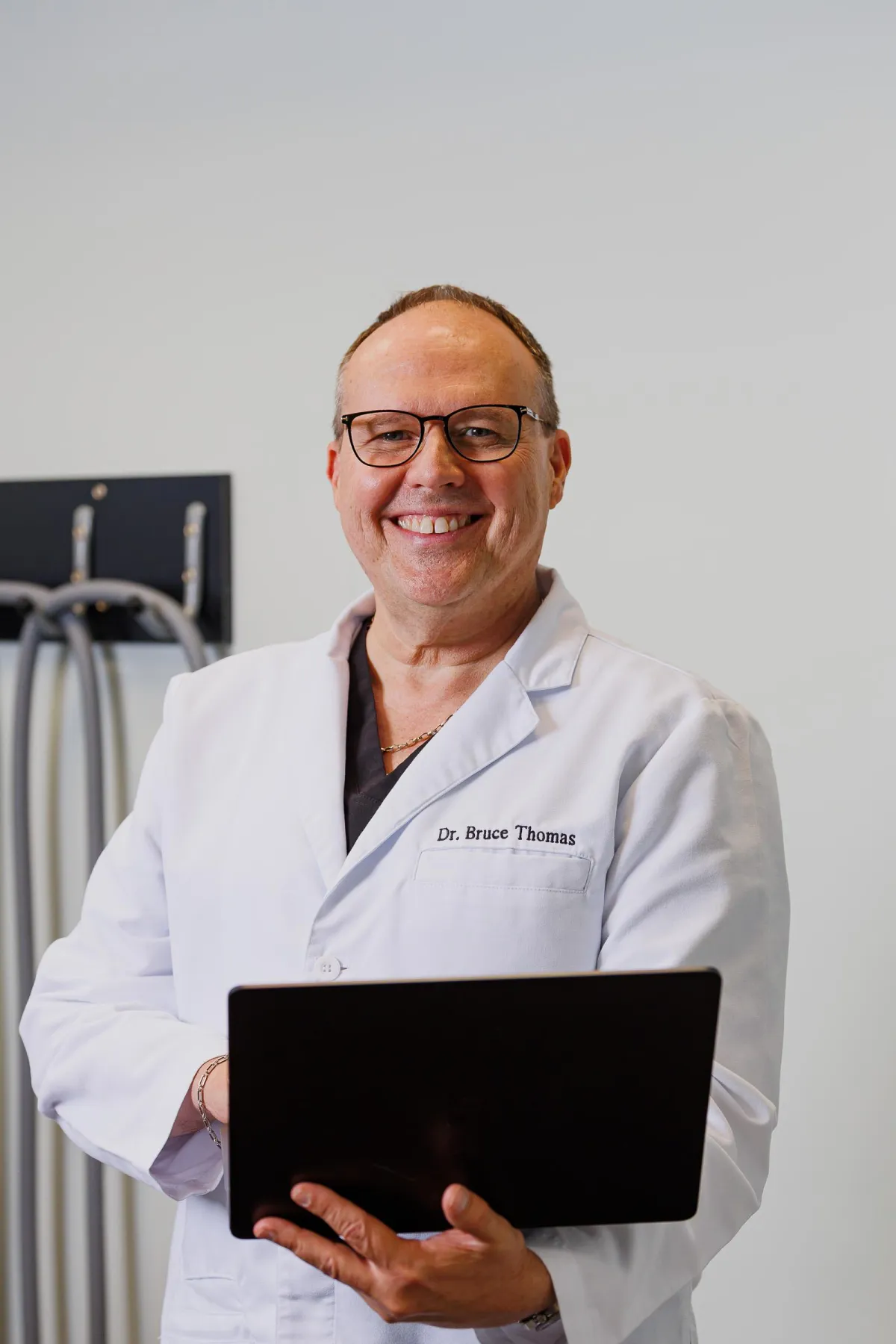
If you've been searching for PDRN treatment near you in Northern Virginia or the broader DC metro area, Physician Artistry in Sterling now offers polynucleotide injections as part of a physician-supervised skin regeneration program. Every treatment plan here is developed with Dr. Thomas directly — not handed off to a technician, not templated from a menu. Thirty-plus years of clinical experience means your plan reflects your specific skin, your history, and your goals.
We've seen what happens when patients get the right treatment for their skin rather than the most popular one. The results speak for themselves — and more often than not, our patients tell us they feel like themselves again, only more so.
If you're curious whether polynucleotides are the right fit for where your skin is right now, reach out to us. A conversation costs nothing, and it might be exactly what your skin has been waiting for.
Start your transformation today!
Schedule your complimentary consultation with our friendly and knowledgeable team.