
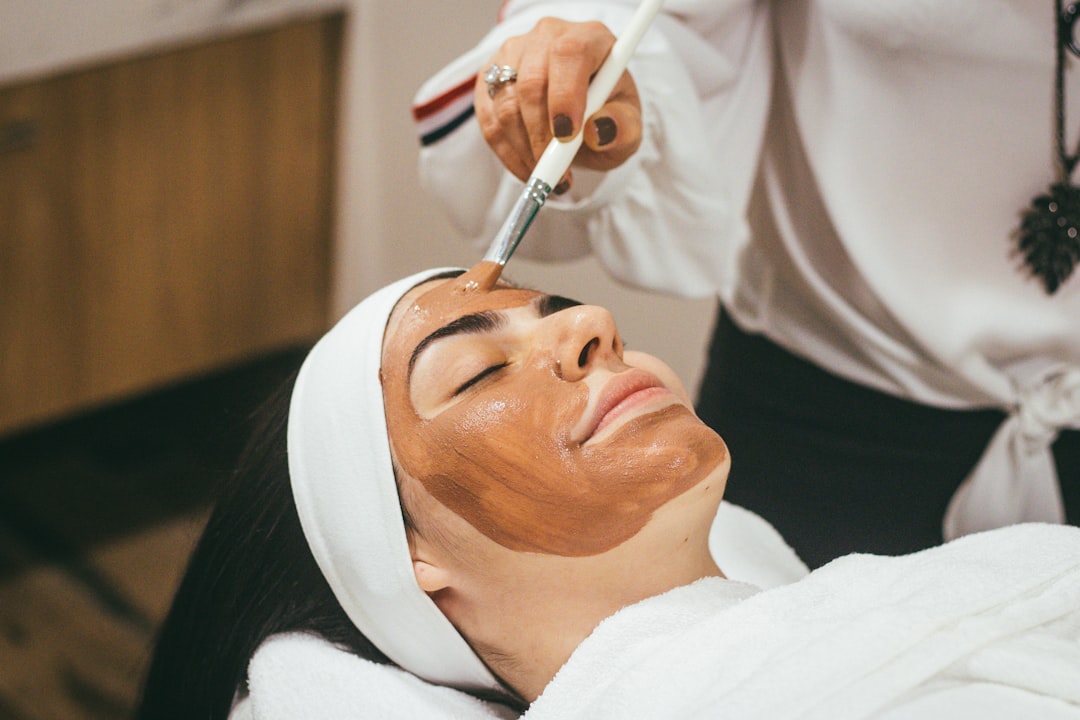
There's a quiet shift happening in aesthetic medicine right now, and it's worth paying attention to. Patients who have been loyal filler users for years — sometimes decades — are starting to ask a different kind of question. Not "where should I add volume?" but "why does my skin look tired even when my structure looks fine?" That distinction matters more than most people realize, and it's exactly why polynucleotide injections, powered by an ingredient called PDRN, are becoming one of the most requested treatments at practices like ours.
If you've been curious about PDRN skincare benefits but aren't sure how they compare to what you're already doing, this is the clearest explanation we can give you — written the way Dr. Thomas would explain it in the room with you.
What PDRN Actually Is (and Where It Comes From)
PDRN stands for polydeoxyribonucleotide. It's a purified DNA fragment derived from salmon sperm — yes, really — and it has a remarkably long track record in regenerative medicine, particularly in wound healing and tissue repair. What makes it useful for skin is that it works at a cellular level, activating receptors that signal your body to repair, regenerate, and rebuild. When injected into the skin, PDRN doesn't add volume the way hyaluronic acid filler does. Instead, it signals your cells to do their own work — stimulating collagen production, improving blood supply to the tissue, reducing inflammation, and accelerating the turnover of damaged or aging skin cells. The result isn't a fuller face. It's a healthier one. You may have also heard this referred to as a salmon DNA facial or a VAMP facial. If you're curious about that version of the treatment, we offer the VAMP Salmon Sperm Facial at Physician Artistry and can walk you through exactly how it works and whether it's right for your skin.What Does PDRN Do for Your Skin, Specifically?
This is the question most patients want answered before they commit to anything. So let's be specific. PDRN skin benefits operate across several distinct mechanisms that work together over time: Collagen and elastin stimulation. PDRN activates A2A adenosine receptors in your skin cells, which triggers a cascade of growth factors that stimulate fibroblast activity. Fibroblasts are the cells responsible for producing collagen and elastin — the structural proteins that keep skin firm, smooth, and resilient. As we age, fibroblast activity slows considerably. PDRN essentially gives those cells a reason to work again. Improved skin hydration. Unlike topical moisturizers that sit on the surface, PDRN works from within the dermis to improve the skin's ability to retain moisture. Patients consistently notice that their skin feels and looks more hydrated over a series of treatments — not because something was injected that holds water, but because the tissue itself has been repaired and is functioning better. Anti-inflammatory effects. Chronic low-grade inflammation is one of the primary drivers of skin aging — it breaks down collagen, disrupts pigmentation, and accelerates the changes we associate with looking older. PDRN has well-documented anti-inflammatory properties that help calm this process. For patients dealing with redness, sensitivity, or reactive skin, this alone can be a meaningful shift. Angiogenesis — better blood supply to skin. PDRN promotes the formation of new blood vessels in the tissue, which improves oxygen and nutrient delivery to your skin cells. Better-fed cells behave better. The visible result is often improved color, reduced dullness, and a more even, luminous tone. Cellular repair and DNA replication support. Polynucleotide fragments are building blocks for cellular DNA repair. When your skin cells have access to these fragments, they're better equipped to repair themselves after sun damage, environmental stress, and the general wear of daily life. Taken together, these mechanisms explain why what does PDRN do for your skin isn't a simple single-sentence answer. It does several things simultaneously, all of which compound over time with a proper treatment series.Why Patients Are Choosing PDRN Over (or Alongside) Filler
This is where the conversation gets nuanced — because PDRN isn't actually competing with filler for the same job. Filler replaces lost volume. PDRN improves the quality of the tissue itself. They're fundamentally different tools. But here's the practical reality: a significant number of patients who have been getting filler for years have reached a point where adding more volume isn't solving their main complaint anymore. Their skin looks tired. It's lost its texture, its glow, its ability to catch light in a flattering way. More filler doesn't fix that — and in some cases it can make the face look heavier without looking younger. For those patients, PDRN is the answer filler was never designed to provide. If you've read our piece on why repeat filler patients are switching to biostimulators, the logic is similar here. The aesthetic conversation has matured significantly. Patients are increasingly asking not just "how do I look?" but "how does my skin look?" — and those are two different questions. It's also worth noting that PDRN pairs exceptionally well with other treatments. Patients undergoing Secret RF Microneedling often find that adding a PDRN protocol enhances and extends their results, since both treatments work on tissue quality rather than surface correction alone. Similarly, patients who have been on GLP-1 medications and are managing skin laxity — something we've addressed in detail in our guide on GLP-1 medications and loose skin — are finding that PDRN adds a meaningful layer of cellular support during and after weight loss.What to Expect From a PDRN Treatment Series
PDRN is not a one-and-done treatment. This matters to set expectations clearly from the start. The research and clinical experience consistently show that polynucleotide treatments deliver their best results over a series — typically three to four sessions spaced two to four weeks apart, followed by maintenance every three to six months. This isn't a limitation; it's how the biology works. You're not filling a void, you're rebuilding a system. That takes time, and the results that come from giving it time are considerably more durable than what any single syringe of filler can offer. In the first few weeks, most patients notice improved hydration and a subtle shift in their skin's overall texture. By the second or third session, the changes become more visible — skin appears firmer, more even in tone, and noticeably more luminous. Patients frequently describe it as their skin looking "like itself again" at a younger point in time, rather than looking like something was done to it. The treatment itself involves a series of micro-injections into the dermis — the deeper layer of the skin where the real structural work happens. Most patients find it quite tolerable, especially with topical numbing. There is some redness and minor swelling immediately after, which typically resolves within 24 to 48 hours.Who Is the Ideal Candidate?
Honestly, a wide range of patients see meaningful benefit from PDRN skin treatments. But there are a few profiles where it tends to be particularly impactful: Patients in their 30s and 40s who are starting to notice that their skin doesn't look as vibrant as it used to, even when their structure is still intact. PDRN at this stage functions as genuine preventive care — maintaining the cellular machinery that produces collagen and elastin before significant loss has occurred. Patients in their 50s and 60s who have been relying on filler for volume and are noticing that skin quality has become their bigger concern. If you've been reading about what it means to address aging comprehensively rather than just chasing volume — as we wrote about in our guide on treatment approaches after 60 — PDRN fits naturally into a more holistic plan. Patients with reactive or sensitized skin who have been hesitant to pursue more aggressive treatments. PDRN's anti-inflammatory properties make it one of the gentler options for improving skin quality, even in patients whose skin doesn't always tolerate active ingredients well. Patients recovering from significant weight loss — particularly those on semaglutide or tirzepatide — whose skin has lost elasticity and quality during the process. The regenerative support that PDRN provides is genuinely useful in this context. Patients who want natural-looking improvement without looking like anything was done. Because PDRN works with your body's own systems rather than introducing foreign volume, the results look and feel like your own skin — just better.PDRN and the Bigger Picture of Skin Health
At Physician Artistry, Dr. Thomas has always taken the position that the best aesthetic outcomes come from treating the whole picture, not just the most obvious symptom. Filler has a place. Neurotoxin has a place. RF microneedling has a place. And PDRN has a place — a place that has been underrepresented in most conversations about aesthetic medicine until relatively recently. The patients who tend to be happiest with their results over the long term are the ones who stop chasing individual fixes and start thinking about their skin as a system that needs consistent, intelligent support. That might mean combining PDRN with collagen-boosting strategies appropriate for your decade, or pairing it with a treatment that addresses texture and tone at the surface level alongside the deeper regenerative work PDRN is doing. Every treatment plan at Physician Artistry starts with a real conversation — about what you're noticing, what matters most to you, and what approach makes the most clinical sense given your skin, your history, and your goals. That conversation is never rushed, and it's never one-size-fits-all. If you've been curious about PDRN and whether it might be what's been missing from your current approach, we'd love to talk through it with you.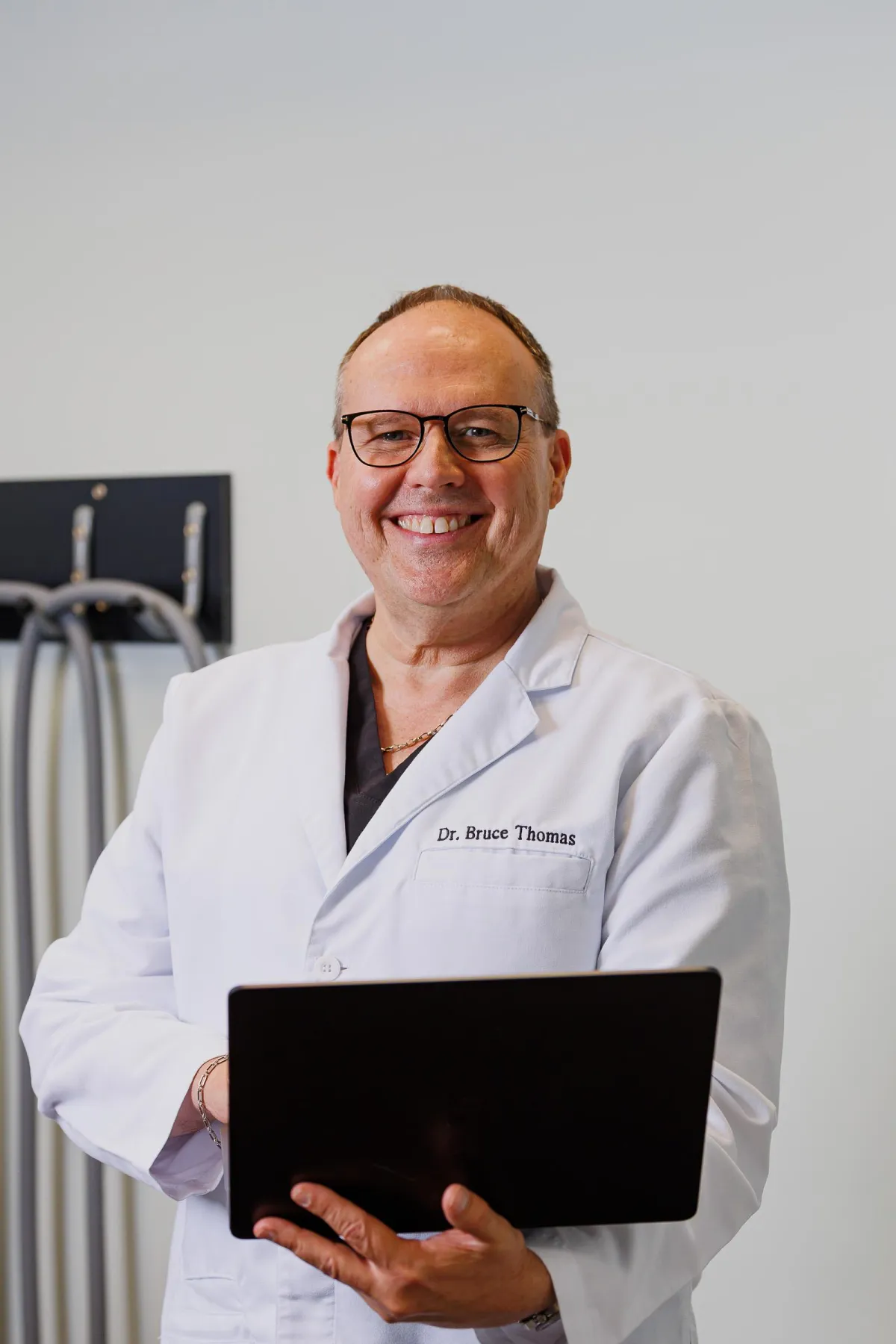
Start your transformation today!
Schedule your complimentary consultation with our friendly and knowledgeable team.