
If you've spent any time in wellness circles around the DC metro lately, you've probably heard someone mention peptides — specifically BPC-157. It's become something of a buzzword, whispered about in gyms, biohacking forums, and group texts among friends who are all quietly trying to feel better in their own skin. But most of what circulates online is either oversimplified or flat-out wrong. We think you deserve a clearer, more honest answer — the kind Dr. Thomas would give you sitting across the exam room table.
What BPC-157 Actually Is
BPC-157 is a peptide — a short chain of amino acids — that's been studied primarily for its role in tissue repair. Research and clinical use have centered on its potential to support healing in tendons, ligaments, and the gut lining, and to help calm inflammation after injury or intense physical stress. It's not a weight loss drug. It was never designed to be one.
Does BPC-157 Help With Weight Loss?
Here's the honest answer: not directly. BPC-157 doesn't suppress appetite, slow gastric emptying, or trigger the hormonal pathways that drive fat loss the way GLP-1 medications do. If someone tells you BPC-157 alone will get you to your goal weight, that's not clinically accurate, and we won't tell you that just to make a sale.
What BPC-157 can do is support the body around a weight loss journey. Many of our patients on semaglutide or tirzepatide are also increasing their activity levels, starting resistance training, or recovering from old injuries that flared up once they started moving more. In that context, BPC-157's reputation for supporting joint and gut recovery can make it easier to stay consistent — and consistency is what actually drives sustainable fat loss. We've seen this play out especially in patients navigating a weight loss plateau, where rebuilding movement tolerance matters as much as the medication itself.
Can BPC-157 Help With Weight Loss Indirectly?
This is where it gets more interesting. Indirectly, yes — by supporting the systems that make weight loss sustainable rather than the number on the scale directly. Think of it less as a weight loss tool and more as an infrastructure investment: better gut comfort, better recovery between workouts, less downtime from nagging aches. For patients who've already lost significant weight through GLP-1 therapy and are now rebuilding strength, that kind of support can be the difference between staying on track and stalling out.
We're also seeing growing interest from patients who are combining GLP-1 treatment with other therapies to address the whole picture — energy, recovery, skin, hormones — rather than chasing weight loss in isolation. Peptide therapy often fits naturally into that broader plan.
How Much Does Peptide Therapy Cost?
This is the question we get most often once someone decides peptides might be worth exploring, and it's a fair one — discretion and transparency go hand in hand here. Peptide therapy pricing depends on a few factors: which peptide (or combination) is right for your goals, your dosing protocol, and how long a course of treatment runs. Most patients start with an initial consultation and bloodwork so Dr. Thomas can personally evaluate whether a peptide protocol makes sense alongside anything else you're already doing — whether that's hormone therapy, NAD+ therapy, or a GLP-1 program.
Rather than quoting a generic number that may not apply to you, we'd rather sit down, understand your full picture, and give you a precise cost based on your actual plan — not a package built for a stranger. That's the difference between a corporate med spa menu and a physician actually reading your chart.
Why This Matters More in Your 40s, 50s, and Beyond
As hormones shift and recovery slows with age, the body's natural repair processes don't work quite as efficiently as they used to. That's true whether you're managing perimenopause fatigue, recovering from a testosterone decline, or simply trying to keep training hard without getting sidelined by injury. Peptide therapy is one more tool — used thoughtfully, under medical supervision, and never as a standalone miracle — that can help close that gap.
Our Approach at Physician Artistry
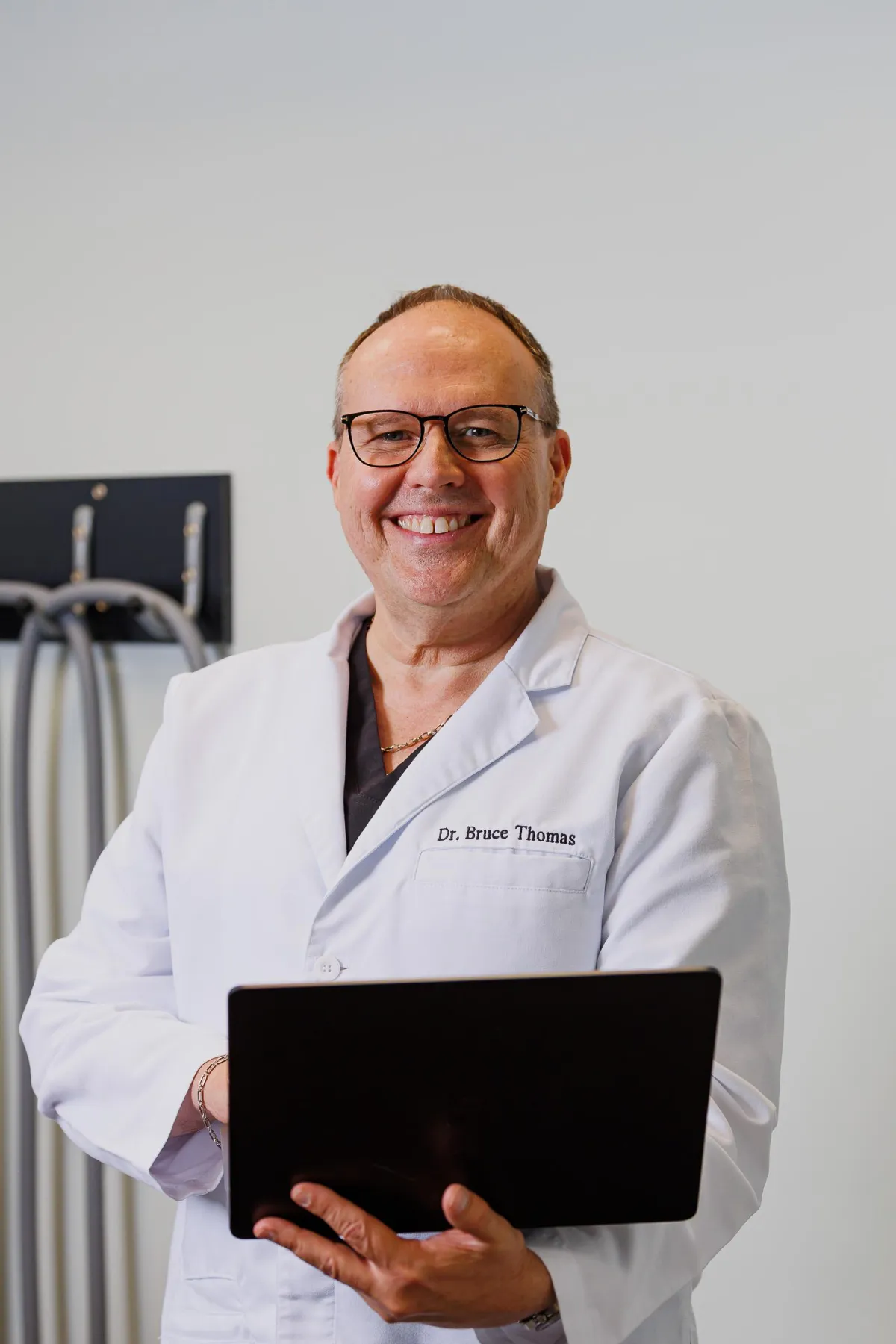
We don't believe in trend-chasing. Every peptide protocol we recommend is personally reviewed by Dr. Thomas, built around your labs, your goals, and your existing treatment plan — not a one-size-fits-all menu. If you're curious whether peptide therapy belongs in your routine, or you're already on a GLP-1 medication and wondering how to support your body through the next phase, we'd love to talk it through with you. No pressure, no sales script — just an honest conversation about what makes sense for you.
Start your transformation today!
Schedule your complimentary consultation with our friendly and knowledgeable team.