
You've probably been told that tear trough filler is the answer to under-eye bags. Maybe you've even tried it. And yet — you're still reading this, which means something didn't go quite right.
Here's what most practices won't tell you upfront: filler is the right solution for some under-eye concerns, and completely the wrong solution for others. The difference matters more than almost anything else in facial aesthetics, because placing filler in the wrong situation doesn't just fail to help — it can make the problem look significantly worse.
At Physician Artistry in Sterling, VA, Dr. Thomas has spent over 30 years learning which concerns respond to which treatments, and under-eye bags are one of the most frequently mismanaged areas in all of aesthetic medicine. This is a conversation worth having carefully.
Why Under-Eye Bags Are Not All the Same Problem
The term "under-eye bags" gets used loosely to describe several very different things happening in the same small area of your face. Before any treatment makes sense, it's worth understanding which category actually applies to you.
True under-eye hollows (tear trough deformity): This is what filler is actually designed to address. The tear trough is the groove that forms between your lower eyelid and the upper cheek — when volume is lost in that area, you develop a shadow that reads as darkness and depth. It looks tired. This is a volume problem, and adding volume strategically can restore the smooth transition that makes eyes look rested and bright.
Puffiness from fat pad protrusion: This is the kind of under-eye bag that actually bulges outward — a soft, pillow-like swelling that's present when you wake up and doesn't fully resolve. What's happening here is that the small pockets of fat that normally cushion the eye are pushing forward through weakened tissue. Adding filler to this situation doesn't remove the bulge — it can actually make the overall area look more swollen by raising the surrounding tissue to match the protrusion.
Fluid retention and puffiness: Seasonal allergies, salt intake, alcohol, poor sleep, and inflammation can all cause the under-eye area to swell temporarily. This is a dynamic problem, not a structural one, and no injectable treatment is going to resolve it at its source.
Skin laxity and crepiness: As collagen declines with age, the delicate skin under the eye thins and loses its elasticity. This creates a textural issue — fine crinkling, translucency, and the appearance of bags even when there isn't significant fat protrusion or true volume loss.
Understanding which of these you're dealing with — or which combination — is the starting point for every honest conversation about under-eye treatment.
When Filler Actually Isn't the Answer
The tear trough is one of the most technically demanding areas in the face for filler placement. The skin here is the thinnest anywhere on the body. The tissue is highly vascular. Swelling occurs easily and can persist. And the visual margin for error is extremely small — the Tyndall effect, a bluish discoloration caused by filler placed too superficially, is a well-documented complication in this exact zone. (If you've experienced this, our page on under-eye filler that dissolved itself and what happens next is worth reading.)
Beyond technical risk, filler simply cannot address the underlying causes of certain under-eye concerns. Protruding fat pads require a structural solution, not a volumizing one. Skin laxity responds to collagen regeneration, not to adding product beneath the surface. And chronic puffiness from inflammation needs to be addressed systemically, not cosmetically.
Many patients arrive at Physician Artistry having had filler placed elsewhere that left them looking more tired, more puffy, or more unnatural than before. The honest answer in those cases isn't more filler — it's a different approach entirely.
What Actually Works for Under-Eye Bags Filler Cannot Fix
The good news is that there are real, effective options — and the best outcomes often come from combining them thoughtfully rather than reaching for a single solution.
Secret RF Microneedling
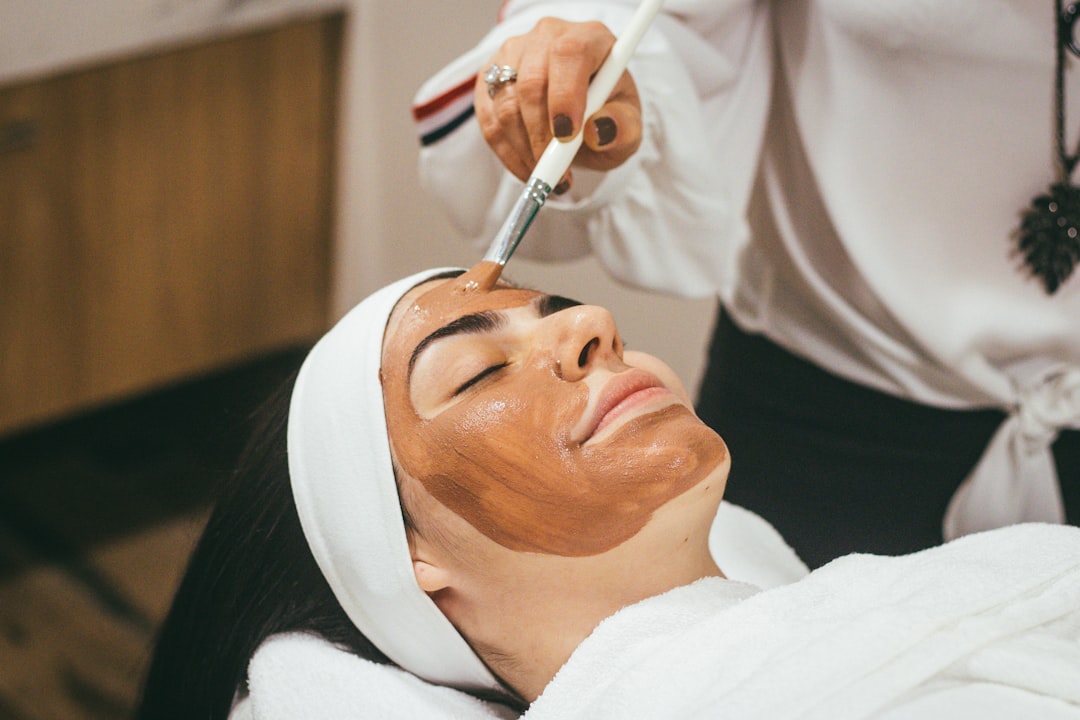
Secret RF Microneedling uses radiofrequency energy delivered through ultra-fine needles to trigger collagen and elastin production in the deeper layers of skin. For the under-eye area specifically, this addresses two of the most common contributors to bags and shadows: skin laxity and texture irregularity.
As collagen is rebuilt over weeks and months following treatment, the skin becomes firmer, more resilient, and better able to support the structures beneath it. The crepey, translucent quality that makes under-eye bags appear worse diminishes. Shadows lighten because the skin itself is healthier and more opaque.
This isn't an overnight result — collagen remodeling takes time — but the improvements are genuine and cumulative. Patients who complete a series of treatments consistently describe a quality of change that feels natural rather than constructed. "Noticeably tightened and smoothed" is how one patient described her skin after RF microneedling, and that captures it well.
Polynucleotide Injections (PDRN)
Polynucleotides are one of the most exciting shifts in aesthetic medicine right now, and they're particularly well-suited to the under-eye area. Unlike traditional fillers that add volume, PDRN injections work by stimulating your skin's own repair mechanisms — improving cellular regeneration, hydration at a deep level, and overall tissue quality.
The result isn't a filled look. It's healthier, more resilient skin that looks better from the inside out. For patients with thin, tired-looking under-eye skin who aren't good candidates for volume-based filler, polynucleotides can achieve meaningful improvement without the risks associated with filler in this zone. You can read more about how polynucleotide injections are changing the approach to skin quality across the face.
Skincare and Adjunctive Treatments
For patients dealing with chronic puffiness and inflammation, the most sustainable improvements often come from addressing root causes — and a physician-led practice is actually in a position to help you think through those variables. Sleep quality, dietary patterns, allergy management, and hormonal factors all influence how the under-eye area looks day to day.
Topical treatments containing peptides, retinoids used appropriately, and targeted skincare can support the skin barrier in this area and reduce the appearance of fine lines and darkness over time. These aren't dramatic interventions, but they support and extend the results of clinical treatments.
When Surgical Referral Is the Right Answer
There are cases — particularly significant fat pad protrusion that has been present since youth, or severe skin excess — where the most honest thing a physician can tell you is that a surgical consultation with an oculoplastic or facial plastic surgeon is worth pursuing. Lower blepharoplasty (surgical eye bag removal) can address structural fat and excess skin in a way that no non-surgical treatment can replicate.
Dr. Thomas's commitment is to help you make the best decision for your specific situation — not to sell you something that won't deliver. If surgery is genuinely the right answer for what you're dealing with, that's what you'll hear.
The Combination Approach: Why It Matters Here
Most patients with complex under-eye concerns benefit from addressing multiple contributors at once. Someone dealing with mild fat protrusion, skin laxity, and hollowing in the lateral tear trough might need a thoughtful combination of RF microneedling for skin quality, conservative filler only where volume loss is genuinely the issue, and lifestyle guidance for the inflammatory component.
This is exactly why having a physician personally evaluate your concerns — rather than a technician or sales coordinator — changes the quality of your outcome. The under-eye area doesn't reward one-size-fits-all treatment. It rewards precision, restraint, and a comprehensive understanding of what's actually happening. As many patients at Physician Artistry have noted, it's the "comprehensive and thoughtful approach" that makes the difference between looking refreshed and looking like something was done to your face.
We've also written about how combining treatments generally produces better results than single sessions — and the under-eye area is one of the clearest examples of where that principle holds true.
What to Expect at Your Consultation
When you come in to discuss under-eye concerns at Physician Artistry, Dr. Thomas will evaluate your full facial anatomy — not just the area you're focused on. Under-eye bags rarely exist in isolation. Midface volume loss, cheek position, and skin quality across the face all influence how the under-eye area appears. A solution that looks right in isolation may look off in the context of your whole face.
You'll leave with a clear understanding of what's actually driving your concern, which treatment or combination of treatments addresses it most effectively, what realistic outcomes look like and on what timeline, and what filler can and cannot do in your specific case.
That kind of honest, individualized guidance is what "warm expertise, clinical precision" actually means in practice.
Ready to Have a Real Conversation About Your Under-Eye Concerns?
If you've tried filler before and weren't happy with the results, or if you've been wondering whether filler is even right for what you're seeing, a consultation with Dr. Thomas is the place to start. Physician Artistry serves patients throughout Sterling, VA, Northern Virginia, Loudoun County, and the broader DC metro area.
Call us or book your consultation online. You'll talk to a physician — not a coordinator running through a menu — and you'll leave knowing exactly what your options are.
Start your transformation today!
Schedule your complimentary consultation with our friendly and knowledgeable team.