

If you've been researching ways to improve your skin texture, reduce pigmentation, or smooth out early signs of aging, you've almost certainly landed on two names: microneedling and chemical peels. Both are proven. Both are popular. And both can genuinely transform your skin when used correctly.
But they're not interchangeable — and choosing the wrong one for your skin type or concern can mean slower results, more downtime than you expected, or simply leaving a better option on the table.
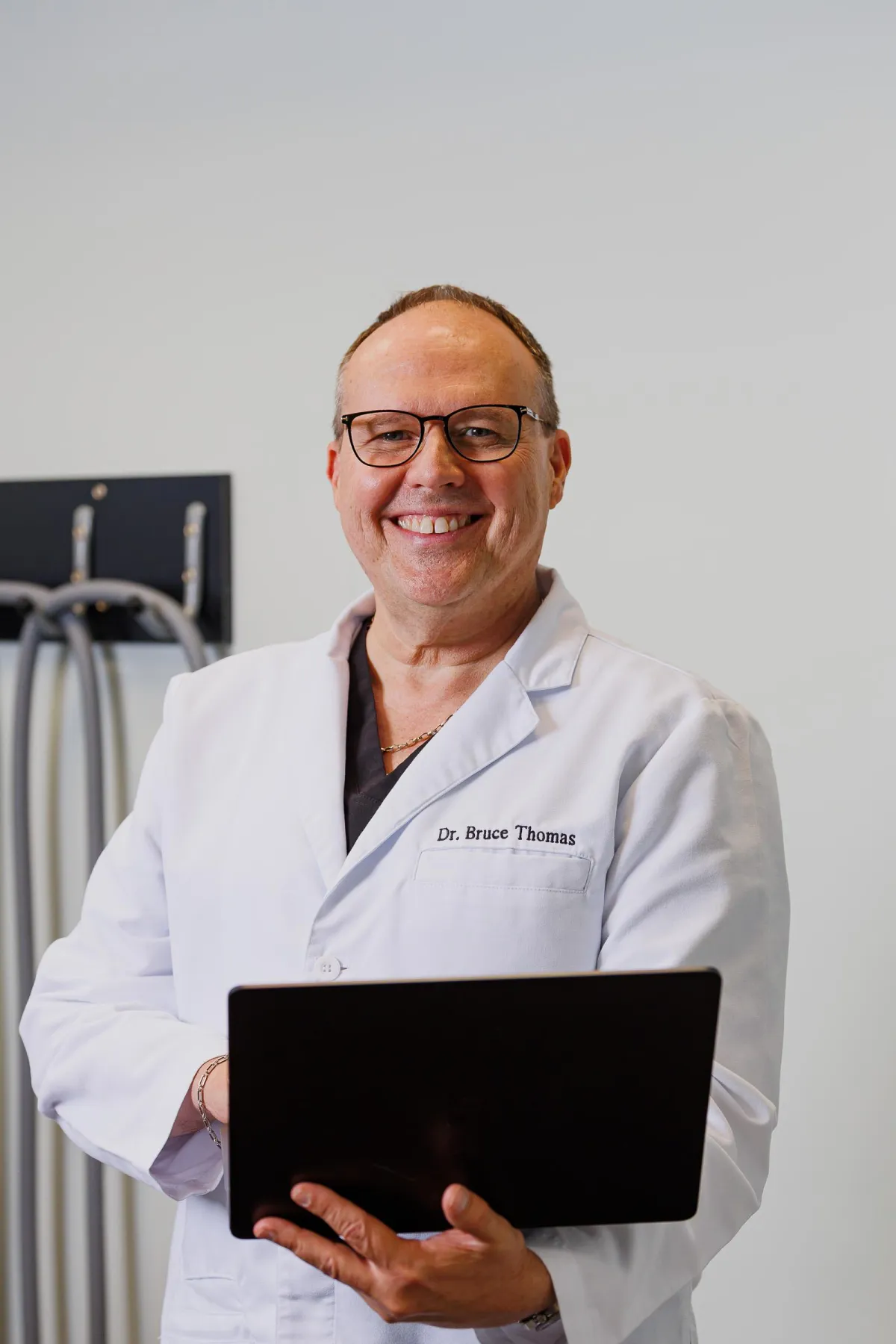
At Physician Artistry in Sterling, VA, Dr. Thomas and his team take the time to understand exactly what your skin needs before recommending either treatment. That's not a sales pitch — it's just how a physician-led practice operates. You deserve a recommendation based on your skin, not on what's easiest to schedule.
So let's walk through how each treatment works, what it's best for, and how to decide which one makes the most sense for you.
How Microneedling Works
Microneedling uses a device with tiny, controlled needles to create micro-channels in the surface of the skin. That sounds more dramatic than it feels — most patients describe it as a mild prickling sensation, not pain. The real action happens underneath the surface.
When your skin detects those micro-injuries, it triggers a healing response. That response includes collagen and elastin production — the structural proteins responsible for firmness, bounce, and smooth texture. Over the weeks and months following treatment, that new collagen gradually remodels your skin from the inside out.
The version offered at Physician Artistry — Secret RF Microneedling — takes this a step further by combining traditional microneedling with radiofrequency energy. The RF energy delivers controlled heat into the deeper layers of the skin, amplifying collagen stimulation and adding a meaningful skin-tightening effect that standard microneedling alone can't achieve.
If you want to go deeper on how RF microneedling compares to the traditional version, we've covered that in detail here: What Is Microneedling with RF and How Is It Different from Regular Microneedling?
How Chemical Peels Work
Chemical peels use a carefully selected acid solution — glycolic, lactic, salicylic, TCA, or others — applied directly to the skin's surface. The acid dissolves the bonds holding dead and damaged skin cells together, allowing them to shed and revealing fresher, more even-toned skin underneath.
The depth of the peel determines both the results and the recovery. Light peels (sometimes called "lunchtime peels") cause minimal peeling and almost no downtime. Medium-depth peels penetrate further and can address more significant pigmentation, texture issues, and fine lines — but they come with several days of visible peeling and redness. Deep peels are rarely performed in a medical spa setting and are generally reserved for surgical contexts.
The key thing to understand about chemical peels is that they work primarily on the surface of the skin. They're excellent at addressing what's happening in the upper layers — discoloration, sun damage, rough texture, clogged pores — but they don't reach the deeper structural layers where collagen lives.
For a thorough overview of what peels involve and what to expect, see: What Is a Chemical Peel and Is It Right for Your Skin?
The Core Difference: Surface vs. Structure
Here's the clearest way to think about it:
Chemical peels work from the outside in. They remove damaged surface layers to reveal cleaner, more even skin beneath. They're fast-acting and highly effective for pigmentation, sun damage, and texture irregularities in the upper layers of skin.
Microneedling works from the inside out. It triggers your body's own healing response to build new collagen and remodel the deeper layers of your skin. Results develop gradually over weeks and months, but they tend to be more durable — and they address concerns that surface treatments simply can't reach, like laxity, deeper scars, and loss of firmness.
Neither approach is better in an absolute sense. They're just doing different things. And that's exactly why understanding your primary concern matters so much before you book.
Which Skin Concerns Does Each Treat Best?
Chemical Peels Are Often the Better Choice For:
- Brown spots, age spots, and sun damage
- Uneven skin tone and hyperpigmentation
- Rough, dull surface texture
- Mild fine lines, especially on the surface layer
- Active acne and clogged pores (with salicylic-based peels)
- Melasma (with careful selection of peel depth and type)
If pigmentation is your primary complaint — whether from sun exposure, hormonal changes, or years of accumulated damage — a well-chosen chemical peel can deliver noticeable results relatively quickly. Our patients dealing with hyperpigmentation often find peels to be the most direct path forward. More on that here: How to Treat Hyperpigmentation and Uneven Skin Tone with Chemical Peels in Sterling, VA.
Microneedling Is Often the Better Choice For:
- Acne scars and depressed scarring
- Skin laxity and early sagging
- Fine lines and wrinkles caused by collagen loss
- Large pores
- Uneven skin texture that goes beyond surface dullness
- Overall skin quality and firmness improvement
- Stretch marks
If your concern is more structural — loss of firmness, textural irregularity that you can feel not just see, or scarring — microneedling (especially the RF version) is typically the stronger choice. You can read more about what microneedling does for skin texture here: What Is Microneedling and Can It Really Improve Your Skin Texture?
What About Speed? Which One Works Faster?
This is the question most people are really asking — and the honest answer is: it depends on what "faster" means to you.
If you want visible results quickly, a light-to-medium chemical peel can show meaningful improvement within 7 to 14 days, once the peeling resolves. The skin that emerges after a peel is often noticeably brighter, more even, and smoother. That kind of quick turnaround is part of why peels are a popular choice before events or weddings. (Our pre-wedding skincare guide covers this in more detail: Treating Yourself Before a Wedding: Med Spa Timeline for Sterling Brides.)
If you want longer-lasting structural improvement, microneedling takes longer to show its full results — typically 3 to 6 months across a series of sessions — but what you're building is genuinely new collagen. That's not a quick fix, but it's a durable one. Patients who complete a full microneedling series often describe results that continue improving for months after their last session.
The short version: chemical peels move faster on the surface. Microneedling builds more lasting change underneath. Knowing your timeline and your goals helps determine which "faster" matters more for you.
Downtime: What to Actually Expect
Chemical Peel Downtime
Light peels: minimal to no visible peeling, mild redness for 24 to 48 hours, little to no social downtime.
Medium peels: visible peeling and flaking for 5 to 7 days, redness, sensitivity to sun. You'll want to plan around this if you have events or can't avoid being outdoors.
Microneedling Downtime
Standard microneedling: redness and mild swelling for 24 to 48 hours, similar in appearance to a mild sunburn. Most patients feel comfortable returning to normal activities the next day.
Secret RF Microneedling: slightly more redness and swelling due to the added radiofrequency energy, typically resolving within 2 to 3 days. Still very manageable compared to more aggressive laser treatments.
Who Is Each Treatment Right For?
Skin Tone Considerations
This matters more than most people realize. Chemical peels — especially medium-depth peels — carry a higher risk of post-inflammatory hyperpigmentation in patients with medium to deep skin tones. Choosing the wrong peel for your skin tone can actually worsen discoloration rather than improve it. A physician-supervised practice will always assess this before recommending a peel strength.
Microneedling, by contrast, is generally considered safe across a broader range of skin tones, including deeper complexions. This makes it a more versatile option for many patients who might not be ideal candidates for aggressive peels.
Active Acne
If you have active breakouts, certain chemical peels (particularly salicylic acid-based options) can be genuinely helpful. Active acne is generally a contraindication for microneedling, since the needles can spread bacteria and worsen inflammation.
Rosacea and Sensitive Skin
Both treatments require careful consideration for patients with rosacea or highly reactive skin. Peels can trigger flares in rosacea-prone skin. Microneedling may be better tolerated, but the approach needs to be customized. See more about managing redness and rosacea here: How to Treat Redness, Rosacea, and Uneven Skin Tone with Med Spa Treatments in Sterling, VA.
Can You Combine Both Treatments?
Yes — and for some patients, a strategic combination is actually the most effective approach. A series of chemical peels can address surface pigmentation and texture while a course of RF microneedling works on the deeper structural concerns simultaneously. The key is sequencing them appropriately, with enough healing time between treatments, rather than layering them too aggressively.
This kind of layered approach is something Dr. Thomas evaluates on a case-by-case basis, because what works beautifully for one patient could be too aggressive for another. If you're curious about how treatments can be thoughtfully combined, this piece is worth reading: Surprising Med Spa Treatments That Pair Perfectly Together.
Building a personalized plan rather than treating each appointment in isolation is one of the things that separates a physician-led practice from a walk-in spa. If you'd like to think through your full skin picture, this guide is a good starting point: How to Build a Personalized Med Spa Treatment Plan for Your Skin Goals in Sterling, VA.
What About the Cost?
Chemical peels generally have a lower per-session cost than microneedling, and they tend to require fewer sessions to achieve initial results. However, maintenance peels are often needed seasonally to sustain those results — particularly for ongoing pigmentation management.
Microneedling (especially Secret RF) has a higher per-session cost and typically requires a series of 3 to 4 sessions. That said, the collagen stimulation it produces is ongoing, and many patients find their results hold up well for a year or more before they feel the need to return for additional sessions.
When you factor in long-term value alongside upfront cost, the comparison becomes more nuanced. Your provider can help you think through the math in the context of your specific goals.
The Question Worth Asking Before You Book
Before choosing between microneedling and a chemical peel, it helps to get specific about what's actually bothering you. Not just "my skin looks tired" — but what exactly do you want to change?
- Is it the brown spots from years of sun exposure?
- Is it the texture — the rough feel, the visible pores?
- Is it the softness and firmness your skin used to have?
- Is it scarring that's been there for years?
- Is it dullness and an overall lack of radiance?
Each of those answers points somewhere slightly different. A provider who takes the time to understand your specific concern — rather than defaulting to whatever's on promotion — is the one who's going to get you to your goal more efficiently.
That's how things work at Physician Artistry. Dr. Thomas has spent over 30 years understanding how skin responds, heals, and changes — and that depth of experience shapes every recommendation made here. Patients consistently describe the approach as "comprehensive and thoughtful," and that's not something that happens by accident. It's what physician oversight actually looks like in practice.
Ready to Find Out Which Treatment Is Right for You?
If you've been searching for skin resurfacing near you in Northern Virginia, the most useful next step isn't more research — it's a real conversation with someone who can look at your skin and give you an honest, personalized answer.
At Physician Artistry in Sterling, VA, we're happy to walk through your options with you — no pressure, no upselling, no one-size-fits-all protocols. Just a straightforward conversation about what your skin actually needs and what the most effective path forward looks like for you specifically.
Reach out to schedule a consultation, and let's figure it out together.
Start your transformation today!
Schedule your complimentary consultation with our friendly and knowledgeable team.