
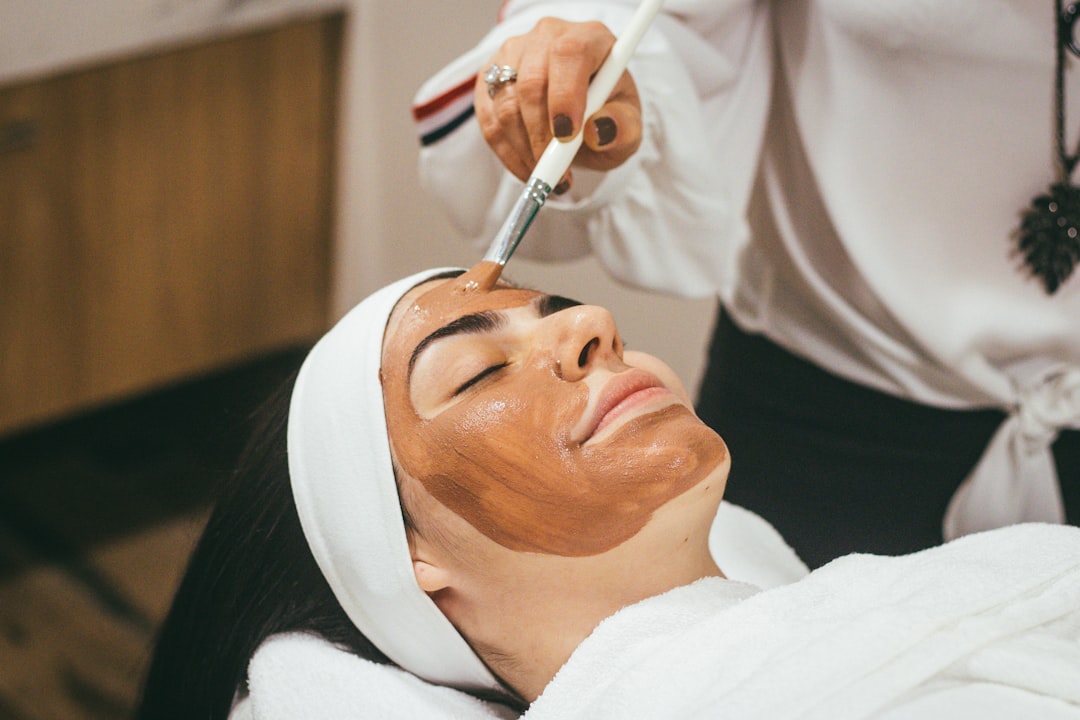
Fall is the season that sneaks up on everyone. One day it's August, and then suddenly you're looking at a calendar full of weddings, school reunions, holiday work parties, and family gatherings — all of them occasions where you want to feel genuinely good about how you look. If microneedling has been on your radar, fall is actually one of the best times of year to do it. But timing really does matter, and getting it right makes all the difference between glowing for your event and still being in the pink-skin recovery phase when it arrives.
At Physician Artistry in Sterling, VA, we walk patients through this kind of planning all the time. The goal is never to rush a treatment to hit a deadline — it's to build a thoughtful schedule that lets your skin do what it does naturally, just more of it, and at the right pace. Here's what you need to know.
What Microneedling Actually Does to Your Skin
Before we talk timing, it helps to understand what's happening under the surface. Microneedling works by creating thousands of tiny, controlled micro-injuries in the skin. That sounds counterintuitive, but those micro-injuries trigger your body's natural healing response — and that response includes a meaningful surge in collagen and elastin production. The result, over the following weeks, is skin that's firmer, smoother, more even in tone, and genuinely more luminous.
The key phrase there is "over the following weeks." Microneedling is not a same-day glow treatment. The improvements build progressively as your body continues producing new collagen — which means the best results typically appear four to six weeks after your final session, not immediately after your first one.
If you're interested in understanding how RF microneedling compares to traditional microneedling, that's worth reading before you book. The core timing principles are similar, but the depth and stimulation are meaningfully different.
How Many Microneedling Sessions Do You Actually Need?
This is one of the most common questions we hear, and the honest answer is: it depends on what you're trying to address.
For general skin texture, pore size, dullness, and early fine lines, most patients see excellent results with three sessions spaced four weeks apart. If you're working on more established wrinkles, acne scarring, or significant skin laxity, four to six sessions may give you the full transformation you're looking for. One session is rarely enough to see the complete picture — though many patients do notice improvement after just one, which is encouraging.
Here's a practical breakdown of what to expect:
- 1 session: A noticeable improvement in skin quality and a subtle glow — great as a one-time refresh before a single event if timed correctly
- 3 sessions: The standard recommendation for meaningful, lasting improvement in texture, tone, and fine lines
- 4–6 sessions: Best for deeper concerns like moderate wrinkles, acne scars, or skin that needs significant collagen rebuilding
If you've been curious about the combination of PRP and microneedling — sometimes called a vampire facial — that's worth exploring too. Adding PRP to a microneedling session enhances the collagen-stimulating response and can accelerate and deepen the results, which is particularly relevant if you're working with a tighter timeline.
The Microneedling Fall Event Timeline: Working Backward from Your Date
This is where planning gets specific. Let's say you have a significant event — a fall wedding, a milestone birthday celebration, a holiday party you've been looking forward to — and you want your skin to look its absolute best. Here's how to count backward from that date.
If your event is 10–12 weeks away
This is the ideal window for a three-session series. You have enough time to complete all three sessions spaced four weeks apart, allow the final collagen remodeling to complete, and still have a comfortable buffer before your event. This is the scenario most patients hope for, and it's the one that tends to produce the most satisfying results.
If your event is 6–8 weeks away
You can realistically complete two sessions, spaced three to four weeks apart, and still see meaningful improvement. Two sessions won't give you the full series result, but they will give you noticeably better texture, more even tone, and a genuine glow that's visible and camera-ready by your event date.
If your event is 4–6 weeks away
A single well-timed session is still worthwhile. Your skin will go through the initial healing phase in the first week, then continue improving over the following three to four weeks as collagen builds. By week four to five, most patients are in the sweet spot of their results — which puts you right at your event. This works best for patients who already have reasonably good skin and are looking for a meaningful refresh rather than a dramatic correction.
If your event is less than 3 weeks away
This is where we'd gently pump the brakes on microneedling and have an honest conversation about what's realistic. The initial healing phase — redness, mild swelling, some skin sensitivity — typically lasts five to seven days. That's manageable, but it means you need adequate runway. If your event is in two weeks, we'd likely recommend exploring other options: a HydraFacial for immediate glow, or collagen-supporting treatments that work on a shorter timeline.
What to Expect After Each Session
Knowing what the days after a microneedling treatment actually look like helps you plan your social schedule around treatment dates — not the other way around.
Day 1: Your skin will look and feel like a moderate sunburn. There may be some swelling, particularly around areas with thinner skin. This is normal and expected.
Days 2–3: Redness begins to fade. Some patients experience mild peeling or dry, tight-feeling skin. Keeping skin hydrated and avoiding active skincare products (retinols, acids, exfoliants) is important during this window.
Days 4–7: Most patients are fully presentable — no visible redness or peeling — and can return to their regular skincare routine. Makeup can typically be applied by day two or three, though we usually recommend waiting a full day post-treatment if possible.
Weeks 2–6: This is when the real work happens beneath the surface. Collagen remodeling continues long after your skin looks healed. Many patients notice their skin continuing to improve week over week during this phase.
Why Fall Is Genuinely One of the Best Times for Microneedling in Northern Virginia
It's not just about the events on your calendar. Fall has real environmental advantages for skin recovery.
Sun exposure is the single biggest factor that can disrupt microneedling recovery. After treatment, your skin is more photosensitive than usual, and UV exposure during the healing window can lead to post-inflammatory hyperpigmentation — dark spots that are the opposite of the even skin tone you're working toward. In August and September in Northern Virginia, the sun is still strong, but by mid-October through November, UV intensity drops meaningfully and most patients are spending far less time outdoors without sun protection.
There's also a practical timing reality: many of the events that matter most — holiday parties, Thanksgiving gatherings, family photos — are clustered in November and December. Starting a three-session series in September or early October puts you on a perfect trajectory to have fully realized results by the time those events arrive.
What About the Vampire Facial? How Does PRP Change the Timeline?
If you've been searching for vampire facial cost near you, what you're typically looking at is microneedling combined with PRP — platelet-rich plasma drawn from your own blood, then applied to the skin during and after the microneedling treatment. The PRP contains concentrated growth factors that supercharge the healing response and deepen the collagen-stimulating effect.
The recovery timeline for a PRP-enhanced microneedling session is similar to standard microneedling, though some patients experience slightly more initial redness due to the enhanced response. The upside is that results can be more pronounced and sometimes arrive a bit more quickly — a meaningful advantage when you're working with a specific event deadline.
At Physician Artistry, we offer PRP in combination with microneedling for patients who want to maximize their results from each session. If you're working within a tighter timeline and can only do one or two sessions before your event, adding PRP is worth a conversation.
Pairing Microneedling With Other Treatments for Fall Events
Microneedling addresses skin texture, tone, and collagen — but it doesn't do everything. Many patients planning for fall events choose to layer in complementary treatments for a more complete result.
If volume loss is part of what you're noticing — hollowness in the cheeks, deepening folds, or a jawline that's lost its definition — microneedling and dermal fillers can be combined strategically, typically scheduled on separate appointments to allow proper healing between them. Similarly, Botox or a neuromodulator can address dynamic lines that microneedling isn't designed to treat, like forehead lines or crow's feet, and can be timed around your microneedling schedule without conflict.
If you've been on a GLP-1 weight loss program and have noticed some changes in your facial volume or skin quality — which is genuinely common and worth addressing — that's a conversation we have regularly at Physician Artistry. The relationship between weight loss and facial aging is real, and a thoughtful combination of microneedling, volume restoration, and other treatments can address it comprehensively.
For patients interested in more significant skin tightening alongside their microneedling results, Secret RF Microneedling — which combines radiofrequency energy with the microneedling process — delivers deeper collagen remodeling and more dramatic tightening than traditional microneedling alone. If that's something you're curious about, we'd walk you through whether it's the right fit for your goals and your timeline.
A Note on Realistic Expectations
We'd rather give you an honest picture than an optimistic one that doesn't hold up. Microneedling is genuinely effective — patients consistently tell us their skin looks more refreshed, smoother, and more even than it has in years. But it works with your body's natural biology, and that biology has its own timeline. Rushing the process or scheduling a session too close to your event won't give you better results — it'll give you skin that's still healing when you walk into the room.
The patients who get the most out of their microneedling treatments are the ones who plan ahead, stick to their session schedule, protect their skin carefully during recovery, and have a realistic understanding of what the process delivers. When those pieces come together, the results are worth it.
Ready to Build Your Fall Treatment Timeline?
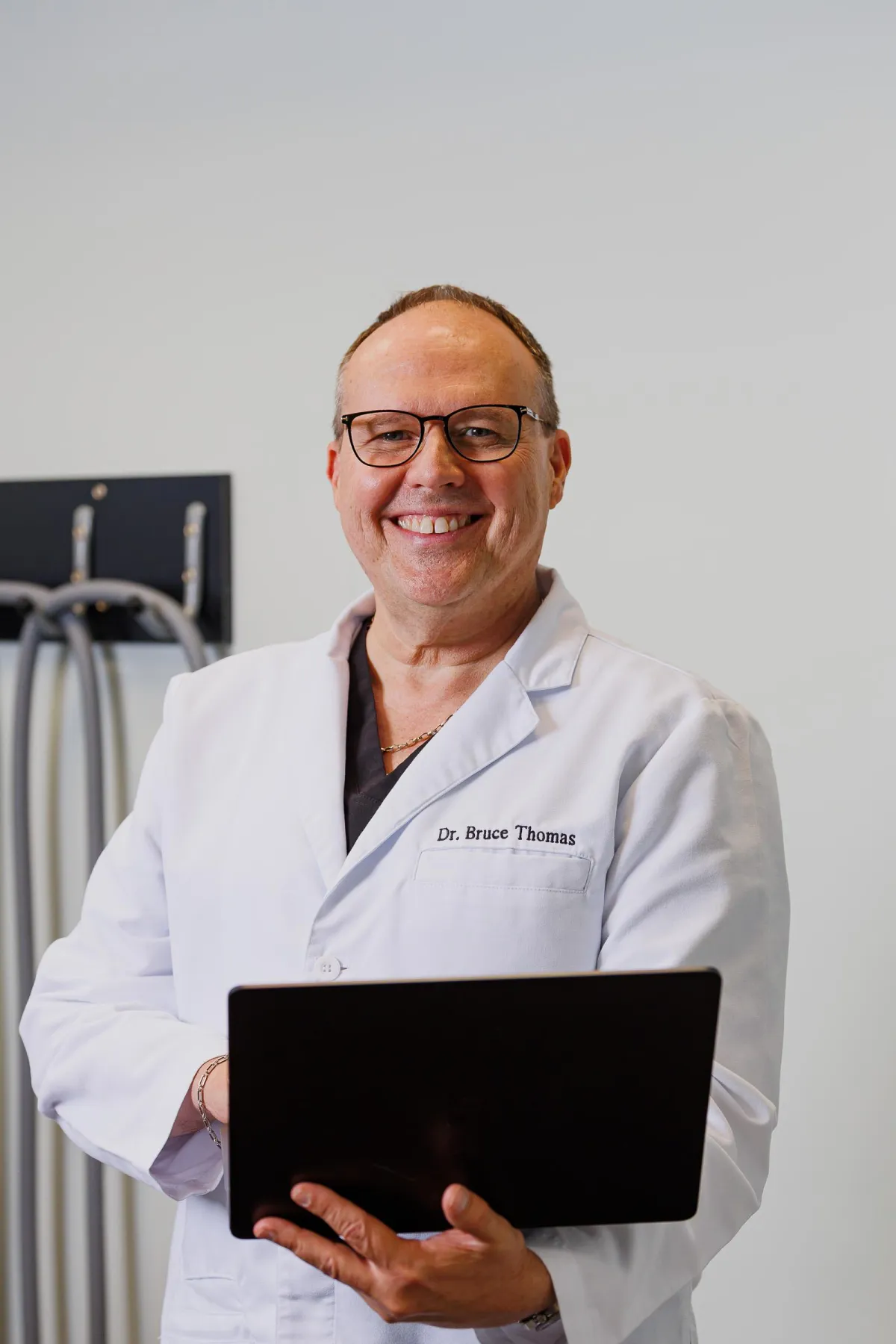
If you have an event on the calendar — or a few of them — and you want to figure out the right plan for your skin and your schedule, we'd love to help. At Physician Artistry in Sterling, VA, every treatment plan is built around your actual goals and your actual timeline. Dr. Thomas and the team take the time to understand what you're working toward before making any recommendations.
Reach out to schedule a consultation. We'll look at the calendar together, talk through your options honestly, and make sure that when your fall events arrive, your skin is exactly where you want it to be.
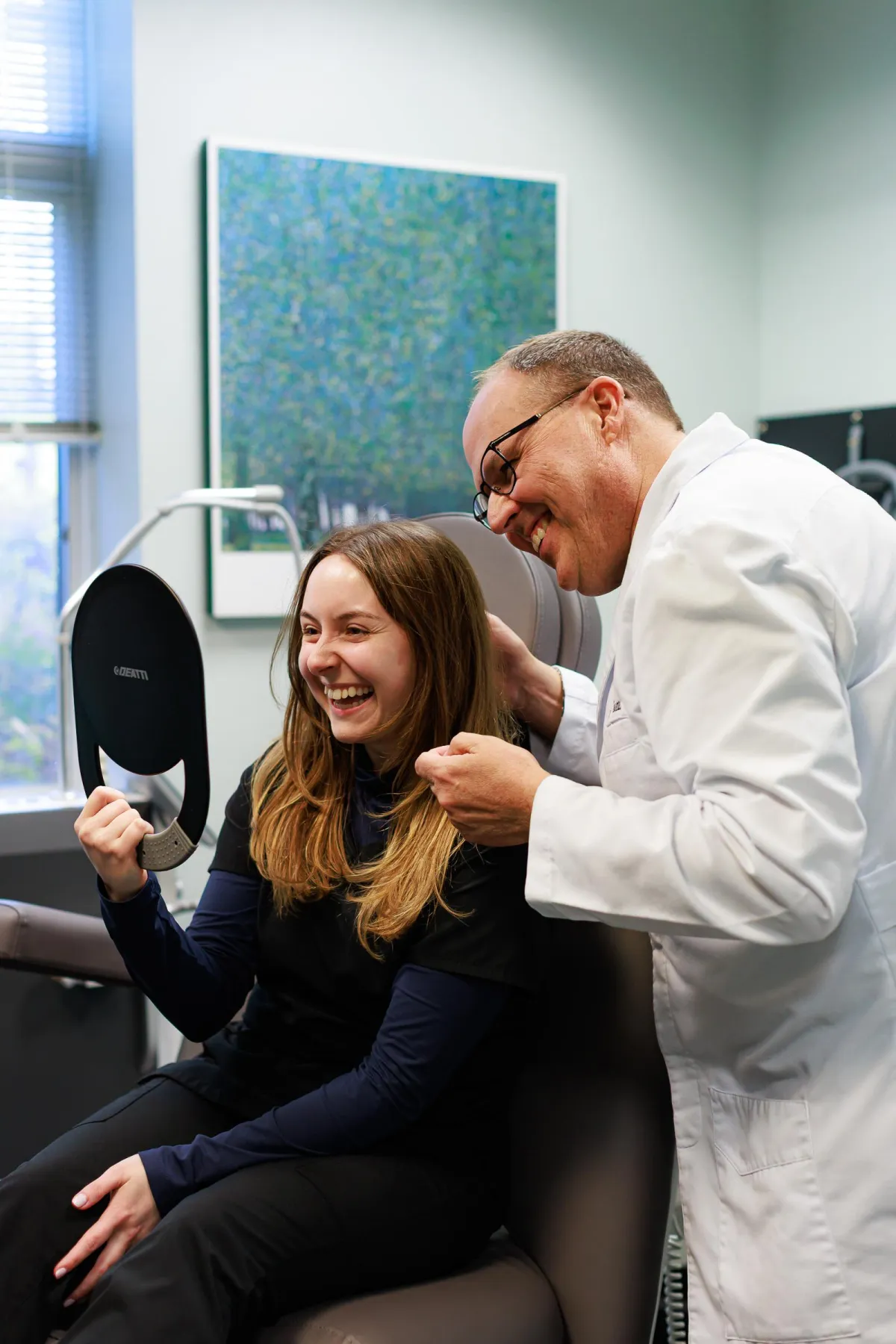
Start your transformation today!
Schedule your complimentary consultation with our friendly and knowledgeable team.