

Most people come in asking about one thing. A little Botox for the forehead. A HydraFacial to refresh their skin before a big event. A round of microneedling they've been curious about for months. And that's a completely reasonable place to start.
But here's something our patients discover pretty quickly once they're in: the treatments that feel like separate options often work better together. Not because more is always more — it isn't — but because certain combinations address different layers of the same concern, or work in sequence so each one sets the other up for better results.
Dr. Thomas has been helping patients build smart, layered treatment plans for over 30 years. What he'll tell you, and what his patients consistently confirm, is that the goal is never to pile on procedures. It's to understand what your skin actually needs and find the most efficient, effective path to get there. If you're curious about how to think through that process for your own goals, this guide to building a personalized treatment plan is a good starting point.
In the meantime, here are some of the treatment pairings that consistently surprise people — and consistently deliver.
Botox and HydraFacial: The Pairing Everyone Asks About
One of the most common questions we hear is some version of: can you get a HydraFacial after Botox? Or should you do the facial first? It feels like a logical question — both are popular, both address the face, and people often want to do both in the same visit or the same week. Here's the straightforward answer: yes, you can have a HydraFacial and Botox done together, but the sequencing matters. The general guidance is to do your Botox first, then your HydraFacial — or wait at least 24 to 48 hours after Botox before doing any facial treatment that involves significant massage or manipulation of the face. The reason is simple: Botox needs time to settle into the targeted muscle. Deep facial massage in the hours immediately following an injection could theoretically shift the product before it's fully set. If you're doing both in the same appointment, a good provider will complete the Botox first and use a gentler touch during the facial. If you're scheduling separately, a day or two of buffer is all you need. What makes this pairing so popular isn't just convenience — it's that the two treatments address completely different things. Botox relaxes the muscles responsible for dynamic wrinkles: the lines that form when you squint, frown, or smile. A HydraFacial works at the surface level, clearing out congestion, improving hydration, and giving your skin a luminosity that no injectable can replicate. Together, you're addressing movement-based aging and surface-level skin health at the same time. The result tends to look noticeably more refreshed than either treatment would on its own.Dermal Fillers and Secret RF Microneedling: Structure Meets Texture
This is one of the pairings that genuinely surprises people, because the two treatments feel like they're solving different problems. Dermal fillers restore volume — they address the hollowing under the eyes, the flattened cheeks, the nasolabial folds that have deepened as the face's underlying structure has shifted with age. Secret RF Microneedling works differently: it uses radiofrequency energy delivered through tiny needles to stimulate collagen production deep in the skin, improving texture, tightening laxity, and reducing the appearance of fine lines and scarring over time. So why pair them? Because volume loss and collagen loss often happen simultaneously, and addressing only one of them tends to leave results that look incomplete. A patient who restores volume with filler but still has significant skin laxity may notice that the face looks fuller but not quite tighter. A patient who does RF microneedling without addressing volume loss may find their skin texture improves beautifully but the overall appearance still reads as tired or hollow. The sequencing here is important too. The general approach is to complete your filler treatment first — ideally allowing two to four weeks before doing RF microneedling. This gives the filler time to fully integrate and avoids any disruption to recently placed product from the heat and micro-trauma involved in microneedling. When timed properly, these two treatments complement each other in a way that can genuinely reshape how a face looks — and feels to the person living in it. If you're specifically curious about what RF microneedling can do on its own, this breakdown of what to expect before booking is worth reading.Chemical Peels and IPL Photofacial: A One-Two Punch for Pigmentation
Brown spots, sun damage, uneven tone — these concerns show up in different forms and at different depths in the skin. A IPL Photofacial targets pigment and vascular irregularities using light energy, breaking up the melanin responsible for sunspots and redness at a deeper level. A chemical peel accelerates cell turnover, helping the skin shed the damaged surface layer and reveal fresher, more even-toned skin underneath. Used together — with appropriate spacing — they can address pigmentation concerns more thoroughly than either could alone. The IPL disrupts pigment at a structural level; the peel helps clear it. Patients dealing with post-summer sun damage or years of accumulated discoloration often find this combination delivers results they couldn't achieve with a single modality. The important caveat: these are not typically done in the same sitting, and the spacing between them depends on your skin type, the depth of the peel, and how your skin responds. This is exactly the kind of decision that benefits from a physician's oversight rather than a one-size-fits-all protocol. Dr. Thomas evaluates each patient's skin individually — which is why the outcomes tend to look natural rather than over-treated.Botox and Fillers Together: Still the Gold Standard Combination
If there's one pairing that's well-established in aesthetic medicine, it's Botox and fillers used together as part of a full-face approach. They genuinely do different things — Botox addresses the muscles, fillers address the volume — and understanding that distinction is the key to understanding why the combination works so well. Someone who's lost volume in the midface but also has active forehead lines and crow's feet will get a more complete, natural-looking result from addressing both. Neither treatment compensates for what the other does. Doing only fillers in a face that also has significant dynamic wrinkling can sometimes make the overall picture look off in a way that's hard to pin down. Doing only Botox in a face that's lost significant structural volume can smooth the movement but leave the person looking deflated rather than refreshed. Combining Botox and fillers for a full-face refresh is something Dr. Thomas approaches with a lot of intentionality — mapping each patient's face, understanding how their features have changed over time, and deciding where to address movement versus volume in a way that restores rather than reconstructs.HydraFacial and PRP: Hydration Plus Regeneration
This one flies a little more under the radar, but patients who've experienced it tend to become enthusiastic advocates. A HydraFacial deep-cleans the skin, removes congestion, and floods the surface with targeted serums. PRP therapy uses your own platelet-rich plasma — drawn from a small sample of your blood, then concentrated — to stimulate cellular repair and collagen production. When done in sequence, the HydraFacial's exfoliation creates a cleaner, more receptive surface for the PRP to penetrate. The regenerative growth factors in the PRP then get to work on skin that's already been prepped and cleared. The result is a combination that supports both immediate radiance and longer-term skin quality improvements. This pairing is particularly popular among patients who are looking for results that feel genuinely restorative — not just a surface refresh, but a deeper improvement in skin health over time. It's also a good option for patients who want to avoid injectables but still want meaningful, visible results from their treatment visits.GLP-1 Weight Loss and Body Contouring: When the Scale Moves But the Body Doesn't Follow Perfectly
This is a newer pairing but an increasingly relevant one. Medications like semaglutide and tirzepatide have helped a significant number of patients lose meaningful amounts of weight — sometimes 30, 40, 50+ pounds. That's a genuinely life-changing outcome. But fat loss, especially rapid fat loss, doesn't always leave the body looking exactly the way patients hoped. Stubborn pockets that didn't respond to the medication, or areas where skin laxity has become more visible after the volume loss, are real and common concerns. CoolSculpting Elite can help address specific pockets of remaining fat that medication hasn't fully resolved. RF microneedling can help improve skin laxity on areas of the body that have loosened as weight has changed. And on the face, filler may actually be helpful for patients who've experienced the characteristic facial hollowing that can accompany significant GLP-1-related weight loss. The key here is treating the whole picture — not just the number on the scale, but how a person looks and feels in their body after reaching a new weight. That's a conversation worth having with a physician who understands both the metabolic side and the aesthetic side of what's happening. It's one of the things that makes a physician-led practice genuinely different from a spa that offers weight loss as an add-on.Functional Medicine and Aesthetic Treatments: The Layer Most People Miss
This is the pairing that most med spas aren't equipped to offer — and it may be the most meaningful one on this list. Skin is an external reflection of internal health. Hormonal shifts in your 40s and 50s affect collagen production, skin hydration, and the pace of visible aging. Nutritional deficiencies show up in skin texture and tone. Chronic inflammation affects how well skin heals and responds to treatment. Addressing these underlying factors while also doing surface-level aesthetic treatments creates a compounding effect that's genuinely difficult to achieve otherwise. Physician Artistry is one of the few practices in the area that brings together functional medicine in Sterling, VA with a full range of aesthetic treatments — which means patients can address hormone balance, thyroid function, metabolic health, and skin concerns under one roof, with a physician overseeing the whole picture. Treatments like bioidentical hormone replacement therapy and NAD+ therapy support the body's cellular environment in ways that make aesthetic treatments more effective and longer-lasting. If you've ever felt like your skin treatments were working hard but fighting against something you couldn't identify — this might be the layer worth exploring.How to Know Which Combinations Are Right for You
The honest answer is that it depends on what your skin and your body actually need — and figuring that out is exactly what a consultation with Dr. Thomas is designed to do. Not every pairing makes sense for every person, and the timing and sequencing of combination treatments matters as much as the treatments themselves. What you can count on is that nobody at Physician Artistry is going to recommend a combination because it's popular or because it sounds impressive. The recommendations come from a genuine clinical assessment of where you are and where you want to be — and from 30 years of experience knowing what actually works. If you're in Sterling, Northern Virginia, or the broader DC metro area and you're ready to think about your skin — or your health — more strategically, we'd love to have that conversation with you.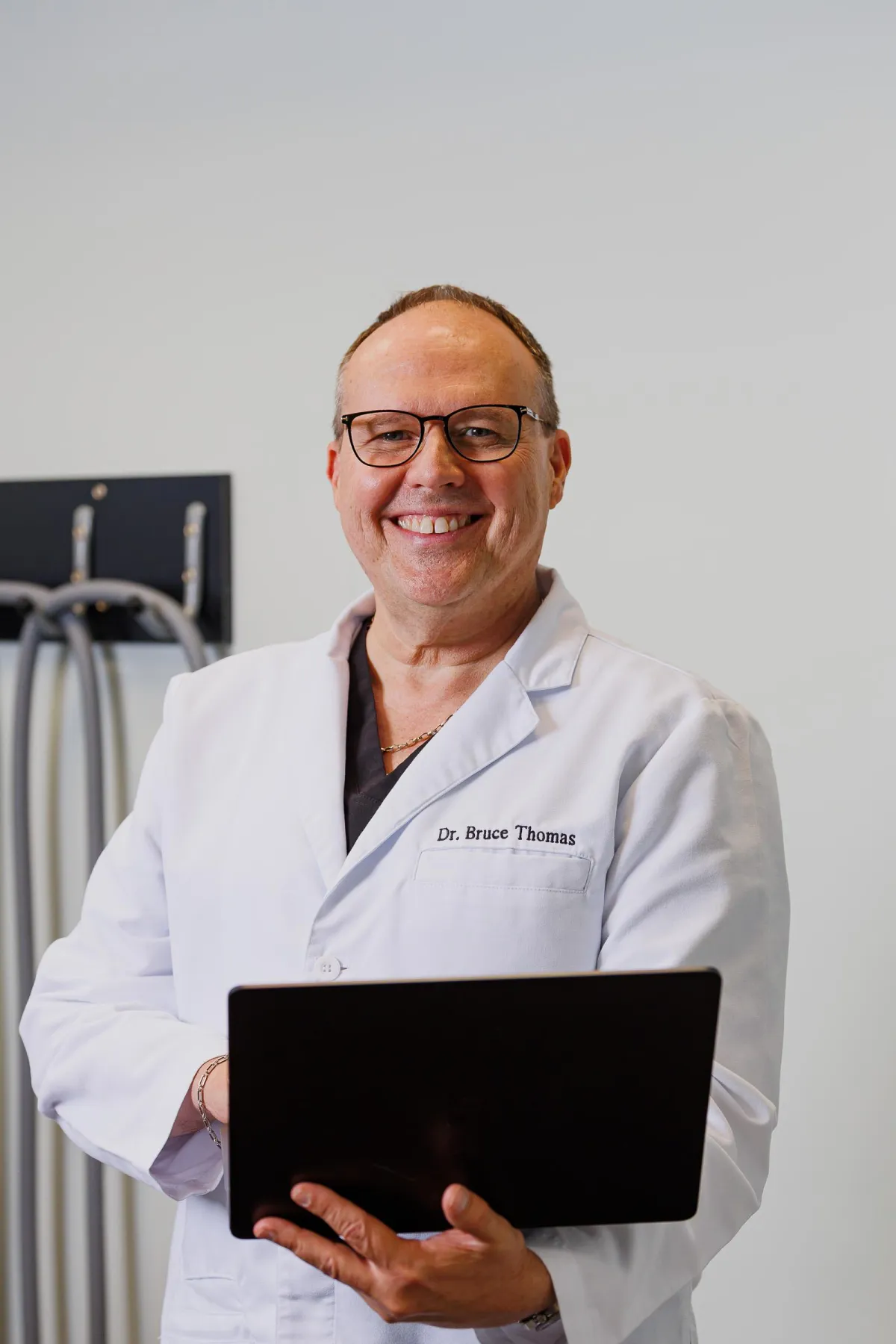
Start your transformation today!
Schedule your complimentary consultation with our friendly and knowledgeable team.