
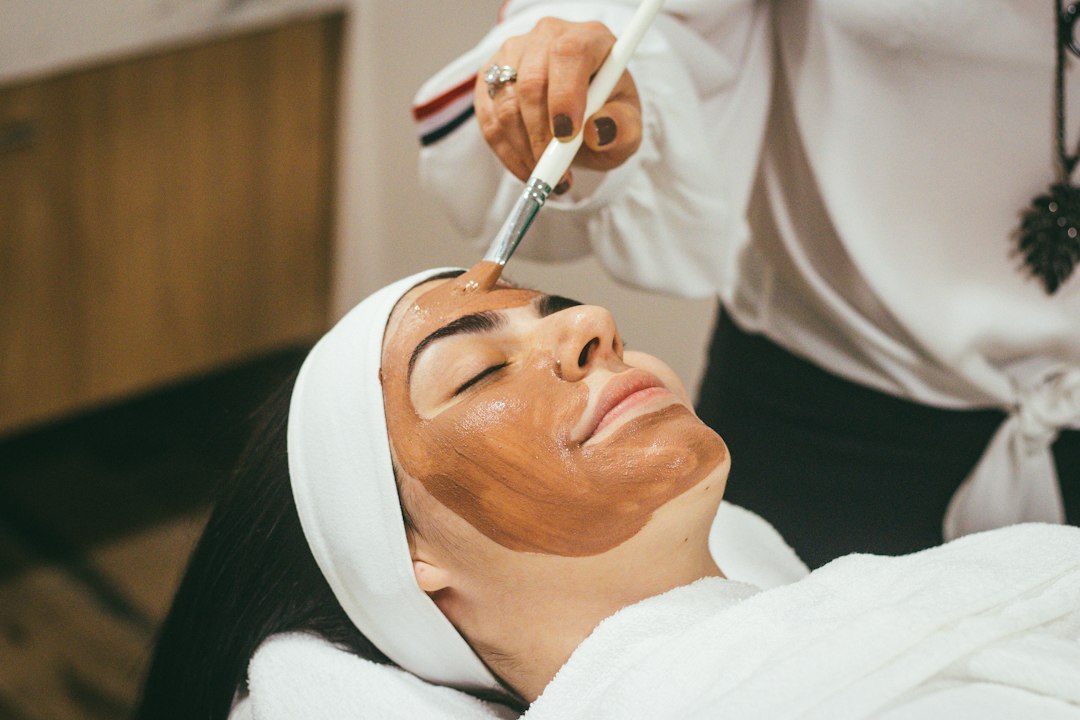
If you've ever left an appointment with beautifully placed Juvederm and then spent the next week wondering why your face still looks puffy, you're not alone. Swelling is one of the most common questions we hear from patients, and it's also one of the most misunderstood parts of the healing process. The good news is that there's a simple, low-effort technique that can shorten your recovery window considerably: lymphatic drainage massage.
We get asked about this almost daily here in Sterling, and we want to walk you through exactly why it works, how to do it safely, and how much is actually enough — because more is not always better when it comes to your healing tissue.
**Why Swelling Happens After Filler in the First Place**
When a needle passes through skin, your body responds the way it's designed to: it sends fluid, white blood cells, and proteins to the area to protect and repair it. This is a completely normal and healthy inflammatory response, not a sign that something went wrong. Hyaluronic acid fillers like Juvederm also attract water molecules, which is part of why they create such natural-looking volume — but it also means a little extra puffiness is part of the deal in the first 24 to 72 hours.
For most patients, this swelling resolves on its own within a week. But if you have an event, a photo, or simply want to feel like yourself sooner, there are ways to support your body's natural drainage system rather than just waiting it out. If you're noticing swelling in your lymph nodes specifically rather than the injection site itself, it's worth reading our guide on swollen lymph nodes after filler to understand the difference.
**How to Reduce Swelling After Fillers Using Your Lymphatic System**
Your lymphatic system is essentially your body's drainage network. It doesn't have a pump like your circulatory system does, which is why fluid can sit and pool in tissue after an injection. Lymphatic drainage massage uses very light, rhythmic pressure to encourage that trapped fluid to move toward your lymph nodes, where it can be filtered and cleared naturally.
This is not deep tissue work, and it should never feel aggressive or painful. In fact, if you're pressing hard enough to feel discomfort, you're pressing too hard and risk disturbing filler placement before it has settled. The technique relies on gentle, sweeping strokes — think of it more like brushing than kneading.
Here's a simple approach we walk patients through after their appointment:
- Wait at least 24 to 48 hours after treatment before starting any massage, unless your provider instructs otherwise for a specific area.
- Use clean fingertips with very light pressure — roughly the weight you'd use to test if a peach is ripe.
- Move in gentle strokes away from the treated area and toward the nearest lymph nodes (typically toward the ears, jawline, or neck, depending on injection site).
- Always move in one direction rather than scrubbing back and forth.
- Follow up with a cool (not icy) compress if the area feels warm or tender.
**How Much Lymphatic Drainage Massage Is Actually Necessary**
This is where we see the most confusion, and understandably so. Patients often assume that if a little massage helps, a lot must help faster. In reality, moderation matters here.
For most patients recovering from Juvederm, two to three short sessions per day of about three to five minutes each is plenty. This is typically recommended for the first three to five days following treatment, tapering off once visible swelling has resolved. Sessions longer than five minutes, or massage that's repeated more than three times a day, doesn't speed things up further — it simply increases the risk of irritating tissue that's still settling into place.
If you're working with a licensed aesthetician or lymphatic drainage specialist for professional sessions rather than doing this at home, one or two visits in the days following your appointment is generally sufficient for filler-related swelling. This is a very different protocol than the multi-week lymphatic drainage plans sometimes recommended after surgical procedures, so it's worth clarifying with your provider exactly what your treatment calls for.
**When Swelling Means Something More Than Normal Healing**
We always want our Sterling patients to feel confident distinguishing between expected healing and something that needs a second look. Swelling that continues to worsen after 72 hours, is accompanied by significant asymmetry, or feels increasingly firm rather than softening over time is worth a call to our office. This is uncommon, but part of the comprehensive and thoughtful approach we take with every patient is making sure you never feel like you're guessing alone during recovery.
It's also worth noting that certain medications and skincare habits can extend swelling unnecessarily. If you're on blood thinners, took ibuprofen close to your appointment, or are still using retinoids on the treated area, these can all play a role. We cover this in more detail in our guide on what to stop before your appointment, and it's genuinely one of the most overlooked factors in a smoother recovery.
**What Normal Healing Actually Looks Like Day by Day**
Understanding the healing timeline can take a lot of the anxiety out of those first few days. Swelling typically peaks within the first 24 to 48 hours, especially in areas with thinner skin like the lips, and gradually improves from there. For a full breakdown of what to expect at each stage, our patients have found it helpful to reference our piece on the lip filler healing process day by day, which walks through exactly what's normal at each milestone.
**Why This Matters for Your Overall Results**
Beyond simple comfort, supporting your lymphatic system after filler can actually help your results settle more evenly. Fluid retention that lingers too long can sometimes create the appearance of asymmetry that isn't related to the filler placement at all — it's just trapped fluid masking your true result. Patients who use gentle lymphatic techniques often report feeling like they can see their "real" outcome sooner, which matters a lot if you have an event on the calendar or simply don't love walking around feeling puffy for a week.
This is also why we spend real time during your consultation talking through your recovery plan, not just your treatment plan. Results enhanced without ever looking overdone starts with the injection technique, but it's finished by how well your body is supported afterward.
**A Note on Combining Recovery Techniques**
Lymphatic drainage isn't the only tool available to you. Staying well hydrated, sleeping with your head slightly elevated for the first couple of nights, and avoiding intense exercise or excessive heat (saunas, hot yoga, extended sun exposure) for 48 hours all work together with gentle massage to help you heal comfortably. None of these require dramatic lifestyle changes — just a little intention during the days right after your appointment.
If you're curious how filler recovery compares to other treatments we offer, our patients often ask similar questions about biostimulators. You can find that comparison in our article on repeat filler patients switching to biostimulators.
**Come Talk to Us Before Your Next Appointment**
Every patient's skin, healing pattern, and treatment plan is a little different, which is exactly why Dr. Thomas personally oversees the plan for every person who walks through our doors. If you're considering Juvederm in Sterling and want a provider who will walk you through recovery just as carefully as the injection itself, we'd love to talk with you. You deserve to feel informed and supported at every step — not just during your appointment, but in the days that follow it too.
Start your transformation today!
Schedule your complimentary consultation with our friendly and knowledgeable team.