You finished your microneedling sessions, watched your skin transform over the following weeks, and felt genuinely good about your results. Then, a few months later, you caught yourself wondering whether it was fading. The texture wasn't quite as smooth. The tone looked a little more uneven. And now you're questioning whether it was worth it — or whether something went wrong.
Nothing went wrong. But there are real, clinical reasons why microneedling results can feel shorter-lived than expected. Understanding them doesn't just answer your question — it helps you get dramatically better outcomes the next time.
What Microneedling Actually Does (And Why That Matters for Longevity)
Microneedling works by creating controlled micro-injuries in the skin, triggering your body's natural wound-healing response. That response produces new collagen, new elastin, and improved cellular turnover — all of which translate to smoother texture, tighter skin, and a more even tone.
The key word there is "natural." Your body produces the improvement. The treatment just gives it the right signal. And because the results are biological rather than mechanical, how long they last depends almost entirely on how well your body can respond — and whether anything is working against that response in the background.
That's where the "why did it fade?" conversation really begins.
How Long Should Microneedling Results Last?
For most patients, the visible results from a single microneedling session begin to appear around two to four weeks post-treatment, as collagen production ramps up. Peak results are often seen around the three-month mark. From there, how long those results hold depends on several factors — but for a well-executed series at the right depth and frequency, meaningful improvement can persist for six months to a year.
That said, "how long does microneedling last" is a question that only makes sense in context. A single session and a series of six sessions with the right post-care protocol are entirely different conversations. So is traditional microneedling versus radiofrequency microneedling — but we'll come back to that.
Why Results Fade Faster Than They Should: The Real Reasons
1. You Only Did One or Two Sessions
A single microneedling session will produce noticeable results for many patients — but the collagen remodeling it triggers is limited. Your skin's healing response has a ceiling in any given treatment window. One session moves the needle. A series of sessions stacks the response, each one building on the collagen foundation the last one laid.
The difference between one session and six microneedling sessions before and after comparisons is significant — not just in how dramatic the results look at peak, but in how long they hold. When you've rebuilt a more substantial collagen foundation, there's simply more to lose before the change becomes visible.
If results faded faster than you expected, the most likely culprit isn't that microneedling "didn't work" — it's that you didn't complete enough sessions to build a durable foundation.
2. The Treatment Wasn't Deep Enough for Your Skin's Needs
Microneedling devices vary significantly in the depth they can reach. Standard at-home rollers and even some clinical devices are limited in how far they penetrate. The dermis — where collagen lives — requires adequate needle depth to trigger a meaningful healing response. Surface-level treatment produces surface-level results that fade quickly because the deeper structural layer was never meaningfully addressed.
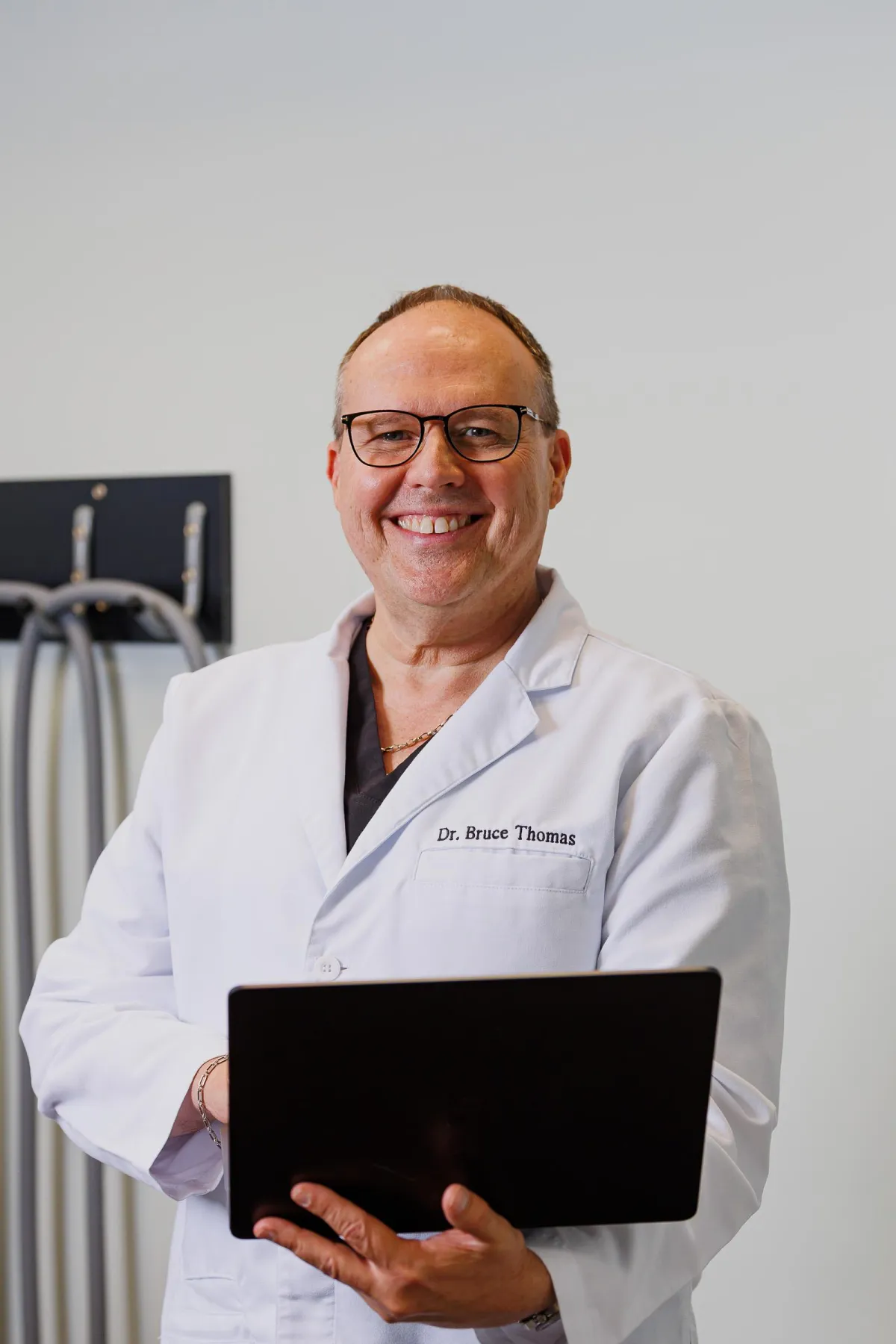
This is one reason that treatment setting, device quality, and provider expertise matter enormously. At Physician Artistry, every treatment plan is personally overseen by Dr. Thomas, who brings over 30 years of clinical experience to decisions like needle depth, pass number, and treatment frequency — the variables that separate lasting results from temporary ones.
3. Your Collagen Production Was Already Compromised
Microneedling depends on your body's ability to respond. If collagen production is already impaired — by age, hormonal changes, chronic stress, poor sleep, nutritional deficiencies, or smoking — the healing response will be weaker, and results will fade faster.
This is especially relevant for patients in their 40s and 50s, when estrogen and collagen production decline together. If hormonal factors are at play, addressing them alongside your aesthetic treatments can meaningfully change what your skin is capable of. It's one reason that a comprehensive, physician-led approach to skin health produces outcomes that a standalone treatment series often can't match on its own.
If you've noticed your skin changing more rapidly in recent years, our post on collagen loss after 40 and how to rebuild it is worth reading before your next appointment.
4. Post-Treatment Care Was Inconsistent
The 72 hours after microneedling are a critical window. Your skin is in an active healing state, and what you put on it — or expose it to — directly affects the quality and durability of the collagen response. Sun exposure, harsh actives like retinol or acids applied too soon, skipping SPF, and dehydration can all blunt the healing response and shorten how long results hold.
Longer term, consistent SPF use, proper hydration, and a supportive skincare routine are the difference between results that last six months and results that last a year. This isn't about upselling a product — it's basic skin biology. The collagen your body just built can be degraded by UV exposure faster than it was produced.
5. You Were Expecting Maintenance Results Without Maintenance Treatments
Microneedling isn't a one-and-done fix. The skin is a living organ that continues to age, lose collagen, and respond to environmental stressors regardless of what treatments you've done. Patients who see the most enduring improvement are those who treat microneedling as a regular part of their skin health routine — typically returning every three to six months for a maintenance session after completing their initial series.
Thinking about it the way you think about a gym routine is genuinely helpful here. The results from six months of consistent effort don't last forever if you stop entirely — but they don't disappear overnight either. The baseline you built is higher than where you started. A maintenance session every few months keeps you well above that starting point.
How Long Does Microneedling Take — And How Should You Think About the Timeline?
One of the most common sources of confusion is timing expectations. Patients sometimes finish a session, look in the mirror two weeks later, feel underwhelmed, and conclude it didn't work. In reality, the most significant collagen remodeling happens over the four to twelve weeks following treatment — not immediately after.
Here's a realistic timeline for a properly executed microneedling series:
- Days 1–3: Redness, mild swelling, skin sensitivity — this is normal and expected
- Week 1–2: Skin begins to settle; some patients notice early texture improvement
- Weeks 3–6: Collagen production accelerates; texture and tone visibly improve
- Months 2–3: Peak results from the session become visible
- Months 3–6+: Results from a full series hold well with proper maintenance
If you had a single session and evaluated results at the two-week mark, you were measuring before the results had fully arrived. That's a timing issue, not a treatment failure.
Thinking about timing an upcoming event? Our guide on microneedling before fall events walks through exactly how to plan your sessions for peak results at the right moment.
What About 6 Microneedling Sessions Before and After?
The most compelling microneedling transformations — the kind of before and after results that make people genuinely reconsider what's possible without surgery — typically come from completing a full series, not a single session.
Six sessions, spaced appropriately (usually three to four weeks apart), allow cumulative collagen remodeling to compound over time. Each session triggers a new healing response on top of the collagen foundation the previous sessions built. The result is measurably different skin — not just in appearance at a single point in time, but in density, texture, and structural integrity.
Patients who complete a full series and then see those before and after comparisons often describe feeling like their skin has been genuinely rebuilt from the inside. That's not marketing language — it's what progressive collagen remodeling actually produces when it's done consistently and correctly.
When Regular Microneedling Isn't Enough
For some patients — particularly those dealing with significant laxity, deeper scarring, or skin that hasn't responded as well as hoped to traditional microneedling — the answer isn't more sessions of the same thing. It's a more advanced approach.
Secret RF Microneedling combines the micro-injury stimulus of traditional microneedling with radiofrequency energy delivered directly into the dermis. The RF energy generates heat at precisely targeted depths, which triggers a more powerful collagen and elastin response than mechanical needling alone. Results are more dramatic, last longer, and address skin laxity in a way that standard microneedling can't replicate.
For patients who've tried microneedling and felt the results were shorter-lived or less significant than expected, Secret RF is often the natural next step. You can read more about how it compares in our breakdown of RF microneedling versus regular microneedling.
If you're also exploring complementary treatments, combining PRP with microneedling is another path worth understanding — the growth factors in platelet-rich plasma can amplify the collagen response and extend how long results hold.
The Honest Answer to "How Long Does Microneedling Last?"
The honest answer is: it depends on what you did, how it was done, and what you've done since. A single session with minimal follow-through will produce results that fade within a few months. A properly executed series with appropriate post-care and maintenance can produce results that hold for a year or more — and with consistent maintenance sessions, the improvement becomes cumulative over time.
What you should never take away from fading results is that microneedling doesn't work for you. What you should take away is that the variables matter — and that getting those variables right is the difference between disappointing outcomes and the kind of transformation that patients in our practice describe as genuinely life-changing.
Ready to Get This Right?
If your previous microneedling results faded faster than expected, a conversation with Dr. Thomas will tell you exactly why — and what a treatment plan built around your specific skin biology looks like. That means the right treatment, at the right depth, with the right follow-up protocol, and the kind of personal attention that actually makes it last.
Physician Artistry serves patients throughout Sterling, VA, Northern Virginia, and the broader DC metro area. When you're ready to talk about what your skin actually needs, we're here — and we'll treat you like a person, not a patient number.