
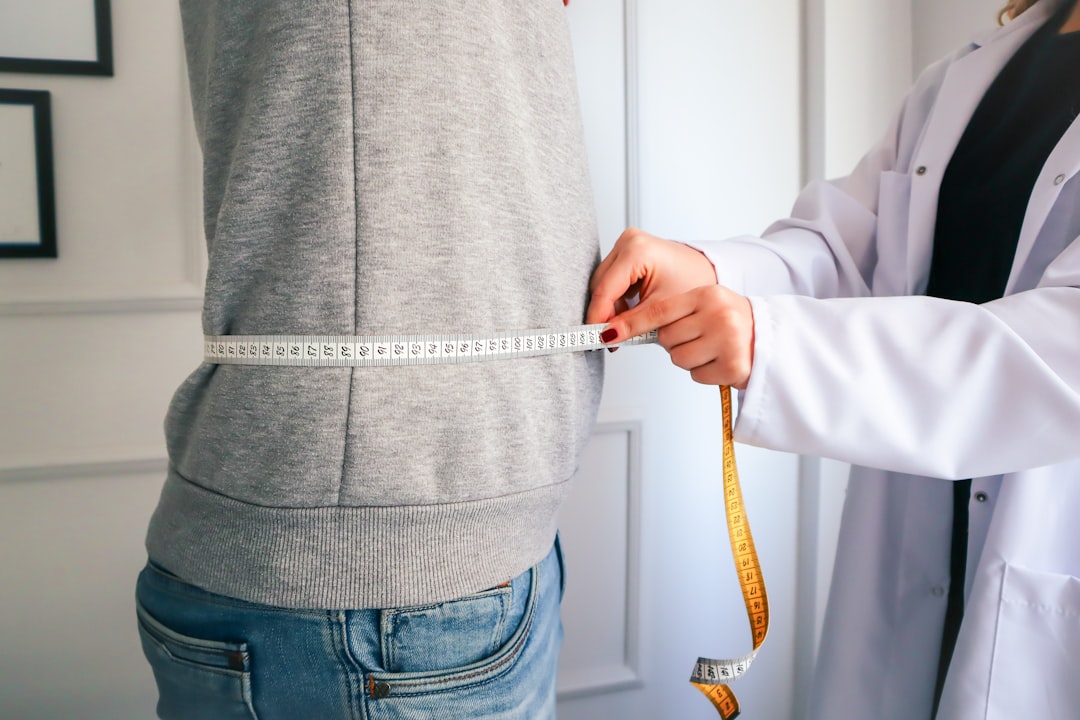
If you're one of our patients using semaglutide or tirzepatide, you've probably noticed something we talk about often at Physician Artistry: the number on the scale keeps dropping, but the "win" doesn't always feel as good as you expected. Clothes fit differently in ways that aren't just flattering. Strength in the gym has quietly slipped. If you're over 50, you're not imagining it — and you're not alone in noticing it.
Let's walk through why this happens, because understanding it is the first step to protecting yourself against it.
How Does GLP-1 Work in the Body?
GLP-1 (glucagon-like peptide-1) is a hormone your gut naturally produces after eating. Medications like semaglutide and tirzepatide mimic this hormone, and once introduced into your body, they do three main things: slow down how quickly your stomach empties, signal to your brain that you're full, and improve how your body manages insulin and blood sugar.
The result is that you eat less — often dramatically less — without the constant hunger battle that made previous weight loss attempts so exhausting. It's a genuinely remarkable tool, and we've watched patients transform their health because of it. But here's the piece that rarely gets explained clearly: your body doesn't know the difference between fat and muscle when it's short on incoming calories. It pulls energy from wherever it can get it, and muscle tissue is often first in line.
The GLP-1 and Muscle Loss Connection
Research on GLP-1 medications has consistently shown that a meaningful percentage of total weight lost — sometimes as much as 25 to 40 percent — comes from lean muscle mass rather than fat. We've written before about how semaglutide patients in Sterling are losing muscle right alongside the fat they're targeting, and it's one of the most important conversations we have with new patients starting a GLP-1 protocol.
This isn't a flaw in the medication. It's simply what happens when caloric intake drops sharply without a deliberate strategy to preserve muscle — adequate protein intake, resistance training, and in many cases, hormone support to help your body hold onto what it's built over decades.
Why Turning 50 Changes the Equation
Here's what makes this especially important for our patients in their 50s, 60s, and beyond: you're already losing muscle mass naturally, even without a GLP-1 medication in the picture. This process, called sarcopenia, typically accelerates after age 50 and is closely tied to declining testosterone and estrogen levels. We see this connection constantly with our Northern Virginia patients over 50 who come to us wondering why their strength has changed even though their routine hasn't.
When you layer a GLP-1 medication's calorie restriction on top of hormone-driven muscle decline that's already underway, the two effects compound each other. Your body has less muscle to begin with, less hormonal support to maintain it, and now less fuel coming in to protect it. That's why patients over 50 often notice muscle loss and strength changes far more quickly and visibly than younger patients on the same medication.
Muscle loss doesn't just affect how you look in the mirror — it affects your metabolism, your balance, your bone density, and your long-term independence. We've also seen this show up alongside bone density loss in GLP-1 patients, which is another reason this deserves real attention rather than being treated as an unavoidable side effect.
Protecting Muscle While You Lose Weight
The good news: this is preventable, and it doesn't mean giving up the progress you've worked hard for. What it means is treating muscle preservation as part of your weight loss plan from day one, not an afterthought once you notice something has changed.
For our patients over 50, that often includes a combination of strategies — prioritizing protein intake at every meal, incorporating resistance training even if you've never lifted weights before, and addressing the hormonal side of the equation directly. Many of our patients pair their GLP-1 protocol with bioidentical hormone replacement therapy or testosterone therapy to give their body the support it needs to hold onto lean mass while the medication does its work on fat.
This is exactly why Dr. Thomas personally oversees every GLP-1 treatment plan rather than handing patients a prescription and a checklist. Your body at 55 doesn't respond the same way it would have at 30, and your plan shouldn't either. We look at your full picture — hormone levels, muscle mass, nutrition, and your goals — and build a strategy that gets you the results you started this journey for, without trading one health concern for another.
If you're currently on semaglutide or tirzepatide and want a clearer picture of what's happening in your body, we'd love to sit down with you. You deserve to feel strong at every stage of this process, not just lighter.
Start your transformation today!
Schedule your complimentary consultation with our friendly and knowledgeable team.