

Spring is here, and with longer days, more sunlight, and more social events on the calendar, many people in Sterling and across Northern Virginia are taking a closer look at how they feel about their appearance. If you have noticed deep horizontal lines across your forehead or the vertical creases between your eyebrows that appear even when your face is at rest, you are not imagining things. These are among the most common concerns we hear at Physician Artistry Medical Spa, and they are also among the most treatable.
Botox has been used safely and effectively for decades to address exactly these areas. But not all Botox treatments are the same. Placement, dosage, and technique all matter enormously. This post will walk you through what causes forehead and frown lines, what Botox can actually do about them, and what to look for in a provider.
What Causes Forehead Lines and Frown Lines?
Both types of lines come from the same basic source: repeated muscle movement over time. The more you raise your eyebrows, squint, or concentrate, the more those underlying muscles contract and eventually etch lines into the skin above them.
- Forehead lines are horizontal creases that form when the frontalis muscle lifts the brows. They tend to deepen in your 30s and 40s and can look particularly pronounced in bright spring and summer light.
- Frown lines (also called "elevens" or glabellar lines) are the vertical lines between the brows caused by the corrugator and procerus muscles. Many patients say these lines make them look angry, tired, or stressed, even when they are not.
- Sun exposure accelerates both. If you spend time outdoors in Loudoun County, Ashburn, or Herndon, UV damage breaks down collagen faster and makes lines more visible sooner.
- Genetics and skin type also play a role. Thinner or fairer skin tends to show lines earlier than denser skin types.
Understanding the cause matters because it helps you understand why Botox works, and why it needs to be placed precisely to work well.
How Botox Treats Forehead and Frown Lines
Botox is a purified neurotoxin that temporarily relaxes the muscles responsible for creating these lines. When injected into the correct muscle at the correct depth and dose, it reduces the repetitive contractions that deepen wrinkles over time.
- Forehead treatment typically involves several small injections along the frontalis muscle. The goal is softening, not freezing. An experienced injector will use enough product to smooth lines while still allowing natural expression.
- Frown line treatment targets the corrugator and procerus muscles between the brows. This area is one of the most FDA-approved and well-studied applications for Botox and many patients see noticeable improvement within five to seven days.
- Results typically last three to four months for most patients, though individual results vary. With consistent treatment, some patients find their lines gradually become less deep over time because the muscles are used less frequently.
- The treatment itself is quick, usually fifteen to twenty minutes with minimal discomfort and no downtime required.
If you want to go deeper on how long results last and what affects them, our blog post on how long Botox really lasts covers that in detail.
What to Watch Out For With Forehead Botox Specifically
Forehead Botox is one of the areas where technique matters most. The frontalis muscle is also responsible for lifting the brow, so if too much product is placed too low, it can cause brow heaviness or a drooped appearance. This is why provider experience is not a minor detail. It is the whole thing.
- Over-treating the forehead without adequately addressing the muscles that pull the brow down can leave patients with a heavy or flat look.
- Underdosing the glabella (frown lines) while overdosing the forehead is a common imbalance that less experienced injectors make.
- The right injector assesses your full facial anatomy, brow position, and muscle activity before deciding on placement and units, not just the lines you point to in the mirror.
For patients who are newer to Botox, our post on what to expect at your first Botox appointment is a helpful starting point. And if you are wondering whether starting earlier could help prevent deeper lines from forming, our post on preventative Botox addresses that question directly.
How Physician Artistry Approaches Forehead and Frown Line Treatment
At Physician Artistry Medical Spa in Sterling, Botox injections are performed by providers with advanced training and real clinical experience. Tamar, our Registered Nurse Injector, holds a BSN from George Mason University and completed advanced injector training at the Allergan Medical Institute. She is known for natural-looking results and the kind of careful, detail-oriented approach that makes patients feel confident coming back.
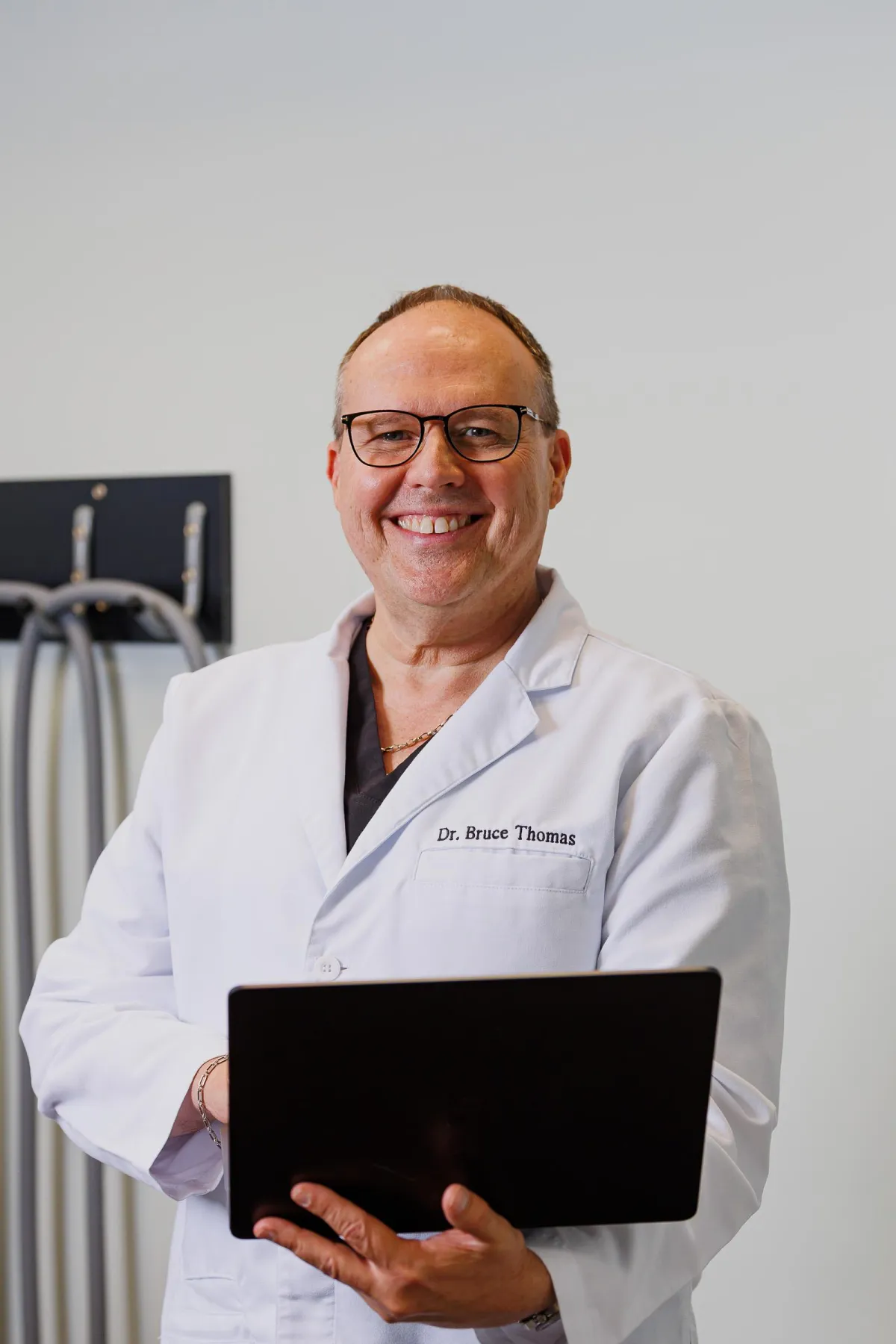
Dr. Bruce Thomas, MD, our medical director, also performs Botox and oversees all treatments at the practice. Having a physician-led team means your treatment plan is grounded in anatomy and clinical judgment, not just aesthetics trends.
We serve patients throughout Sterling, Ashburn, Herndon, Reston, Leesburg, and greater Loudoun County. If you are also dealing with volume loss or deeper lines that Botox alone may not address, we may recommend pairing treatment with dermal fillers or exploring options like SkinVive by Juvederm for skin quality improvement. Every consultation starts with a real conversation about your goals, not a menu of add-ons.
If forehead lines or frown lines have been on your mind, spring is a good time to address them before summer events fill your calendar. Contact Physician Artistry Medical Spa at (703) 433-1700 or visit physicianartistry.com to schedule a consultation. We are located at 46165 Westlake Drive, Suite 100, Sterling, VA 20165.
Start your transformation today!
Schedule your complimentary consultation with our friendly and knowledgeable team.