

You didn't imagine it. The pill that used to work reliably now feels unpredictable, weak, or like it's stopped doing anything at all. For a lot of men, this is the moment they start quietly Googling at midnight — sometimes landing on forums, sometimes on reviews for every clinic from a local urologist to the Northern Virginia Mental Health Institute, trying to figure out if this is a hormone problem, a stress problem, a blood flow problem, or something else entirely.
Here's the honest answer: it's usually a blood flow problem, and medication was never designed to fix that long-term.
**Why Viagra and Cialis Stop Working the Way They Used To**
PDE5 inhibitors like Viagra, Cialis, and Levitra don't create an erection — they temporarily enhance blood flow to tissue that's already functioning. If the underlying vascular tissue has become less responsive over time (which happens gradually with age, cardiovascular changes, and even the natural stiffening of blood vessels), the medication has less to work with. You can increase the dose, but eventually you hit a ceiling where the pill is pushing against a problem it was never built to solve.
This is a pattern we've written about before — erectile changes are showing up in men earlier than most expect, and it's rarely about willpower or stress alone. You can read more in our piece on why ED under 50 is rising.
**What's Actually Happening in the Tissue**
Erectile function depends on healthy blood vessels and nerve tissue in the penile region. Over time, factors like reduced nitric oxide production, micro-plaque buildup in small vessels, and declining tissue elasticity can all quietly erode function — long before a man notices a dramatic change. Medication masks this by forcing more blood through compromised vessels. It doesn't repair the vessels themselves.
This is also frequently tangled up with testosterone decline, which affects libido, tissue sensitivity, and overall sexual confidence. If you've noticed low drive alongside weaker erections, it's worth reading our guide on low testosterone in men over 40 or why men over 50 are finally addressing this — because treating one without the other often leaves men frustrated.
**Where GainsWave Fits In**
GainsWave uses low-intensity shockwave therapy to stimulate new blood vessel growth and improve circulation in existing tissue. Unlike medication, which works around the problem for a few hours, GainsWave is designed to improve the underlying vascular health that erections actually depend on. Sessions are quick, non-invasive, and most men describe them as mildly uncomfortable at worst — nothing close to painful.
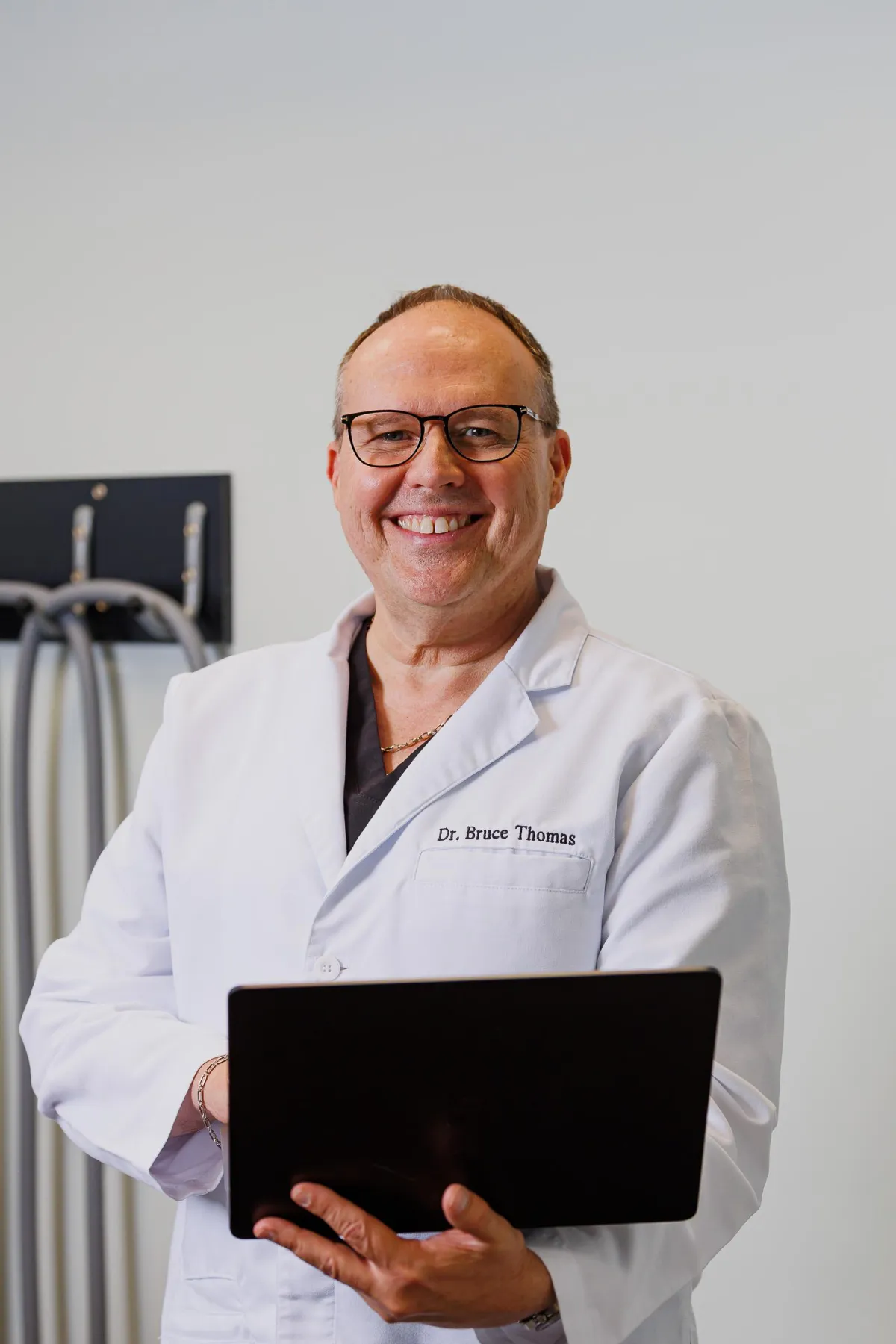
Dr. Thomas personally oversees every GainsWave treatment plan at Physician Artistry, because the right protocol depends on your specific history, not a one-size-fits-all package. Some men do well with GainsWave alone. Others see better results combining it with the P-Shot, which uses your own platelet-rich plasma to further support tissue regeneration. If you're trying to decide between the two, this comparison breaks down the difference, and real patient experiences are detailed in GainsWave for ED: Real Results Sterling VA Men Are Reporting.
**What GainsWave Actually Costs**
This is usually the first practical question, and it's a fair one. GainsWave is typically offered in treatment packages rather than single sessions, since consistent stimulation over several weeks is what produces lasting vascular improvement — not a single visit. Pricing varies based on how many sessions your specific case calls for, which is why Dr. Thomas evaluates you first rather than quoting a number before understanding what's actually going on. Most men find it's a fraction of what they'd expect to spend managing the problem with medication indefinitely, year after year, with results that medication alone was never designed to provide. You can see full details on the GainsWave for Him service page.
**You're Not the Only One Dealing With This**
Part of why men avoid this conversation is the assumption that it's rare or embarrassing. It isn't. We've treated men across Sterling, Loudoun County, and the broader DC metro area who assumed this was just "getting older" until they realized it was treatable — not inevitable. One of our patients put it simply: "I feel like myself again — energized, healthy, and confident." That's the goal, not a quick fix, but a real return to function.
**Searching for "ED Treatment Near Me"?**
If you're a man in Sterling, Loudoun County, or Northern Virginia searching for answers, the first step isn't another prescription refill — it's a real evaluation with a physician who looks at the whole picture: hormones, vascular health, and tissue function together. Dr. Thomas brings over 30 years of clinical experience to that conversation, and every treatment plan here is built around you, not a standard protocol.
If your medication has stopped doing what it used to, that's information — not a dead end. Come in, talk it through, and let's figure out what's actually going on.

Start your transformation today!
Schedule your complimentary consultation with our friendly and knowledgeable team.