
There's a question that comes up in consultations more than almost any other: "I'm in my [40s/50s] — is it too late to start fillers? Or am I doing too much too soon?"
The honest answer is that your age matters less than most people think, but the changes happening in your skin absolutely do. Your 40s and your 50s are genuinely different biological chapters, and a thoughtful filler plan should reflect that. What works beautifully at 44 may need a different approach at 54 — not because you've missed a window, but because your face has changed, and your treatment should keep up.
Here's what's actually different between these two decades, and what that means for how fillers can help.
What's Happening to Your Face in Your 40s
Your 40s are often the decade when the changes that started quietly in your 30s become harder to ignore. Collagen production has been declining since your mid-20s, but somewhere around 40, the cumulative effect starts showing up in the mirror. A few things are typically happening at once: Volume loss begins in the midface. The fat pads that give your cheeks their lift and fullness start to descend and deflate. You may notice that your face looks a little flatter, that your under-eye area looks more hollow, or that lines around your mouth seem deeper — not necessarily because your skin is more wrinkled, but because the structural support underneath has shifted. The skin still has reasonable elasticity. This is the key difference between your 40s and your 50s. In your 40s, your skin can still respond well to volume replacement. Add back what's been lost, and the skin tends to bounce back and redrape naturally over that restored structure. Dynamic wrinkles are becoming static. Lines that used to only appear when you smiled or squinted are starting to stick around at rest. This is where the interplay between Botox and fillers becomes especially important — combining both strategically tends to produce much more natural, complete results than treating them in isolation. Hormonal shifts begin to affect skin quality. For women, perimenopause often starts in the 40s, and dropping estrogen levels directly impact skin hydration, firmness, and how well the skin holds onto filler. If you've noticed your skin feeling drier or thinner than it used to, that's not just aging — that's hormonal. Hormonal skin changes deserve their own conversation, and at a practice like Physician Artistry, they often come up as part of a broader treatment conversation.What a Good Filler Plan Looks Like in Your 40s
In your 40s, the goal is usually restoration rather than correction. You're replacing lost volume, re-establishing structure, and softening lines — all while maintaining a result that looks like you, not like a procedure. The most common areas addressed at this stage: Cheeks and midface: Restoring lift here has a downstream effect on almost everything else — it can soften nasolabial folds, reduce the appearance of early jowling, and bring back the facial proportions you're used to seeing. If you've been considering cheek fillers for midface volume loss, this is typically the decade when they make the most sense. Under-eye and tear trough: Hollow under-eyes can make you look permanently tired regardless of how well-rested you actually are. Under-eye filler is one of the most impactful treatments available in your 40s — but it requires precision and the right product selection, which is why provider skill matters enormously here. Nasolabial folds and smile lines: These typically deepen as the cheek volume above them descends. Often, addressing the midface reduces them significantly, and direct fold treatment finishes the result. Treating smile lines with fillers is most effective when it's part of a plan, not a piecemeal fix. Lips: Lips begin to thin and lose definition in the 40s. Lip filler for thinning lips at this stage is about definition and proportion — not dramatic volume. One or two syringes strategically placed across multiple areas can go a long way in your 40s. Facial balancing — the art of treating the face as a whole system rather than individual problem spots — is particularly valuable at this stage.What's Happening to Your Face in Your 50s
Your 50s bring a meaningful shift in both the degree and nature of the changes you're managing. Volume loss is more significant and more widespread. It's not just the cheeks anymore — you may notice hollowing at the temples, deflation along the jawline, thinner skin around the mouth, and deeper shadows throughout the face. The fat pads have continued descending, and in some areas, they've largely disappeared. Skin laxity becomes a primary concern. This is the biggest change from your 40s. In your 50s, skin elasticity has declined enough that filler alone may not achieve the lift you're hoping for. If you try to compensate for laxity with volume, the result can look puffy or unnatural rather than refreshed — this is one of the most common filler mistakes made by injectors who aren't assessing the full picture. Bone resorption accelerates. Most people don't realize that the bones of the face shrink slightly with age. The orbital rim (the bone surrounding the eye socket), the cheekbones, and the jawbone all lose density over time. This isn't just a cosmetic concern — it's structural, and it changes what filler can and can't do. Restoring volume in these areas requires understanding what's been lost at every layer. Estrogen levels have typically dropped significantly. Post-menopausal skin holds less moisture, produces less collagen, and tends to metabolize filler differently. This has real treatment implications — both in terms of how filler is placed and how quickly it may break down.What a Good Filler Plan Looks Like in Your 50s
The goal in your 50s shifts from restoration to structural rebuilding — and increasingly, the smartest treatment plans involve more than filler alone. Volume is still part of the equation, but so is skin quality. You can't filler your way out of significant laxity. Pairing filler with treatments that stimulate collagen — like Secret RF Microneedling — often produces results that neither treatment could achieve on its own. Improving skin quality gives filler a better canvas to work with, and the results look more natural as a result. Biostimulators deserve serious consideration. Products like Sculptra and Radiesse work differently from traditional hyaluronic acid fillers — they stimulate your own collagen production over time rather than simply adding volume. For patients in their 50s dealing with widespread volume loss and skin quality concerns, biostimulators can be genuinely transformative. They require patience (results build over several months), but the outcomes tend to look more organic than trying to rebuild everything with HA filler alone. Sculptra vs. Radiesse is a comparison worth understanding if you're in this decade. The jawline and lower face need attention. Jowling becomes more pronounced in the 50s, and addressing it requires a combination of thoughtful filler placement and sometimes skin tightening support. Non-surgical jowl treatment has advanced considerably, and for patients who want to avoid surgery, the results available today are genuinely impressive. The neck needs to be part of the conversation. Volume loss and skin quality changes don't stop at the jawline. If you've been noticing changes in your neck, non-surgical neck solutions are worth discussing alongside your filler plan — because treating one without the other can create an obvious contrast between a refreshed face and an untreated neck. Less can still be more — but strategy matters more than ever. One of the most common mistakes in this decade is trying to use volume to do the work that a multi-modal plan should be doing. The result — sometimes called filler fatigue — is a face that looks full but still somehow tired. The antidote is a physician-guided treatment plan that matches the right tool to the right problem.The One Thing Both Decades Have in Common
Whether you're 43 or 53, the single most important factor in your filler experience isn't the product — it's the person making the plan. Filler is only as good as the assessment that precedes it. That means understanding your anatomy, your skin quality, your hormonal status, your history with previous treatments, and what you actually want to see in the mirror — not just filling lines or chasing volume numbers on a chart. At Physician Artistry, every treatment plan starts with a genuine conversation. Dr. Thomas's 30+ years of clinical expertise means he's seen what happens when fillers are approached as a commodity, and he approaches every patient's face with the kind of individualized attention that produces results patients describe as "enhanced my features without ever looking overdone." That's not an accident — it's the product of experience, clinical rigor, and actually listening. If you're ready to have that conversation, dermal fillers at Physician Artistry start with an honest assessment of where you are and what will genuinely serve you — not a predetermined protocol. Because your face isn't a template, and your treatment plan shouldn't be either.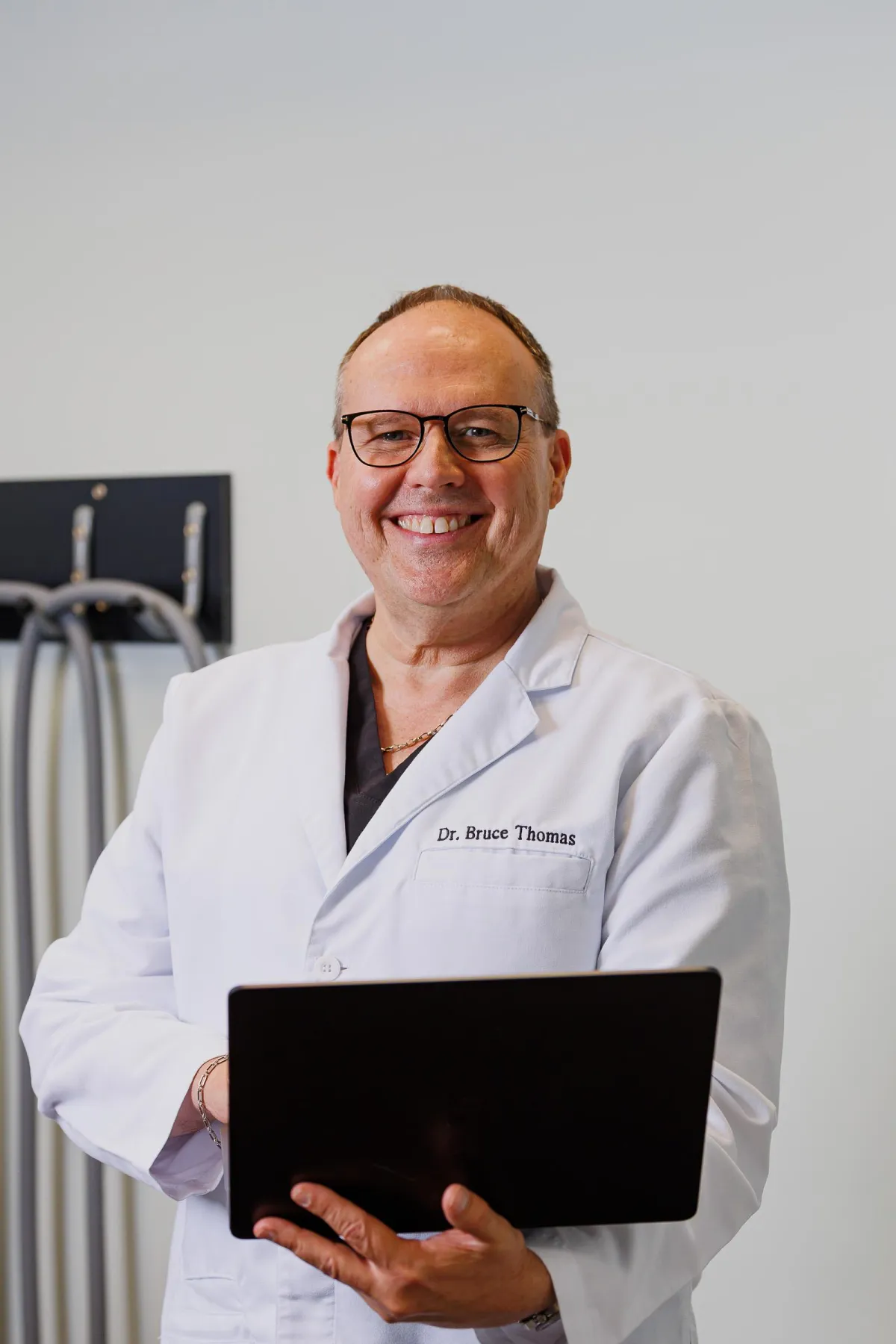
Start your transformation today!
Schedule your complimentary consultation with our friendly and knowledgeable team.