
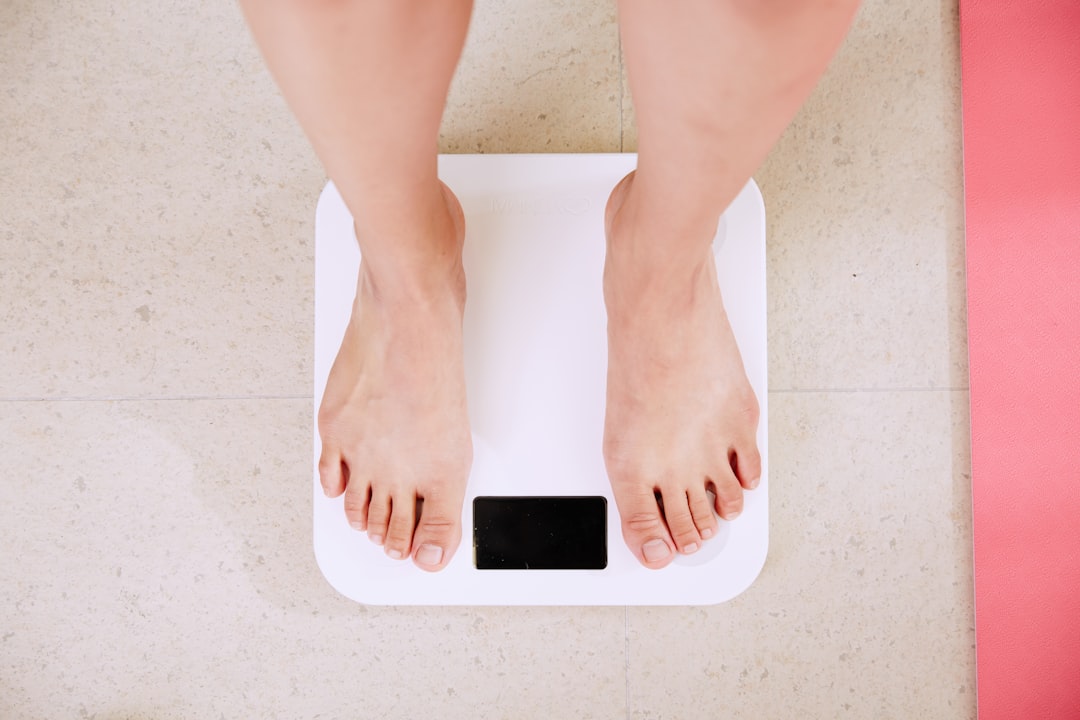
If you've been on semaglutide for a few months, you already know the feeling. The scale is moving. Your clothes fit differently. You're catching glimpses of a version of yourself you hadn't seen in years — and you want to make sure what you're building actually lasts.
That's exactly the conversation we have all the time here at Physician Artistry. Patients come in around the three-month mark — sometimes thrilled, sometimes a little unsettled — because the weight loss is real, but so are some of the side effects nobody warned them about. Skin that's lost some of its snap. A face that looks a little more drawn than expected. Energy that hasn't quite caught up with the number on the scale.
The good news is that none of that is permanent, and most of it is very addressable. When you combine a medically supervised GLP-1 program with the right aesthetic treatments, the results aren't just better-looking — they're more sustainable, more balanced, and honestly more satisfying.
What's Actually Happening at the Three-Month Mark
Three months on semaglutide is typically when patients start to see meaningful, visible change. Depending on your starting point and how your body responds, you may have lost anywhere from 10 to 25 pounds by this point — and that weight loss, while genuinely exciting, starts to raise a question a lot of people don't anticipate: what happens to my skin?
Fat doesn't just sit under your skin — it supports it. When subcutaneous fat decreases, particularly in the face and neck, skin that was once held in place can begin to look loose or deflated. The medical community has taken to calling this "Ozempic face," but the phenomenon applies to any significant weight loss, regardless of how it's achieved. Facial volume loss is real, and ignoring it tends to make people look older rather than healthier — even when their bodies are in the best shape they've been in years.
Collagen loss compounds the issue. GLP-1 medications work partly by reducing caloric intake, and when the body isn't getting enough protein and nutrients over time, collagen production can slow. The result is skin that loses some of its firmness and elasticity — especially in areas that were already showing early signs of aging.
None of this means semaglutide is a bad idea. Far from it. It means that a thoughtful treatment plan accounts for the whole picture — not just the number on the scale, but how you look and feel at every stage of the journey.
Which Weight Loss Injection Is the Safest — and Why That Question Matters More Than You Think
One of the most common questions we hear from new patients is some version of: which weight loss injection is the safest? It's a fair question, and it deserves a real answer rather than a marketing pitch.
Both semaglutide (the active ingredient in Ozempic and Wegovy) and tirzepatide (Mounjaro, Zepbound) have strong safety profiles when prescribed and monitored by a physician. The difference between a safe experience and a problematic one isn't usually which medication you choose — it's whether a qualified physician is actually overseeing your care.
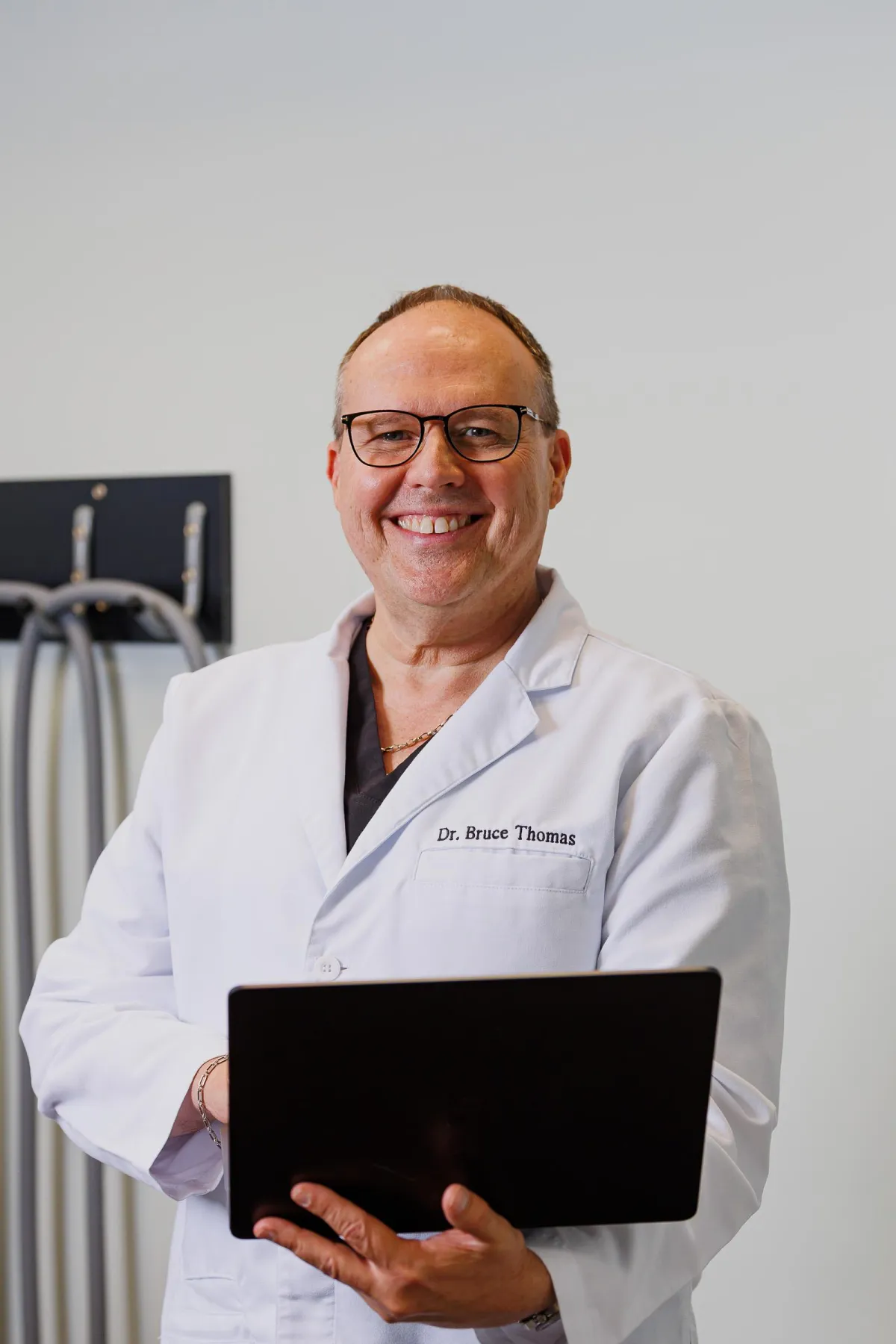
At Physician Artistry, Dr. Thomas personally reviews every GLP-1 patient's health history, monitors progress, and adjusts dosing based on how you're responding — not based on a protocol built for the average patient. That kind of individualized oversight is what makes the difference between losing weight and losing weight well. His patients consistently describe his approach as a "comprehensive and thoughtful" one where "health and long-term success" are always the priority.
The safety question also extends beyond the medication itself. Rapid weight loss, if not accompanied by proper nutrition guidance and appropriate supportive treatments, can accelerate muscle loss, nutrient depletion, and the skin changes described above. A physician-led program catches those things early — and a med spa component helps address the aesthetic side of the equation proactively.
The Med Spa Treatments That Pair Best With Semaglutide
This isn't about adding treatments for the sake of it. It's about being strategic — addressing what semaglutide actually changes in the body and meeting those changes with solutions that work.
Secret RF Microneedling for Skin Tightening
Secret RF Microneedling uses radiofrequency energy delivered through tiny needles to stimulate collagen and elastin deep within the skin. For patients losing weight on semaglutide, it's one of the most effective tools we have for addressing skin laxity — particularly in the face, neck, and body areas where fat loss tends to be most visible.
Starting a series of Secret RF treatments at the three-month mark — when weight loss is progressing but hasn't yet plateaued — gives the skin time to respond and tighten as your body continues to change. We've written at length about which med spa treatments actually help with semaglutide-related skin laxity, and RF microneedling consistently ranks at the top of that list.
Dermal Fillers to Restore Facial Volume
When the face loses volume during weight loss, strategic filler placement can restore structure and softness without looking overdone. The key word there is strategic. This isn't about filling everything — it's about understanding which areas have changed, how much, and what will look most natural given your current face shape and the continued trajectory of your weight loss.
Dermal fillers used thoughtfully during a semaglutide journey tend to produce results that patients describe as looking "enhanced without ever looking overdone." Dr. Thomas's approach to facial balancing with fillers is always conservative and always calibrated to where you are in your treatment, not where you were six months ago.
Biostimulators for Long-Term Collagen Support
For patients who want results that build over time rather than just filling in volume, biostimulators like Sculptra are an excellent complement to a semaglutide program. Rather than replacing lost volume immediately, they stimulate your own collagen production — so the improvement deepens over several months and tends to look incredibly natural.
If you're in the middle of a weight loss journey and want results that keep pace with your progress, biostimulators may actually be a smarter choice than traditional fillers at certain stages. We can help you figure out which approach makes sense for where you are.
Skincare Support: Protecting What You've Built
Semaglutide's effects on the skin aren't just structural — they can affect texture, hydration, and radiance too. Protecting your skin during weight loss means thinking about your daily routine, your sun protection habits, and which in-office treatments support barrier function and glow.
A HydraFacial series, for example, can help maintain hydration and skin clarity during a period when your body is under physical change. HydraFacials are gentle, effective, and easy to work into a regular rhythm alongside your GLP-1 treatment schedule.
How to Think About Timing
One of the questions patients ask most often is: when should I start adding treatments?
The honest answer is that it depends on your specific situation — but here's a general framework that works well for most patients.
Months one through two: Focus on your medication, your nutrition, and establishing your routine. Let your body adjust. This isn't the time to load up on aesthetic treatments.
Month three onward: This is typically when it makes sense to start a conversation about supportive treatments. You have a clearer sense of how your body is responding, where changes are showing up, and what you want to address. A skin tightening series, a filler consultation, or a biostimulator plan can all begin here with good results.
At goal weight or plateau: If you're approaching your target weight or have stabilized, this is a natural moment for a more comprehensive aesthetic review. Once the face and body have settled, more precise corrections — particularly with fillers — tend to last longer and look more refined.
The best version of this process is one where your weight loss physician and your aesthetic provider are in communication — or, ideally, the same person. That's one of the genuine advantages of getting your GLP-1 treatment through a practice like Physician Artistry: Dr. Thomas sees the whole picture, not just one part of it.
What Patients Who've Done This Say
The patients who tend to be happiest with their semaglutide journeys are the ones who treated it as a full-body reset — not just a way to lose weight, but an opportunity to invest in how they look and feel at the same time.
We hear things like: "I lost over 55 pounds in a healthy, sustainable way." And: "I feel like myself again — energized, healthy, and confident." Those results don't come from medication alone. They come from a plan that addresses every dimension of the change — and from a team that checks in along the way, not just at the start.
Dr. Thomas has been known to continue following up with patients long after major milestones. That kind of ongoing relationship is what makes it possible to catch the things that change over time — and to adjust the plan accordingly.
Ready to Talk About Your Plan?
Whether you're just starting to explore semaglutide or you're already a few months in and wondering what's next, we'd love to have a real conversation. Not a sales pitch — just an honest look at where you are, where you want to go, and what combination of treatments gives you the best path to get there.
Physician Artistry is located in Sterling, VA, and serves patients throughout Northern Virginia, the DC metro area, and Loudoun County. Dr. Thomas and his team bring over 30 years of clinical expertise to every consultation — and they'll treat you like a person, not a protocol.
Reach out to schedule your consultation. We'll take it from there.
Start your transformation today!
Schedule your complimentary consultation with our friendly and knowledgeable team.