

There's a concept quietly changing the way people in their 30s think about skincare, and it doesn't involve chasing wrinkles or panicking about crow's feet. It's called collagen banking — and if you've never heard the term, you're about to understand why it matters more than almost anything else you could be doing for your skin right now.
The idea is simple: your body makes its best collagen in your 20s and early 30s. Starting around your mid-30s, production begins to slow — gradually at first, then more noticeably as the years go on. Collagen banking means taking deliberate steps during your peak years to build up as much collagen as possible, so that when production naturally declines, you're starting from a stronger foundation. You're not reacting to aging. You're getting ahead of it.
Why Your 30s Are the Window That Actually Matters
Most people don't think about collagen until they notice something — a line that won't go away, skin that looks a little less firm, a photo that makes them pause. By then, the slowdown has already been happening for years. The 30s are the decade where the gap between "proactive" and "reactive" begins to open up.
Here's what's actually happening under the surface: collagen is the protein that gives your skin its structure, bounce, and thickness. It's what keeps your face looking full and smooth rather than hollow and creased. At its peak, your body replenishes it naturally. But after your mid-30s, that replenishment slows by roughly one percent per year — a small number that compounds significantly over time.
The patients who tend to be the happiest with their skin at 50 are often the ones who paid attention in their 30s. Not dramatically — no dramatic interventions, no chasing trends. Just consistent, smart investment in what their skin actually needs.
What Is Collagen Banking, Really?
Collagen banking isn't a single treatment. It's a strategy — and a mindset. It means choosing treatments and habits that actively stimulate your skin to produce more collagen, rather than waiting until you need to repair what's been lost.
Think of it the way you'd think about a financial account. You can't make large deposits later and expect to have the same result as someone who started contributing early. The earlier you build the reserve, the more you have to draw on when the natural decline accelerates. Skin biology works the same way.
In practice, collagen banking looks like a combination of things:
- Treatments that trigger collagen production — procedures that create controlled stimulation in the skin, prompting it to repair and regenerate
- Early preventative neurotoxin — softening the repeated muscle contractions that etch lines into skin before they become permanent
- Biostimulating injectables — products that work with your biology rather than just filling space
- Consistent skincare support — protecting and reinforcing what you're building in-office
None of these have to be aggressive. The best collagen banking approach in your 30s tends to be subtle, strategic, and cumulative.
When to Start Preventative Botox — and What It Has to Do With Collagen
This is one of the most common questions we hear at Physician Artistry, and it's worth answering honestly: there's no magic age. The real answer is that the right time to start preventative Botox is when you start noticing lines that linger after your face relaxes.
Dynamic lines — the kind caused by repeated movement — are your skin's way of showing you where collagen has thinned. When you smile and the lines disappear completely, your collagen is doing its job. When those same lines stay visible at rest, even faintly, that's a signal that the skin's ability to bounce back is starting to slow. That's when preventative neurotoxin starts to matter.
What most people don't realize is that Botox in your 30s isn't about looking frozen or overdone — it's about interrupting a pattern. Every time a muscle contracts fully and repeatedly, it's etching that movement into your skin. Softening that contraction early means those lines never fully deepen. You're preserving collagen, not just masking the loss of it.
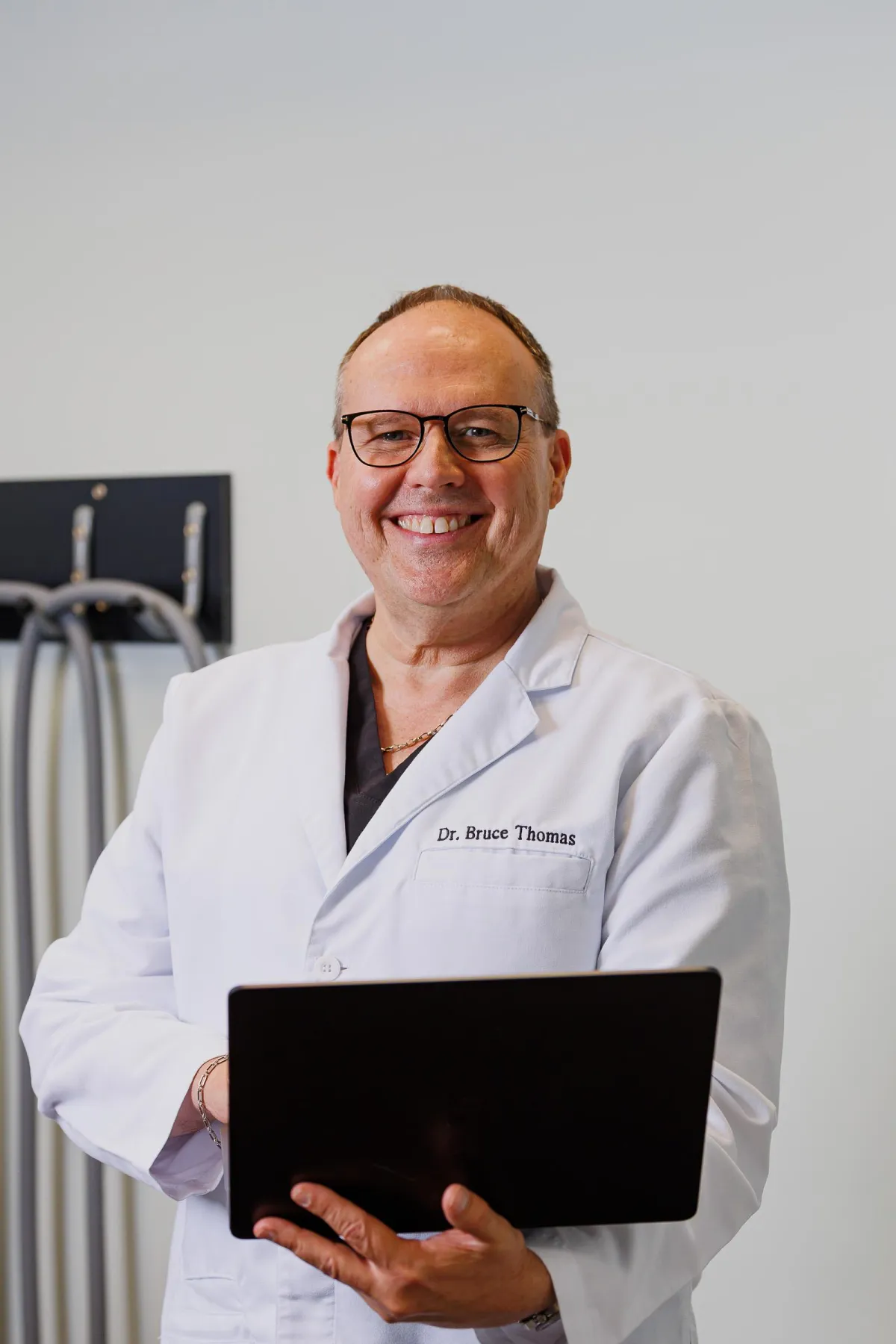
For many patients in their early-to-mid 30s, a conservative neurotoxin plan — treating the forehead, frown lines, and crow's feet once or twice a year — is all it takes to make a meaningful difference over time. If you're wondering whether you're already at that point, a conversation with Dr. Thomas is the best place to start. He's not going to recommend more than you actually need.
Curious about what a first appointment actually looks like? Here's what to expect.
Treatments That Actually Bank Collagen
Not all skincare is collagen banking. Moisturizers hydrate. Sunscreen protects. But true collagen banking requires stimulation — giving your skin a reason to produce new collagen, not just maintaining what's already there.
These are the treatments that do the real work:
Secret RF Microneedling
Secret RF Microneedling is one of the most effective collagen-stimulating treatments available right now — and one of the most well-suited to patients in their 30s. It combines the micro-injuries of traditional microneedling with radiofrequency energy delivered directly into the deeper layers of skin. The result is a dual signal to your body: repair the surface and rebuild the structure underneath.
In your 30s, when your collagen-producing cells are still active and responsive, treatments like Secret RF can prompt a significant collagen response. You're essentially creating a reserve while your skin is still primed to fill it. For patients who want to understand the full picture, this breakdown of whether RF microneedling is worth it covers the details well.
Biostimulating Injectables
Products like Sculptra and Radiesse work differently from traditional hyaluronic acid fillers. Rather than adding volume directly, they signal your skin to produce its own collagen over time. In your 30s, when you may not yet need significant volume replacement, these treatments can be used in small amounts strategically — not to fill, but to build.
The results from biostimulators are gradual and natural-looking, which makes them an excellent collagen banking tool. You're not changing your face; you're reinforcing it. Sculptra's month-by-month timeline gives a good sense of how this process unfolds.
PRP Treatments
Platelet-rich plasma therapy uses your own biology to stimulate repair and regeneration. When applied to the skin — whether through microneedling or injection — it delivers growth factors that accelerate collagen production. It's one of the most natural collagen banking tools available, and it pairs exceptionally well with other treatments. Combining PRP with microneedling tends to amplify results beyond what either treatment achieves alone.
Consistent Neurotoxin Maintenance
We've already touched on this, but it's worth repeating: staying consistent with neurotoxin in your 30s is collagen banking. Every appointment where you prevent a line from deepening is an appointment where you've preserved the collagen that would otherwise erode. The patients who keep up with their Botox schedules tend to need less over time — not more.
What Virginia Skincare in Your 30s Actually Looks Like
Here in the Northern Virginia and DC metro area, we see a lot of patients in their 30s who are high-achieving, time-efficient, and thoughtful about where they invest. They're not looking for a dramatic transformation — they want to take care of themselves intelligently, without overdoing it.
That's exactly the kind of patient collagen banking was made for.
A practical Virginia skincare plan for someone in their 30s at Physician Artistry might look something like this:
- Two neurotoxin sessions per year — targeting areas of active movement before lines become permanent
- One to two Secret RF Microneedling sessions per year — for deep collagen stimulation and skin quality improvement
- Annual or biannual biostimulator session — Sculptra or Radiesse depending on your goals and facial structure
- Home skincare support — primarily sunscreen and a retinoid, which remain the two most evidence-backed topical interventions for collagen preservation
That's a four-to-five treatment plan across a full year. Not aggressive. Not time-consuming. But remarkably effective when maintained consistently.
If you're thinking about building something more comprehensive, this guide to building a personalized treatment plan is a good starting point. And if you're specifically wondering whether your 30s are the right time to start, this overview of the best treatments for this decade speaks directly to where you are right now.
The Honest Truth About Starting Early
One thing Dr. Thomas is direct about with patients: starting earlier doesn't mean starting aggressively. It means starting intentionally. The goal of collagen banking in your 30s isn't to look like you've had work done — it's to reach your 40s and 50s looking like yourself, just well-rested and healthy.
The patients who come in at 45 or 50 wishing they'd started a decade earlier aren't people who did nothing. They're often people who did the right things — sunscreen, retinol, reasonable skincare — but skipped the in-office collagen stimulation that makes the most meaningful difference over time. The topical work maintains. The in-office work builds.
You don't have to choose between looking natural and looking great. With the right plan, those two things are the same.
Ready to Start Building?
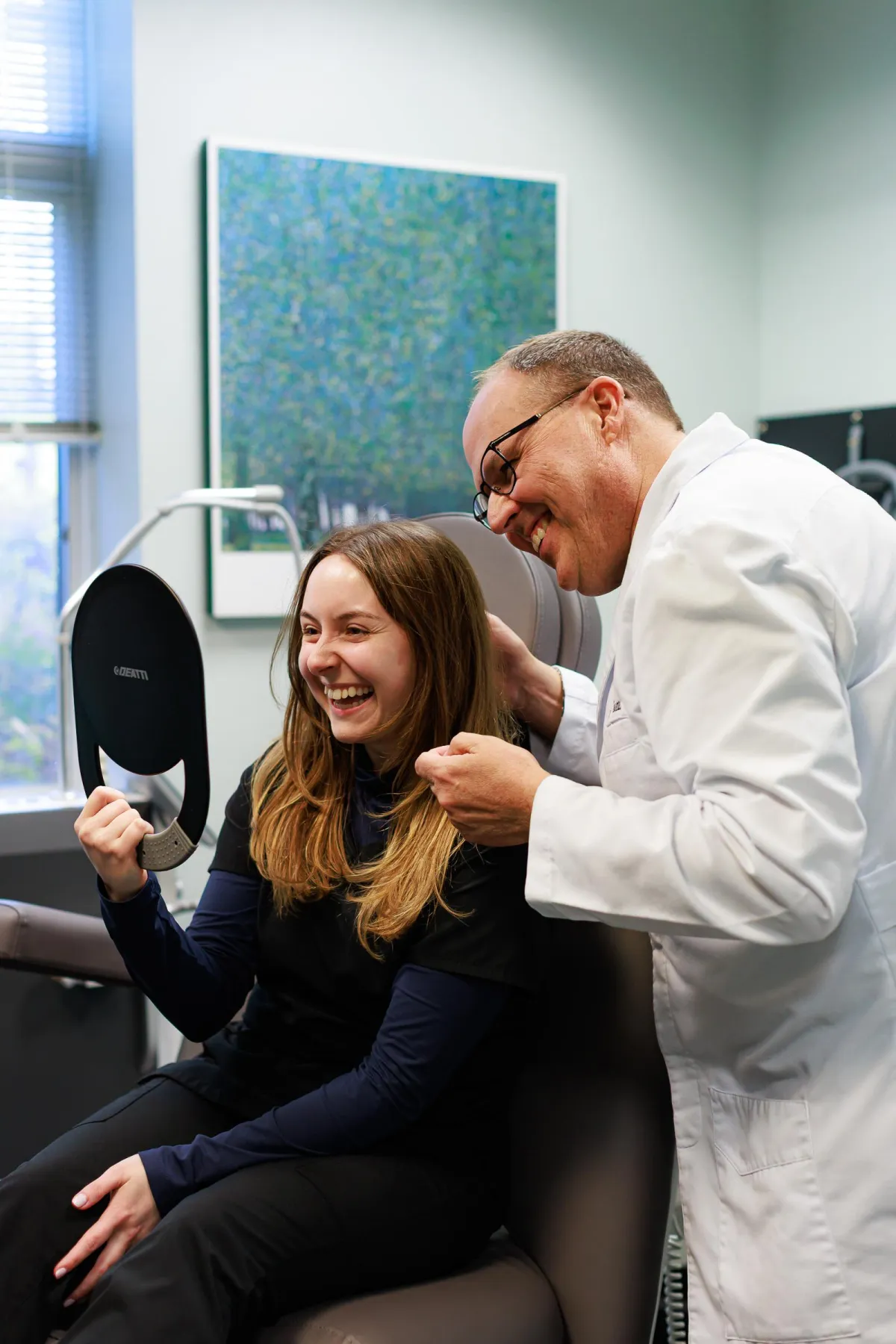
Physician Artistry is a physician-owned practice in Sterling, VA, serving patients across Northern Virginia, Loudoun County, and the broader DC metro area. Dr. Thomas personally oversees every treatment plan — not a sales consultation, not a one-size-fits-all protocol. A real conversation about what your skin needs and what will actually serve you long-term.
If you're in your 30s and thinking about getting ahead of the curve, this is exactly the kind of conversation we have every day. We'd love to have it with you.
Start your transformation today!
Schedule your complimentary consultation with our friendly and knowledgeable team.