
There's a quiet shift happening in aesthetic medicine, and if you've been paying attention, you've probably noticed it. Patients who used to come in every six months for filler touch-ups are asking different questions now. Instead of "how much do I need to fill this in?" they're asking, "what can we do that actually lasts?" That question has a very good answer — and it starts with understanding what biostimulators are and why so many thoughtful, informed patients are choosing them over traditional fillers.
What's the Difference Between a Filler and a Biostimulator?
Traditional dermal fillers — like hyaluronic acid products — work by physically adding volume to a specific area. They fill in a hollow, plump a crease, or restore shape to a thinning lip. The results are immediate and visible, which is genuinely appealing. But when the filler dissolves — typically over 6 to 18 months depending on the product and the area — you're back where you started, unless you come in for more.
A biostimulator, also called a collagen stimulator, works differently. Instead of adding a foreign substance to create volume, it signals your own body to produce more collagen — the structural protein responsible for firm, elastic, youthful-looking skin. The result isn't an instant transformation you walk out with the same afternoon. It's a gradual, natural-looking improvement that builds over weeks and months, because what's improving is your own tissue.
That distinction matters more than most people realize when they're first exploring their options.
Why Collagen Stimulators Are Gaining Ground
The rise of biostimulators isn't a trend driven by marketing. It's driven by patients and physicians both noticing something real: filler alone doesn't address the underlying reason faces change with age.
Volume loss is part of the story, yes. But the deeper driver is collagen loss — and that starts earlier than most people expect. By your mid-30s, collagen production begins declining measurably. By your 40s and 50s, that loss becomes visible not just as hollows, but as overall skin laxity, reduced elasticity, and a general softening of the structural scaffolding that once held everything in place. If you'd like to understand more about what's actually happening under the surface, our post on collagen loss after 40 and how to rebuild it goes deeper into the biology.
Fillers can compensate for volume loss. Collagen stimulators can actually begin to reverse the underlying cause. For many patients — especially those in their 40s, 50s, and 60s — that's a more meaningful goal.
The Most Common Collagen Stimulators You'll Hear About
Two biostimulators tend to come up most often in conversations with patients: Sculptra and Radiesse. They work through different mechanisms, have different ideal use cases, and suit different patient goals — which is exactly why the choice between them deserves a real conversation, not a one-size-fits-all recommendation. We've put together a detailed comparison of Sculptra vs. Radiesse for aging skin if you want to go deeper on how they differ. And if you're specifically curious about Sculptra's mechanism and how it compares to more traditional volume-adding options, this overview of Sculptra vs. dermal fillers is a good place to start.
The short version: Sculptra uses poly-L-lactic acid to gradually stimulate collagen over a series of treatments, with results that can last two years or more. Radiesse uses calcium hydroxylapatite microspheres to both provide immediate structure and stimulate collagen production over time. Both are tools — and the right one depends on your anatomy, your goals, and your timeline.
Who Is a Good Candidate for a Biostimulator?
Not everyone needs to abandon fillers entirely. Biostimulators aren't a replacement in every situation — they're an upgrade for the right patient at the right stage.
You might be a strong candidate for a collagen stimulator if:
- You've been getting filler regularly and feel like you need more and more to maintain the same result
- You're noticing overall skin laxity or texture changes, not just isolated hollows
- You want results that look and feel like your own face — not filled
- You're willing to wait a few months for gradual improvement rather than walking out with an immediate transformation
- You're thinking long-term and want something that addresses the underlying collagen framework, not just the surface appearance
Patients dealing with filler fatigue — that sense that filler has stopped looking natural or that they've accumulated more product than they're comfortable with — often find that transitioning to a collagen stimulator is exactly the reset they were looking for. Similarly, patients exploring fillers after 60 may find that biostimulators offer a more structurally appropriate solution for the kind of changes happening in mature skin.
What the Treatment Experience Actually Looks Like
One of the reasons some patients hesitate about biostimulators is the expectation-setting around timing. If you're used to walking out of a filler appointment and seeing immediate results, the biostimulator timeline feels different — and it's worth being honest about that upfront.
With most collagen stimulators, you'll typically have a series of treatments spaced a few weeks apart. Results begin to appear gradually over two to three months as your body responds and produces new collagen. The improvements look natural because they are natural — your skin is doing the work.
The tradeoff is that the results tend to last significantly longer. Sculptra, for example, can maintain improvements for two-plus years. For patients who are tired of the revolving door of filler appointments, that kind of durability is genuinely appealing.
Can You Use Biostimulators and Fillers Together?
Absolutely — and often, a thoughtful combination is the most effective approach. Collagen stimulators address the structural, long-term foundation. Fillers can still be useful for precise, immediate volume in specific areas like the lips or under-eyes. Many patients use biostimulators as their primary treatment and reduce (rather than eliminate) their filler use over time.
This kind of layered, personalized approach is exactly what we focus on when building a treatment plan together. You can read more about how combining treatments strategically tends to produce the most natural, lasting outcomes in our post on med spa treatment combinations that work well together.
The Physician Artistry Approach to Biostimulators
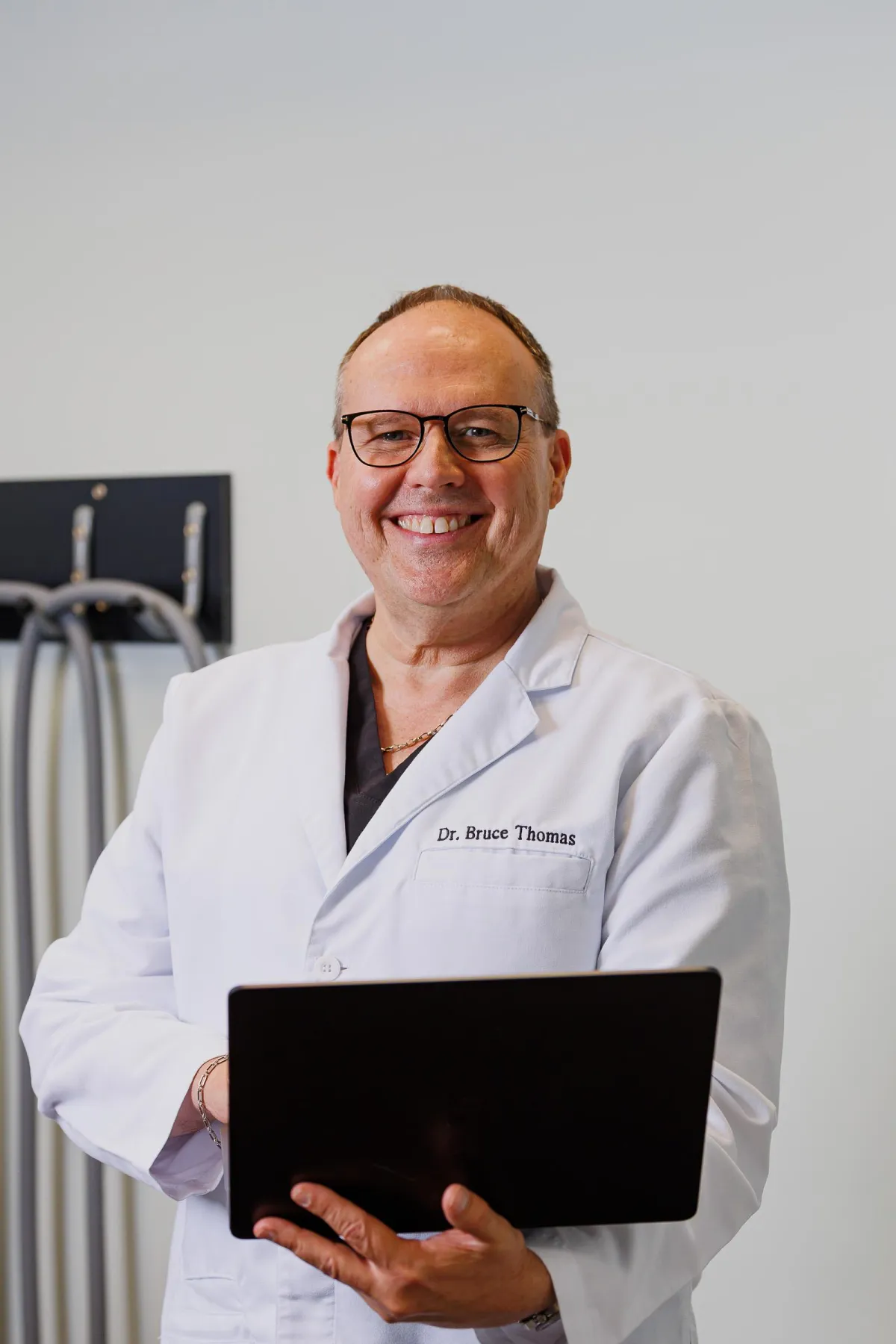
At Physician Artistry, we don't have a one-size-fits-all protocol for biostimulators — because no two faces are alike, and no two patients have the same goals. Dr. Thomas personally evaluates every patient before recommending any treatment, and that includes taking the time to understand what you've done before, what's working, what isn't, and what you're actually hoping to achieve.
For patients who've been on the filler treadmill for years and feel like something needs to change, that conversation alone can be clarifying. Sometimes the answer is a biostimulator. Sometimes it's a combination approach. Sometimes it's addressing collagen loss with something like Secret RF Microneedling alongside a collagen stimulator. The goal is always a result that looks like you — just more rested, more lifted, more like you remember yourself looking — not like you've had work done.
If you're curious whether a biostimulator might be the right next step for your skin, we'd love to have that conversation with you. Reach out to schedule a consultation at our Sterling, VA office, and we'll take it from there — together.
Start your transformation today!
Schedule your complimentary consultation with our friendly and knowledgeable team.