

You've been using retinol faithfully. Maybe for years. You apply it at night, you're careful about sunscreen in the morning, and you've done everything the beauty editors told you to do. So why does your skin still look like something shifted — duller, thinner, less like you — somewhere around your mid-40s?
You're not imagining it. And you're not doing retinol wrong.
The truth is, what retinol can and can't do for your skin changes meaningfully in your 40s. It's still a valuable ingredient. But it's no longer the whole answer — and understanding why makes all the difference.
What Retinol Actually Does (and Why It Works)
Retinol is a vitamin A derivative that works by signaling your skin cells to turn over faster and stimulating collagen production in the deeper layers of the skin. Decades of clinical research back it up. It genuinely reduces fine lines, improves texture, fades some pigmentation, and helps keep pores clear. For your 20s and early 30s, it's close to a gold standard. Your skin's natural collagen production is still reasonably healthy, and retinol gives it a meaningful nudge in the right direction. But here's what changes in your 40s.What Happens to Your Skin in Your 40s
Starting in your 40s — and accelerating significantly for women during perimenopause and menopause — several things happen at once: Collagen production drops sharply. You lose roughly 1% of your collagen every year after 30, but estrogen decline in your 40s accelerates that loss significantly. Skin doesn't just wrinkle — it loses structural density and begins to sag and thin. Cell turnover slows. Retinol works partly by speeding up this process, but if the underlying cells are less vigorous, the ingredient has less to work with. Hydration retention decreases. Hyaluronic acid production in the skin drops with age and hormonal shifts, leaving skin drier and less plump at the cellular level. Skin becomes more reactive. Many people who tolerated retinol well in their 30s find it more irritating in their 40s — the skin barrier weakens, and the sensitivity increases. None of this means retinol stops working. It means retinol is now doing what it can — which is real, but limited — against a set of changes that have outpaced what a topical product can address on its own.The Best Retinol Body Lotion for Aging Skin: Is That the Right Question?
If you're searching for the best retinol body lotion for aging skin, you're thinking in the right direction. Retinol isn't just for your face — the skin on your arms, décolletage, and hands ages too, and topical retinoids can genuinely help with texture, crepiness, and early pigmentation on the body. For body use, look for formulations with a concentration of 0.1% to 0.3% retinol, paired with hydrating ingredients like ceramides or hyaluronic acid. The skin on your body is more forgiving than your face but also larger and drier, so pairing retinol with a rich moisturizer matters. Apply to clean, slightly damp skin, and always use SPF on any retinol-treated areas during the day. That said — even the best retinol body lotion for aging skin won't rebuild collagen in a meaningful structural way. It helps maintain and modestly improve. For real reversal of texture loss and skin thinning on the body, you're looking at in-office treatments.Where Retinol Reaches Its Ceiling
Think of retinol as a maintenance tool — genuinely valuable, but working at the surface level. It can't:- Replace the collagen you've already lost
- Restore volume to areas that have hollowed
- Tighten skin that has lost its underlying structure
- Correct deeper wrinkles that have formed over years
What Actually Works for Aging Skin in Your 40s
The patients we see at Physician Artistry in their 40s often come in frustrated because they've been diligent. They've used the products, followed the routines, invested in quality skincare. They're not looking for a lecture on SPF. They're looking for real answers. Here's what we talk about. Secret RF Microneedling This is one of the most effective treatments for aging skin in your 40s, and it works on a level that retinol simply can't touch. Secret RF Microneedling combines controlled micro-injuries with radiofrequency energy to stimulate deep collagen remodeling — not just surface turnover, but genuine structural rebuilding in the dermis. Patients consistently notice tighter, smoother, more resilient skin after a series of treatments, and results continue to improve for months. If you want to understand how the results compare to other approaches, our breakdown of combining PRP and microneedling is worth reading alongside this. Collagen Stimulators Injectable treatments like Sculptra work differently from traditional fillers — instead of adding volume directly, they stimulate your own collagen production over time. For someone in their 40s experiencing the early stages of facial volume loss, this approach can turn back the clock in a way that's gradual and natural-looking. Our guide to Sculptra results over months one through six gives you a clear picture of what to expect. We've also written about how collagen-boosting approaches continue to work in your 50s — useful context if you're planning ahead. Dermal Fillers — Used Strategically Your 40s are a decade where subtle volume loss begins shifting your facial contours — cheeks flatten slightly, the midface softens, and hollows appear where there weren't any before. Used well, dermal fillers restore that structure without looking overdone. Our patients consistently describe results that "enhanced features without ever looking overdone" — and that's the goal. If you're wondering how your age changes the approach to filler, our piece on filler in your 40s vs. 50s is a helpful read. Neurotoxins Botox and its alternatives remain highly effective in your 40s for dynamic wrinkles — the lines caused by muscle movement at the forehead, crow's feet, and brow area. If you've been curious about which option might be right for you, we've compared Daxxify vs. Botox in detail. And if you're newer to neurotoxins, our guide on getting natural-looking Botox results addresses the most common concern we hear. Hormonal Skin Changes This one often gets overlooked in conversations about skincare, but it's significant. The skin changes you're experiencing in your 40s may not just be about aging — they may be closely tied to shifting hormone levels. We've written about how to treat hormonal skin changes in your 40s and 50s, and it's one of the conversations Dr. Thomas has regularly with patients who are frustrated that their skincare routine stopped working despite nothing else changing.Retinol + Med Spa Treatments: A Better Strategy
The question isn't really "does retinol still work?" — it's "is retinol enough?" The answer in your 40s is usually no, but that doesn't mean you should stop using it. The most effective approach we see is layered: keep using a quality retinol as part of your daily routine, and let in-office treatments do the structural work that topicals can't. They complement each other well. Retinol supports cell turnover and surface quality. Treatments like RF microneedling, collagen stimulators, and strategic filler address what's happening beneath the surface. If you want a fuller picture of how to build that kind of layered approach, our guide to building a personalized med spa treatment plan is a good starting point. And for those who want to understand how skincare and injectables work together at the timing level, we've covered whether the order of combining skincare and injectables actually matters.What to Do Next
If you're in your 40s and starting to feel like your skincare routine has hit a ceiling, you're probably right. That's not a failure of effort — it's a biology problem. And biology problems have clinical solutions. At Physician Artistry, Dr. Thomas personally reviews every treatment plan. He's not going to hand you a product list or push a package. He's going to look at your skin, understand your goals, and tell you honestly what will make the biggest difference — and what isn't worth your time or money. If you're in Sterling, VA or the broader Northern Virginia area and want a real conversation about what's happening with your skin and what can actually help, we'd love to hear from you. Reach out to us here — we'll take it from there.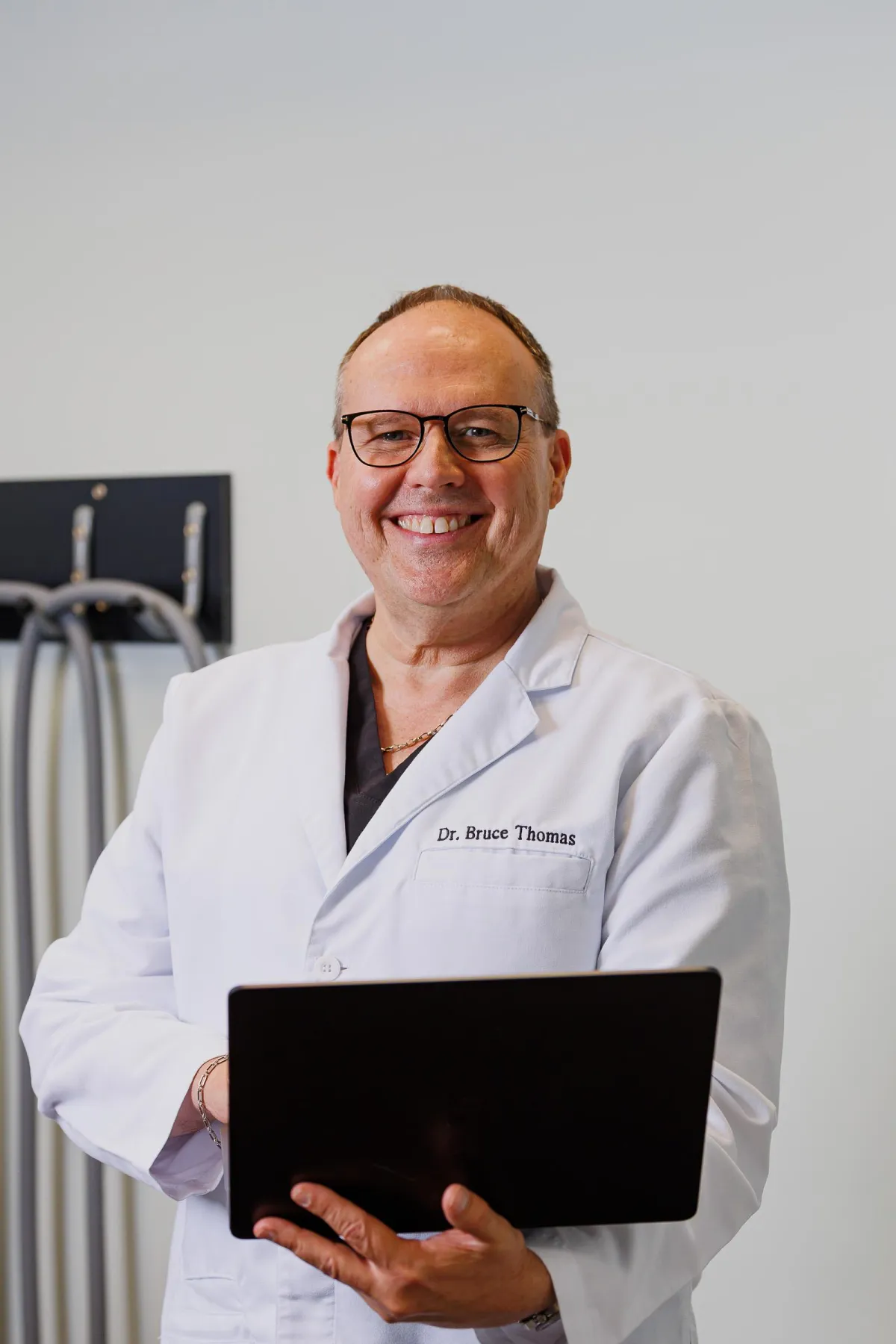
Start your transformation today!
Schedule your complimentary consultation with our friendly and knowledgeable team.