
Somewhere around 45, a lot of our patients tell us the same thing: "I haven't gained weight, but my face looks different." They're not imagining it. What's happening isn't about weight at all — it's about where your body chooses to keep fat, and where it chooses to let it go. This is the heart of midface volume loss, and understanding it is the first step toward actually fixing it.
Your Face Isn't Aging the Way You Think It Is
Most people assume facial aging is primarily about skin — fine lines, sagging, loss of elasticity. Skin plays a role, but the bigger story is structural. Underneath your skin, your face has distinct fat compartments: pockets that sit in the cheeks, temples, and under the eyes, each behaving independently as you age. After 45, many of these compartments begin to shrink or shift downward, while fat elsewhere on the body — particularly around the midsection — tends to redistribute and accumulate.
The result is a face that looks "tired" or "hollow" even when you're well-rested and healthy, paired with a body that may be holding onto fat in new places. It's a frustrating mismatch, and it's almost entirely driven by changes in fat distribution and collagen decline after 40, not by anything you're doing wrong.
Why the Midface Takes the Hit First
The midface — your cheeks, the area just beside your nose, and the upper part of your cheekbones — is one of the earliest and most noticeable areas affected by this shift. As the deep fat pads here lose volume, the structural support that once held your skin up and out begins to disappear. Skin that used to rest on a firm foundation now has nowhere to go but down, which is why so many patients notice nasolabial folds deepening, cheeks flattening, or a subtle "deflated" look appearing seemingly overnight.
This is also why midface volume loss often shows up differently depending on your starting anatomy, your hormone levels, and even recent weight changes. Patients who've gone through significant weight loss, including those using GLP-1 medications, frequently see this process accelerate — something we talk through in detail in this guide to facial fillers after weight loss and in our piece on "Ozempic face" and how filler helps restore it.
Midface Volume Loss Filler: What It Actually Does
This is where midface volume loss filler earns its reputation as one of the most transformative, least invasive treatments we offer. Rather than simply filling a wrinkle, filler placed strategically in the cheeks and midface rebuilds the structural support your face has lost. Done well, it doesn't add bulk or change who you look like — it restores the quiet architecture that was always there, so the rest of your face has something to rest on again.
We hear this from patients constantly: the goal was never to look "done," just to look like themselves again, before the hollowing set in. That's precisely the outcome good midface filler is designed to deliver — subtle, structural, and completely natural. You can read more about how we approach this specific area in our guide to cheek fillers for midface volume loss.
For patients who prefer a more gradual, collagen-stimulating approach rather than immediate volume, biostimulators like Sculptra can achieve similar structural support over time. We cover the differences in Sculptra vs. traditional dermal fillers and in our breakdown of biostimulator timing and results, so you can decide which path fits your goals and your timeline.
How to Prevent Volume Loss in the Face Before It Starts
While we can't stop the clock entirely, there's real evidence that early, proactive care changes how dramatically this process shows up later. A few things genuinely help:
Support your skin's collagen production early. Collagen banking in your 30s and early 40s — through treatments like microneedling, peptides, or periodic biostimulator sessions — gives your skin more resilience when fat loss begins.
Protect the fat you have. Chronic stress and cortisol elevation accelerate facial fat breakdown. If you're curious how this connects, our article on stress hormones and skin damage explains the biology in plain terms.
Address hormone shifts directly. Estrogen and testosterone decline both influence skin thickness and fat retention. Many patients find that correcting these imbalances — not just treating the surface symptoms — makes a visible difference, something we explore in this piece on estrogen decline and skin aging.
Don't wait for dramatic hollowing to act. Smaller, earlier interventions tend to look more natural and require less correction than waiting until volume loss is significant. If you're already noticing changes, it's worth exploring how filler needs differ in your 40s versus 50s, since the right approach genuinely shifts with age and anatomy.
You're Not Imagining It — and You're Not Stuck With It
If you've looked in the mirror lately and felt like your face doesn't quite match how you feel inside, that disconnect is real, and it has a clear physiological explanation. Fat distribution after 45 genuinely changes — it's not a failure of skincare or willpower. The good news is that this is one of the most reliably correctable parts of facial aging. With a thoughtful, personalized filler plan, most patients see their features look balanced and rested again, without ever looking "overdone."
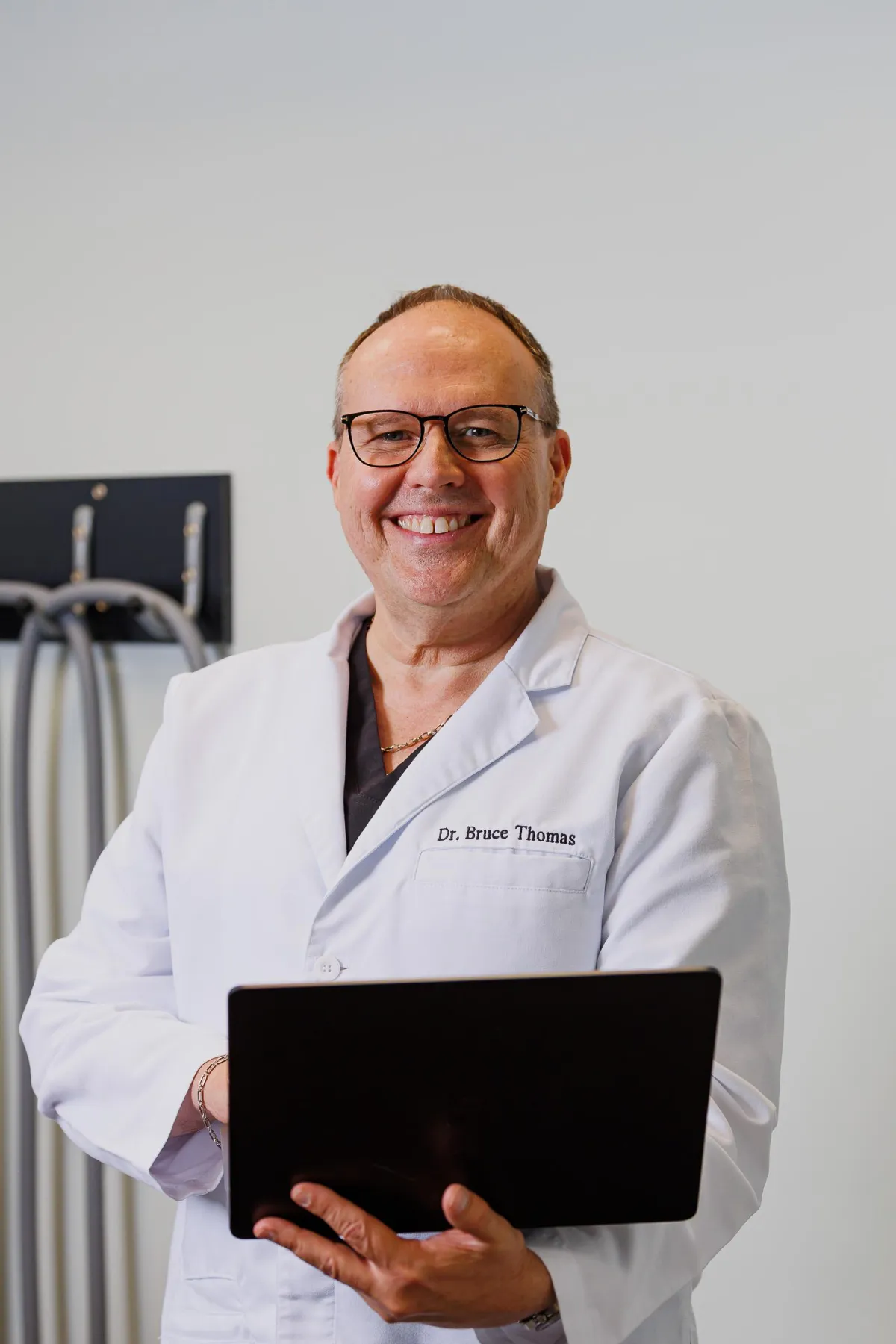
Dr. Thomas personally evaluates every patient's facial structure before recommending a plan, because midface volume loss never looks quite the same on two different faces. If you're curious whether filler, biostimulators, or a combination approach makes the most sense for you, our dermal filler consultations start with an honest conversation, not a sales pitch — because at Physician Artistry, you're not a transaction. You're someone we're genuinely invested in helping feel like yourself again.
Start your transformation today!
Schedule your complimentary consultation with our friendly and knowledgeable team.